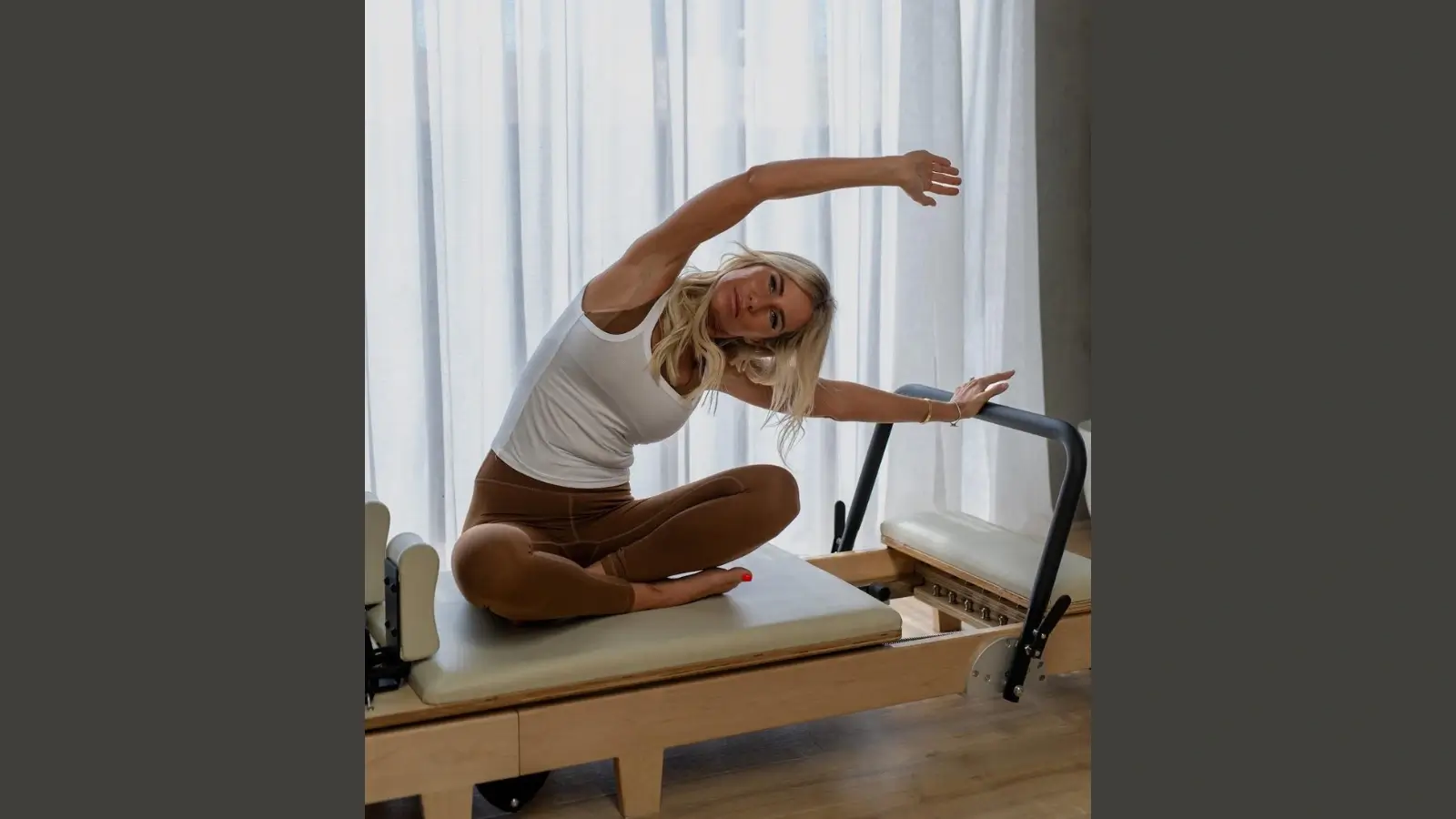
You’ve probably noticed how fitness isn’t just about gyms anymore. More people are choosing to exercise at home, not only for convenience but also for the sense of control it brings over their health. Instead of squeezing workouts into an already packed day, you can shape them around your own life. With the right setup, such as a reformer machine, at-home fitness has evolved from a backup plan into a genuine lifestyle upgrade.
This shift is about more than skipping the commute or avoiding crowded studios. It reflects a deeper change in how you view your body, time, and well-being. With digital platforms, versatile equipment, and flexible routines, working out at home is no longer second best—it’s often the first choice.
The Rise of At-Home Fitness Culture
You’re living in a time when wellness is woven into everyday life. Instead of treating workouts as a separate, demanding task, many people now see movement as part of their daily rhythm. The cultural shift has been accelerated by technology and the changing pace of modern life.
Streaming classes, on-demand workout apps, and online communities allow you to engage with trainers and peers without stepping outside your front door. What used to be a solitary experience now feels connected and engaging. This shift has helped fitness blend seamlessly into modern living, making it feel more personal and sustainable.
Why Convenience Is Redefining Modern Workouts
You no longer need to spend an hour commuting or reshuffling your entire day just to make it to a class. Convenience is the cornerstone of the at-home workout movement. Whether it’s a quick yoga flow before work or a Pilates session after dinner, fitness fits neatly into your schedule.
This level of flexibility also makes it easier to maintain consistency. Instead of missing workouts due to external factors—traffic, late meetings, or studio cancellations—you can create a routine that works for you. Convenience isn’t just about saving time; it’s about removing barriers that used to hold you back.
How Digital Platforms Make Fitness More Accessible
With digital platforms, expertise that was once limited to studio memberships is now just a tap away. You can stream guided classes, follow tailored workout plans, or even join live sessions with professional trainers.
These platforms provide variety, which helps keep motivation high. If you prefer strength training one day and Pilates the next, you can switch with ease. Accessibility also extends to cost. Instead of paying for multiple memberships or specialised classes, you gain access to diverse content from a single subscription.
For those who enjoy structure, digital tools also track progress, helping you stay accountable without needing to rely on external check-ins. Fitness becomes approachable and motivating because it’s shaped around your goals rather than a studio’s schedule.
The Shift From Quick Fixes to Long-Term Wellness
You may have noticed how trends in fitness used to focus on instant results. Quick fixes and short-term programs often left people feeling burnt out or disappointed. The modern shift toward at-home workouts has encouraged a more holistic approach.
Instead of obsessing over calorie counts or dramatic transformations, today’s focus is on building sustainable routines. Home-based fitness allows you to progress gradually, making it easier to establish habits that last. The emphasis is on consistency and well-being, not extremes.
This shift reflects a broader cultural movement toward health as a lifestyle. It’s not about rushing to an end goal—it’s about enjoying the process and nurturing your physical and mental health over time.
Why People Are Investing in Home Fitness Equipment
You’re seeing more households investing in equipment that goes beyond basic yoga mats or resistance bands. From compact dumbbells to full-scale reformers, the focus is on creating a home setup that mirrors studio-level quality.
People recognise that investing in the right tools makes workouts more effective and enjoyable. For example, adding a Pilates reformer to your home gym expands your range of exercises and ensures you’re challenging your body in new ways. Core Collab offers reformers that combine sleek design with durability, making them ideal for long-term use.
The willingness to spend on equipment also reflects how seriously people now take their at-home fitness routines. It’s not a temporary solution—it’s an investment in well-being.
How At-Home Workouts Save Both Time and Energy
Think about the hours you spend preparing, commuting, and waiting for classes to start. At-home workouts eliminate all those extra steps. You can go from your desk to your mat in minutes, cutting down wasted time and energy.
This efficiency doesn’t mean compromising on quality. With the right equipment and digital guidance, you can achieve workouts that are as challenging and effective as any studio class. The energy you save can then be redirected into your performance or other parts of your life.
Time efficiency also makes it easier to integrate workouts into busy schedules. Instead of carving out large blocks of time, you can fit shorter, more frequent sessions into your day, which often leads to better long-term results.
Why Flexibility Matters in Building Healthy Routines
Life doesn’t always run on a predictable schedule, and your workouts shouldn’t have to either. Flexibility is a key advantage of at-home fitness. If something comes up, you can adjust your routine without the stress of cancelling classes or losing money.
This adaptability helps you stay consistent over time. Rather than viewing fitness as an obligation, it becomes a natural extension of your lifestyle. You can modify sessions to match your energy levels, swap workout styles depending on your mood, and still keep moving toward your goals.
Flexibility also supports mental health. Instead of feeling pressured to stick to rigid routines, you gain the freedom to create a balanced approach that prioritises both your body and your mind. Even sprinkling in “movement snacks” throughout the day—five squats before walking the dog, a stretch while waiting for the kettle to boil, or a walk while taking a phone call—can shift your energy. These micro-moments remind your body to release tension and your mind to stay adaptable.
Business Outstanders brings you sharp insights on tech, business, entrepreneurship, law, crypto, and more. We uncover what’s next. Stay updated, sign up for our newsletter and be part of the future!