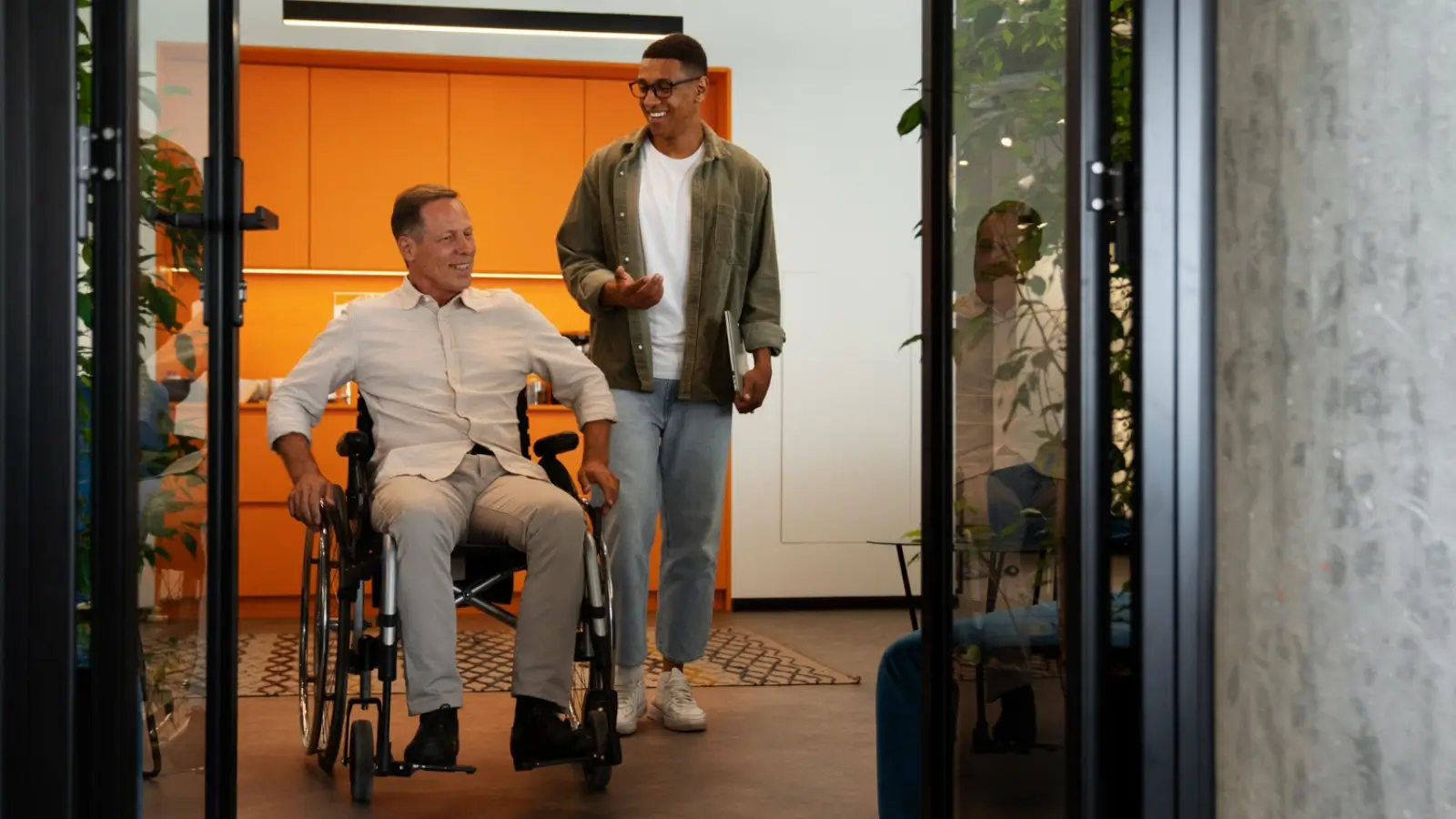
Providing high-quality care for individuals with limited mobility requires a combination of empathy, skill, and the right tools. Every day, caregivers face the challenge of helping patients perform daily activities safely while preserving dignity and comfort. Manual lifting and handling can be physically taxing for caregivers and potentially risky for patients. Over time, repeated strain can result in injuries for both parties, making the adoption of modern care solutions a necessity.
In recent years, healthcare and caregiving environments have increasingly relied on innovative tools designed to improve safety, efficiency, and patient experience. These devices enable caregivers to perform transfers, repositioning, and mobility tasks with reduced effort while maintaining a high standard of care. Among the most impactful of these innovations are support lift devices, which are designed to facilitate safe movement and enhance patient comfort during everyday activities.
Understanding the Challenges of Patient Care
Caring for patients with mobility limitations presents numerous physical and emotional challenges. Patients may require assistance with transfers from bed to chair, standing support, or even simple repositioning. Without proper equipment, these tasks can be dangerous for both the patient and caregiver.
Caregivers often experience back pain, muscle strain, and fatigue due to repetitive lifting, bending, and twisting. Patients, on the other hand, are at risk of falls, skin injuries, and discomfort if transfers are not executed carefully. These challenges highlight the critical need for proper tools, training, and protocols to ensure a safe and comfortable care environment.
The Importance of Comfort and Dignity
Maintaining patient dignity is a central aspect of modern caregiving. Mobility limitations can be emotionally challenging, and patients may feel vulnerable during transfers and repositioning. Ensuring that care is delivered respectfully and comfortably helps build trust and reduces anxiety.
Modern lifting solutions, including slings and ergonomic lifting mechanisms, allow patients to experience smoother and more controlled movements. By minimizing discomfort and sudden movements, these devices help patients maintain a sense of independence, even when physical assistance is necessary. This focus on dignity is essential for both emotional well-being and overall care quality.
Reducing Physical Strain for Caregivers
Physical strain is one of the most pressing challenges in patient care. Repeated manual lifting without support can lead to long-term injuries for caregivers, including chronic back pain and musculoskeletal disorders. These injuries not only affect caregivers’ health but can also impact patient care quality.
Integrating specialized equipment into daily routines can significantly reduce these risks. With the right tools, transfers that previously required multiple caregivers can often be performed safely by a single trained professional. This increased efficiency allows caregivers to focus more on patient interaction, providing not just physical support but emotional and psychological reassurance as well.
Promoting Independence and Engagement
Patient care is not solely about performing transfers safely it is also about encouraging active participation. Modern mobility devices help patients engage in their own movement, fostering a sense of independence and confidence.
Assistive tools allow patients to perform tasks such as standing, weight-bearing exercises, or gradual transfers with support. Over time, regular and assisted movement can maintain or improve muscle tone, circulation, and flexibility. Rehabilitation programs greatly benefit from these tools, as they provide a safe environment for patients to regain functional mobility.
Incorporating support lift devices in daily care routines allows patients to transition smoothly between positions, supporting mobility while encouraging participation. This balance between safety and engagement enhances both physical and emotional health outcomes.
Types of Patient Handling Solutions
A variety of devices exist to meet the diverse needs of patients and caregivers. Choosing the appropriate solution depends on the patient’s mobility level, medical condition, and care setting. Some commonly used devices include:
-
Ceiling lifts: Provide continuous support along fixed tracks for safe transfers.
-
Mobile floor lifts: Flexible and portable, suitable for multiple locations.
-
Sit-to-stand aids: Support partial weight-bearing patients in standing and movement.
-
Repositioning aids: Sliding sheets and ergonomic slings that reduce manual effort.
-
Transfer boards: Facilitate lateral movement between surfaces with minimal physical strain.
Each of these tools is designed to reduce risk, improve patient comfort, and streamline caregiver workflow. By selecting the right combination of devices, caregivers can address individual needs while maintaining safety and efficiency.
Training and Best Practices
Even with advanced equipment, proper training is crucial. Caregivers must learn correct operating procedures, assess patient mobility, and understand the safe handling of each device. Ongoing education ensures that equipment is used effectively and reduces the likelihood of accidents or misuse.
Establishing standardized protocols is equally important. This includes evaluating patient needs, choosing appropriate devices, performing regular maintenance checks, and clear communication with patients during transfers. When training and equipment are combined, caregiving environments become safer, more efficient, and more compassionate.
The Role of Technology in Modern Care
Technology continues to enhance patient care by making mobility devices more efficient, safe, and user-friendly. Innovations such as electric lifts, motorized stands, and sensor-assisted devices provide precise support while reducing physical effort. Adjustable slings and ergonomic designs cater to specific patient needs, ensuring a comfortable and secure experience.
Compact and portable solutions also allow for versatile care in various settings, including private homes and care facilities. The integration of technology ensures that caregivers can meet diverse patient requirements while minimizing risk and maximizing comfort.
Choosing the Right Solutions for Optimal Care
Selecting appropriate patient handling equipment is critical for delivering safe and effective care. Proper tools enhance efficiency, reduce physical strain, and improve patient comfort. Factors such as patient size, mobility level, and medical needs should guide equipment selection.
Investing in reliable and high-quality devices also provides caregivers with confidence. Transfers become smoother, daily tasks become manageable, and patients feel more secure. In the long term, these solutions improve the overall quality of care and foster a positive, safe environment for both patients and caregivers.
Supporting Patients and Caregivers Alike
Effective patient handling is about more than physical support; it is about promoting confidence, dignity, and well-being. Modern solutions, particularly support lift devices have revolutionized caregiving by making movement safer, reducing strain, and improving the patient experience.
When caregivers have access to reliable equipment, they can focus on providing compassionate care rather than struggling with physically demanding tasks. Patients, in turn, benefit from safer, more comfortable transfers that support both their physical and emotional health.
Conclusion
Providing safe and dignified care for patients with mobility challenges requires skill, empathy, and the right tools. Modern patient handling solutions have transformed caregiving, allowing for reduced physical strain, enhanced patient safety, and improved quality of life.
By integrating devices such as support lift devices into daily routines, caregivers can perform transfers efficiently, patients can maintain independence, and the overall care experience becomes safer and more comfortable. As technology continues to advance, the future of patient mobility solutions promises even greater improvements in safety, efficiency, and dignity. These tools are indispensable in modern caregiving, supporting both patients and caregivers in creating a secure, compassionate, and empowering environment.
Business Outstanders brings you sharp insights on tech, business, entrepreneurship, law, crypto, and more. We uncover what’s next. Stay updated, sign up for our newsletter and be part of the future!