A skilled team of administrators is essential for any healthcare operation to succeed. With providers busy tending to patients on the frontlines, administrators are the ones tackling billing, scheduling, and record-keeping. Healthcare administrators need to be organized and committed to learning the latest technologies that can streamline their workflows.
Keep reading to learn about the key skills and training processes that can cultivate operational excellence in healthcare administration.
Tackling Insurance and Billing
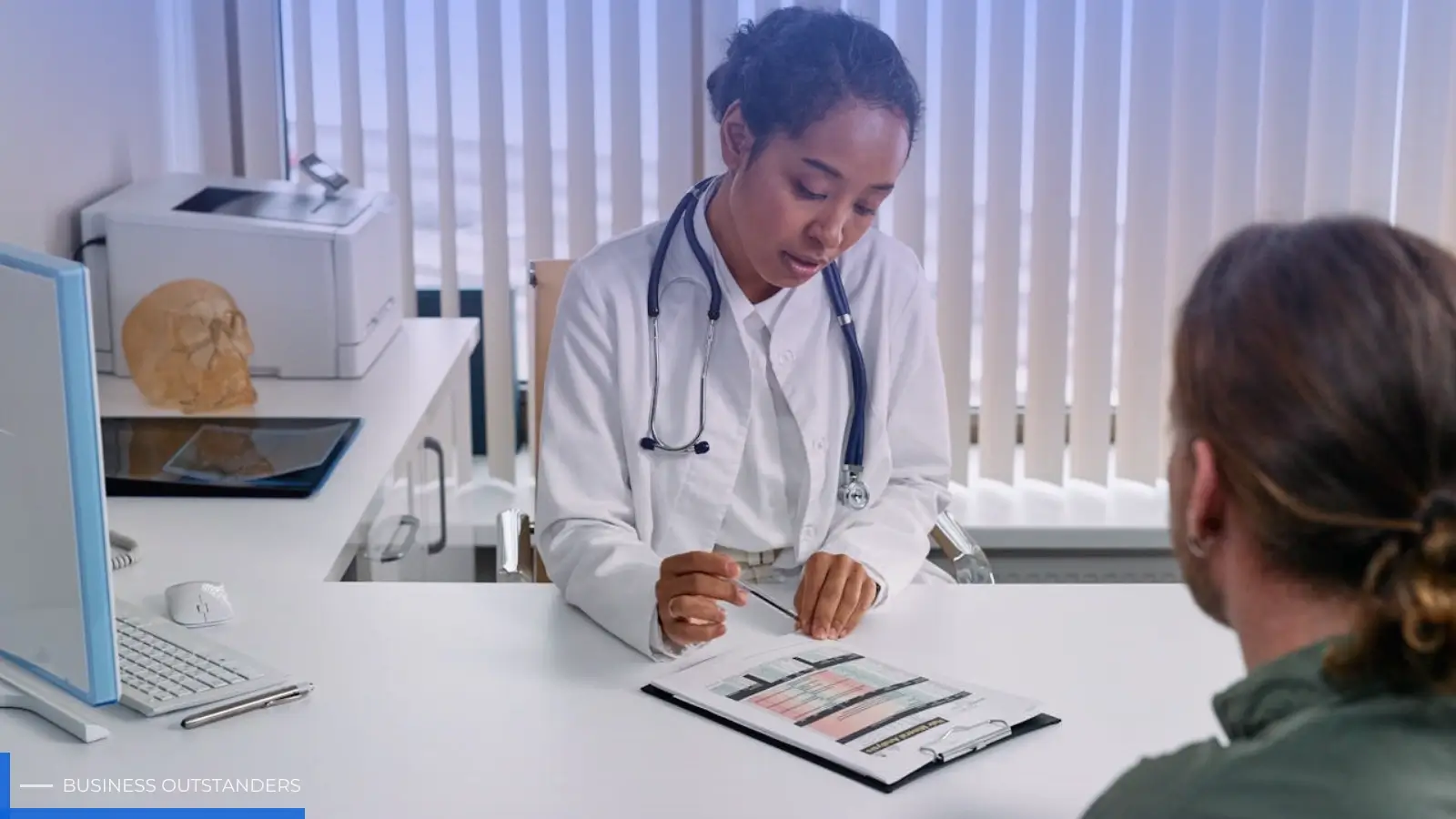
Medical billing must be accurate to ensure satisfied patients and maintain compliance. And those conducting medical billing need to be proficient with medical coding systems and comfortable dealing with insurers. They will submit insurance claims, follow up on missed payments, and work with patients to map out repayment plans.
Doing all of these processes efficiently enables providers to be paid quickly while keeping patients free from overbilling. Through a structured training program, students interested in medical billing careers can gain hands-on experience through simulated scenarios that will help them in real-life insurance claims situations.
Mastering the Art of Efficient Scheduling
Scheduling appointments is a vital piece of the puzzle in healthcare operations. After all, appointments ensure that patients receive necessary care and providers maximize their time. Those doing the scheduling must be comfortable accessing different calendars and making quick assessments to determine the urgency of a patient’s request.
Aspiring administrators can build these essential skills in just a few months through the online Medical Office Assistant program offered by Unitech Training Academy. Students will learn how to navigate billing situations and try their hand at scheduling. They’ll also gain familiarity with responsible management of patient data, preparing them well for a certification exam.
Handling Sensitive Patient Information Management
Electronic Health Records (EHR) systems are comprehensive digital records of patient data. EHR systems are a critical resource, offering real-time updates and an efficient means to share patient information across different medical spaces. However, those using these systems need to be compliant with HIPAA regulations and use data carefully. Administrators will need to add and find patient information quickly and securely to keep healthcare communication consistent.
Providing the First Point of Contact
Finally, operating the front desk at a clinic or hospital is a significant responsibility. This setting may be where a patient checks in and asks questions about anything from the provider to their insurance. Consequently, individuals at the front desk must be clear communicators with a sense of compassion and professionalism. They also must be adept at balancing multiple responsibilities.
Building Patient Trust and Streamlining Operations
Healthcare administration requires a commitment to putting patients first. That means balancing multiple responsibilities, all while maintaining your composure and offering the best service. When a healthcare administrator has solid training, they’ll contribute to much more organized healthcare operations. Patients will be able to schedule and check in for appointments easily, and they won’t face as many insurance or billing conflicts.
When patients can have a pleasant experience managing their healthcare, they’ll feel a greater sense of trust in the system. The best administrators will have strong interpersonal skills and a willingness to go above and beyond.
Business Outstanders brings you sharp insights on tech, business, entrepreneurship, law, crypto, and more. We uncover what’s next. Stay updated, sign up for our newsletter and be part of the future!