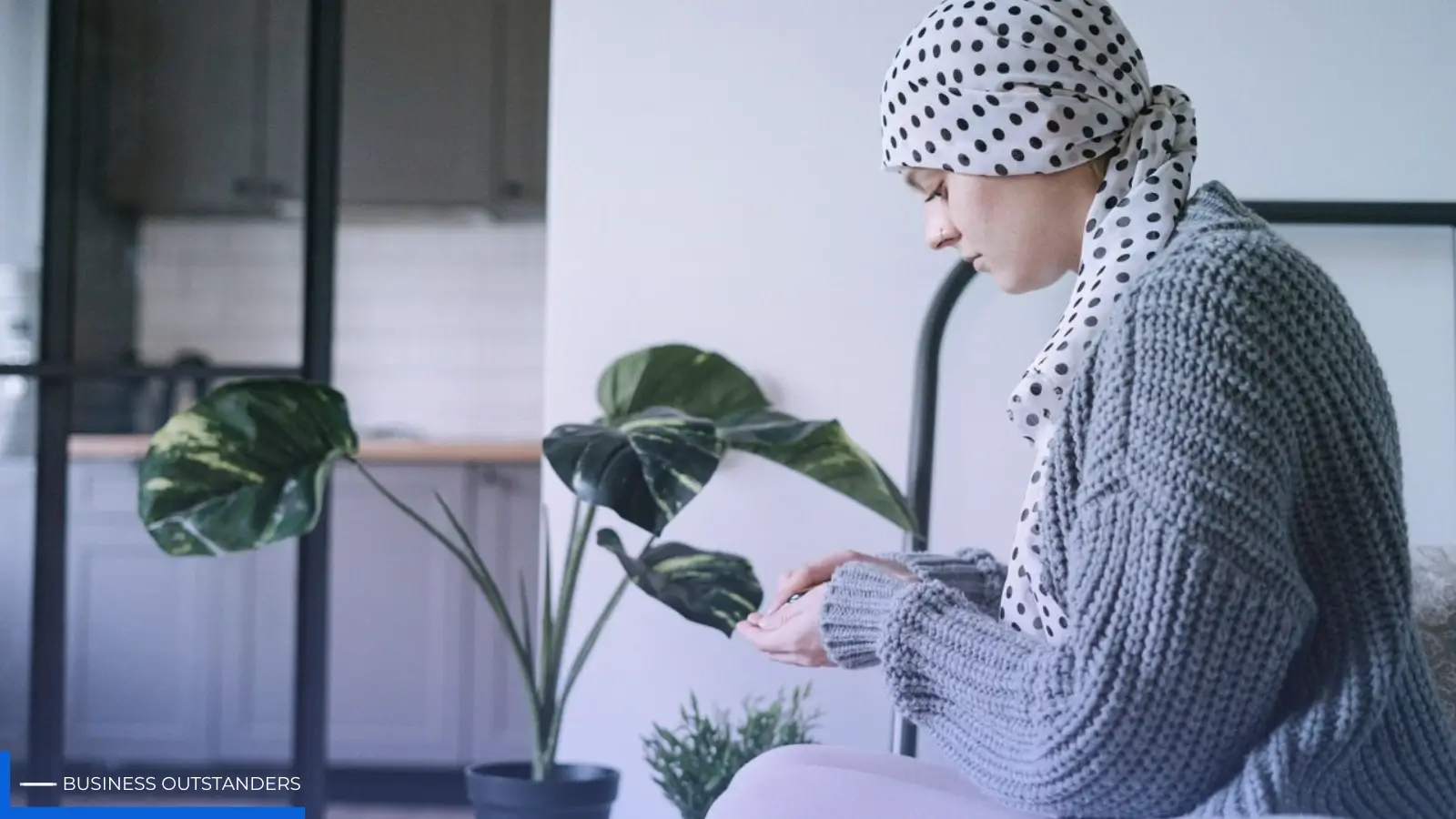
Managing attention-deficit disorders doesn't always mean jumping straight to prescriptions. Many parents today are exploring ADD/ADHD Treatments For Teens that lean on natural and behavioural methods. If you're looking for proven ways to help your teen succeed and feel confident, check out these evidence-backed, holistic strategies: ADD/ADHD Treatments For Teens.
Understanding ADHD and Its Challenges
ADHD—attention-deficit/hyperactivity disorder—shapes how a teen focuses, controls impulses, and uses energy. While medicines often help, they're not the only route to a fulfilling life. Some families prefer to try other approaches first to avoid possible side effects, or to see if their teen thrives with behavioural and environmental adjustments. Non-medication plans concentrate on developing stronger habits, creating solid routines, and teaching lifelong coping strategies.
Why Non-Medication Approaches Can Work
Natural options teach practical skills that transcend day-to-day problems. These plans:
-
Help teens learn to control their attention and regulate reactions.
-
Encourage healthier connections with friends and family.
-
Boost chances for success at school and in any social setting.
-
Offer benefits over the long haul—without creating dependency on medicines.
1. Behavioural Therapy
Behavioural therapy is a powerful non-drug way for teenagers with ADHD to feel more in control. It teaches real-life skills that curb impulsivity and motion overload.
How It Works:
-
Spots the triggers that cause daydreaming or sudden blurts.
-
Puts in place things like short study bursts to finish assignments or chores.
-
Rewards the actions they want to keep, like staying seated or raising a hand.
2. Cognitive Behavioural Therapy (CBT)
CBT digs into the negative thinking that often tags along with ADHD. Through guided steps, teens notice their unhelpful thoughts and switch to more positive ones.
What You Get:
-
Less frustration and a boost in how they feel about themselves.
-
Smarter ways to sort and tackle problems.
-
Better handling of twin issues like anxiety or sadness.
3. Parent and Family Training
ADHD touches more than just the teen; the family feels it, too. Training teaches parents and siblings how to build a helpful home.
What to Practice:
-
Keep routines steady and rules clear.
-
Speak calmly and clearly to avoid misunderstandings.
-
Solve problems together instead of handing out punishments.
With this plan, everyone pulls in the same direction, making home life calmer for both the teen and the adults.
4. School-Based Interventions
School is where ADHD often shows up the loudest, but a few simple tweaks can clear the path to better grades and less frustration.
Options for Support:
-
Set up Individualised Education Programs (IEPs) or 504 plans with the school.
-
Give your teen extra time on quizzes and homework.
-
Position them in the classroom where distractions are fewer.
-
Schedule regular check-ins with teachers or a school counsellor.
5. Mindfulness and Meditation
Teaching teens to be present and to pause before acting can make a big difference.
Simple Mindfulness Practices:
-
Try breathing exercises for just a few minutes each day.
-
Encourage your teen to write down their feelings to spot patterns.
-
Use yoga or meditation apps that are made for teens.
These small routines help them make thoughtful choices.
6. Physical Activity and Sports
Moving their bodies is one of the best ways for teens to control their energy and sharpen their minds.
Why Exercise Helps ADHD:
-
It raises brain chemicals that improve attention.
-
It burns off extra energy.
-
It improves mood and calms anxiety.
Sports like swimming, martial arts, or soccer also build teamwork and self-discipline—skills that are handy in and out of the classroom.
7. Nutrition and Sleep Management
What teens eat and how much they sleep are key to keeping ADHD symptoms balanced.
Nutrition Strategies:
-
Add protein at each meal to keep energy steady.
-
Cut back on sugary and processed snacks that lead to energy lows.
Sleep Tips:
-
Set a regular bedtime and wake time to help the body's clock.
-
Serve salmon or rainbow trout, and add chopped walnuts to smoothies or yoghurt to boost omega-3s that protect young brains.
Sleep Hacks:
-
Stick to the same bedtime and wake-up time even on weekends.
-
Put phones, tablets, and gaming systems in another room for the last hour before sleep.
-
Wind down with a chapter of a book or soft instrumental tracks instead of loud TV or scrolling.
8. Coaching for Organisation Skills
Many teens with ADHD need extra help to keep track of time and tasks. Coaching teaches them simple systems to keep homework, chores, and social activities on track.
What They Practice:
-
Jotting deadlines and appointments in a paper planner or a reminder app.
-
Splitting a big homework assignment into small steps and checking one off at a time.
-
Focusing on the three most important to-dos for the day.
9. Training for Social Skills
Many teens with ADHD feel awkward in conversation, so social skills training builds confidence in a safe setting. They learn to understand social rules and respond more calmly.
What Happens in Sessions:
-
Acting out, going to the lunch table, starting a group project, or joining a sports team.
-
Practising "I hear you" responses and taking turns calmly.
-
Figuring out how to express a disagreement respectfully.
10. Mix and Match for the Best Effect
Combining several of these strategies often leads to the strongest and fastest improvement. For instance, adding CBT to a daily mindfulness practice and a solid bedtime routine gives teens more tools to tame their ADHD symptoms than any one method used by itself.
Supporting Your Teen at Home
Parents are one of the biggest benefits to teens working on non-medication treatments for ADHD. Here's how to make having ADHD at home easier.
-
Stay Consistent: Daily routines give teens the stability they crave, so keep wake-up, homework, and bedtime times the same.
-
Encourage Open Communication: Your teen will go further when they know they can freely say, "I'm struggling," or "I did it, and I'm proud!"
-
Celebrate Small Wins: High-fives, stickers on a chart, or even bragging rights can turn "I remembered my homework" into "I can do this!"
-
Model Healthy Habits: Let your teen see you taking a break, drinking water, or writing a to-do list. They'll notice and copy you.
When to Seek Professional Help
Non-medication tips usually work, but sometimes the pros need to get involved. Look for these signs:
-
Daily homework fights, crying at the dinner table, or missing projects make homework impossible.
-
Your teen is feeling super down, anxious, or angry on top of having ADHD.
-
You can't figure out how to get the to-do list working at home.
An ADHD coach, school counsellor, or therapist can step in to help you build plans just for your teen.
Building a Long-Term Plan for Success
Living with ADHD takes practice for years, even into grown-up life. Keep checking what's working, and switch it out when a new routine makes more sense. They'll need strategies they can still use behind a college desk or an office desk.
Encouraging your teen to rely on skills, structure, and support can help them flourish without leaning exclusively on medication.
Final Thoughts
Non-medication ADD/ADHD Treatments For Teens can work—and they frequently do. These approaches equip young adults to control their symptoms, boost their self-esteem, strengthen social ties, and develop independence at the same time.
If you're weighing these options for your teen, chat with a trusted partner like Hillside Horizon to craft a detailed, family-friendly plan.
Business Outstanders brings you sharp insights on tech, business, entrepreneurship, law, crypto, and more. We uncover what’s next. Stay updated, sign up for our newsletter and be part of the future!