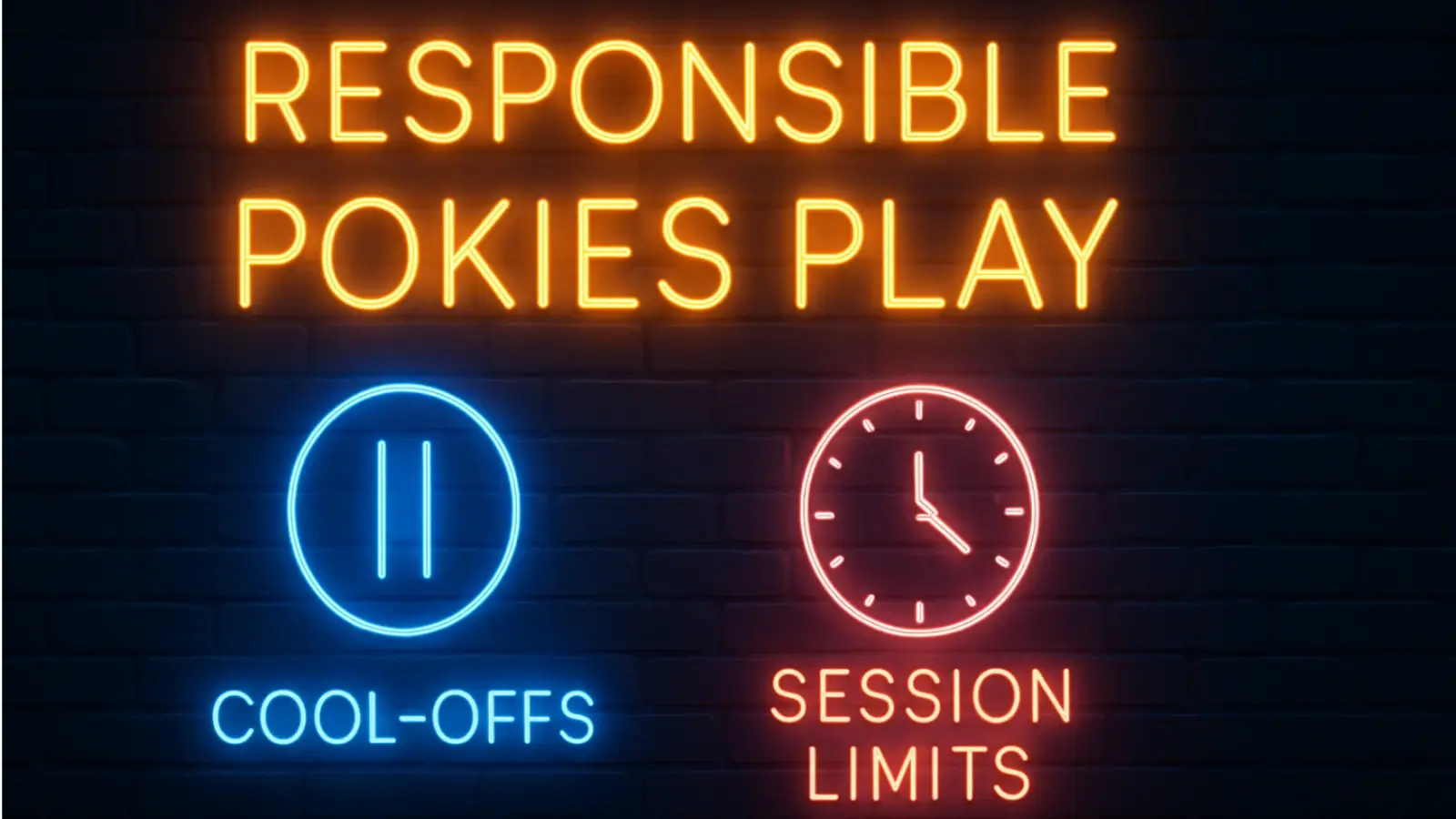
Casinos rarely admit it out loud, but they know players sometimes need a breather. That’s where responsible pokies play (AU) comes in. Not as a buzzword or a corporate shield, but as a set of tools that actually resemble something people already use every day — the screen-time features on iPhones and Androids.
Most players have seen those reminders that say “You’ve hit two hours on Instagram today” or that polite nudge to close TikTok for the night. No moralizing, no finger-wagging. Just a simple checkpoint. Pokies cool-offs and session limits operate the same way. And for anyone who thinks casinos can’t possibly borrow ideas from tech giants, the similarities are hard to ignore.
Why Responsible Play Matters More Than a Sign on the Wall
Years ago, casinos thought sticking a helpline number on the wall was enough. Maybe a pamphlet by the cashier, a few posters near the entrance. That was “responsible gambling.” The idea was: if someone had a problem, they’d notice the sign, pick up the phone, and sort it out.
The flaw? Most people in the heat of play don’t want to step away to call a stranger. And truthfully, it felt like the casino’s way of saying, “We’ve done our part. The rest is on you.”
The New Way: Built-In Breaks
Cool-offs and session limits change the equation. Instead of being reactive — waiting until a problem explodes — they’re proactive. They’re built into the account, part of the normal playing rhythm. Players click a button, set a boundary, and move on. No fuss. No awkward phone calls.
Cool-Offs: The Digital Equivalent of “Log Out and Breathe”
Think of a cool-off as the gambling world’s version of “remind me tomorrow”. You decide you’ve had enough for now, and the system locks you out for a period you choose — a day, a week, a month. When the timer runs out, you’re free to log back in.
It’s the same as when your phone decides you’ve spent too long on YouTube. You can override those pop-ups on iOS or Android, sure, but eventually most people get the hint. Pokies cool-offs work because they remove that choice entirely. The casino closes the door for you, so you’re not tempted to crack it open “just for one spin.”
Why Players Actually Like Them
There’s a misconception that these features annoy players. The opposite is true. Regulars often say they respect casinos more when these tools are present. It shows the operator isn’t pretending players are robots. The cool-off is like a friend tapping your shoulder and saying, “Alright, enough for tonight.”
Session Limits: The Stopwatch That Keeps Everyone Honest
Session limits are as blunt as they sound. You set a limit on how long you want to play — maybe 45 minutes, maybe three hours. When the time’s up, the system ends your session. Done. No “Are you sure?” No bargaining.
It’s the same idea as Apple’s App Limits. You hit two hours of Twitter, and the phone grays out the icon. Casinos just applied the logic to pokies, tables, and live dealers.
The Psychology Behind the Clock
Players underestimate how much time slips away at a machine. No windows. No clocks. Just reels spinning. Session limits are the antidote. They keep track so you don’t have to.
Oddly enough, a lot of players find it freeing. The limit takes away the mental load of “Should I keep going? Should I stop?” The decision’s made ahead of time. It makes the whole thing lighter, less like a battle of willpower.
The iOS and Android Parallel: A Familiar Set of Rules
When Apple rolled out Screen Time in 2018, people rolled their eyes. Who’s going to let a phone tell them when to stop? Fast-forward to now, and millions use it daily. Parents swear by it. Adults quietly admit it helps them put the phone down at night.
Pokies cool-offs and session limits are tapping into that same acceptance. People already understand the idea of digital boundaries. No need to explain it with jargon. It just clicks.
Casinos Borrowing from Big Tech
Here’s the part that feels almost ironic: the gambling industry, once seen as old-school, is now lifting straight from Silicon Valley. Not in flashy ways — no VR headsets or neon blockchain talk. Just practical, almost boring features. And that’s exactly why they work.
The Positive Spin: Why This Actually Makes Casinos Look Good
Players are more loyal to casinos that don’t hide behind endless reels and timers. When a site gives someone the tools to pause, it sends the message: “We’re not afraid of you taking a break.” That kind of transparency builds long-term trust.
Breaks Keep the Fun Alive
The point of pokies is entertainment. If someone burns out in a six-hour binge, the shine wears off. Breaks, even short ones, keep the games enjoyable. Just like stepping outside a cinema between movies makes the next one hit harder.
The Subtle Marketing Win
Casinos rarely admit it, but there’s a soft marketing benefit here. Responsible play features don’t scream “promotion,” but they do stick in players’ minds. When someone talks about which casino they prefer, the one that respected their time usually comes out on top.
Deposit and Loss Limits
Cool-offs and session limits get most of the attention, but deposit and loss limits are part of the same toolkit. Players can set daily, weekly, or monthly caps on how much money they put in or how much they’re willing to lose. Once the number’s reached, the system shuts the door.
Reality Checks
Some casinos add “reality checks” — pop-ups that appear every 30 or 60 minutes reminding you how long you’ve been playing and how much you’ve wagered. It’s blunt, but effective. A little like the Netflix prompt: “Are you still watching?” Only here, it’s “Are you still spinning?”
Self-Exclusion Options
For those who need more than a cool-off, there’s self-exclusion. It’s longer, stricter, and harder to reverse. Think of it as deleting the app rather than muting it. Not everyone uses it, but it matters that it’s there.
The Cultural Shift: From “Player Problem” to Shared Responsibility
The biggest change isn’t the tech itself, but the mindset. For years, the industry’s stance was: “If players can’t handle it, that’s their issue.” Now, more casinos are acknowledging they share some responsibility.
By adding these tools, they’re saying: “We know this can get intense. Here’s how we’ll help keep it in check.” It’s a small shift, but one that makes the whole scene feel more balanced.
Players, especially in Australia, now expect responsible play options as standard. Just like you expect Wi-Fi at a café. If a casino doesn’t offer them, it feels outdated. And in a market where options are everywhere, outdated isn’t a good look.
A Final Thought
Responsible pokies play in Australia isn’t about draining the fun out of the casino floor. It’s about keeping that fun sustainable. Cool-offs, session limits, deposit caps — none of these are dramatic. They’re small, practical nudges. Familiar, even, because they look a lot like the digital limits people already use on their phones.
The irony is that in borrowing from Apple and Google, casinos have stumbled onto something that actually makes sense. Responsible play tools aren’t a sideshow. They’re part of the main act now. And for players who want to keep the lights bright and the reels spinning — without losing track of time — that’s not a bad deal.
Business Outstanders brings you sharp insights on tech, business, entrepreneurship, law, crypto, and more. We uncover what’s next. Stay updated, sign up for our newsletter and be part of the future!