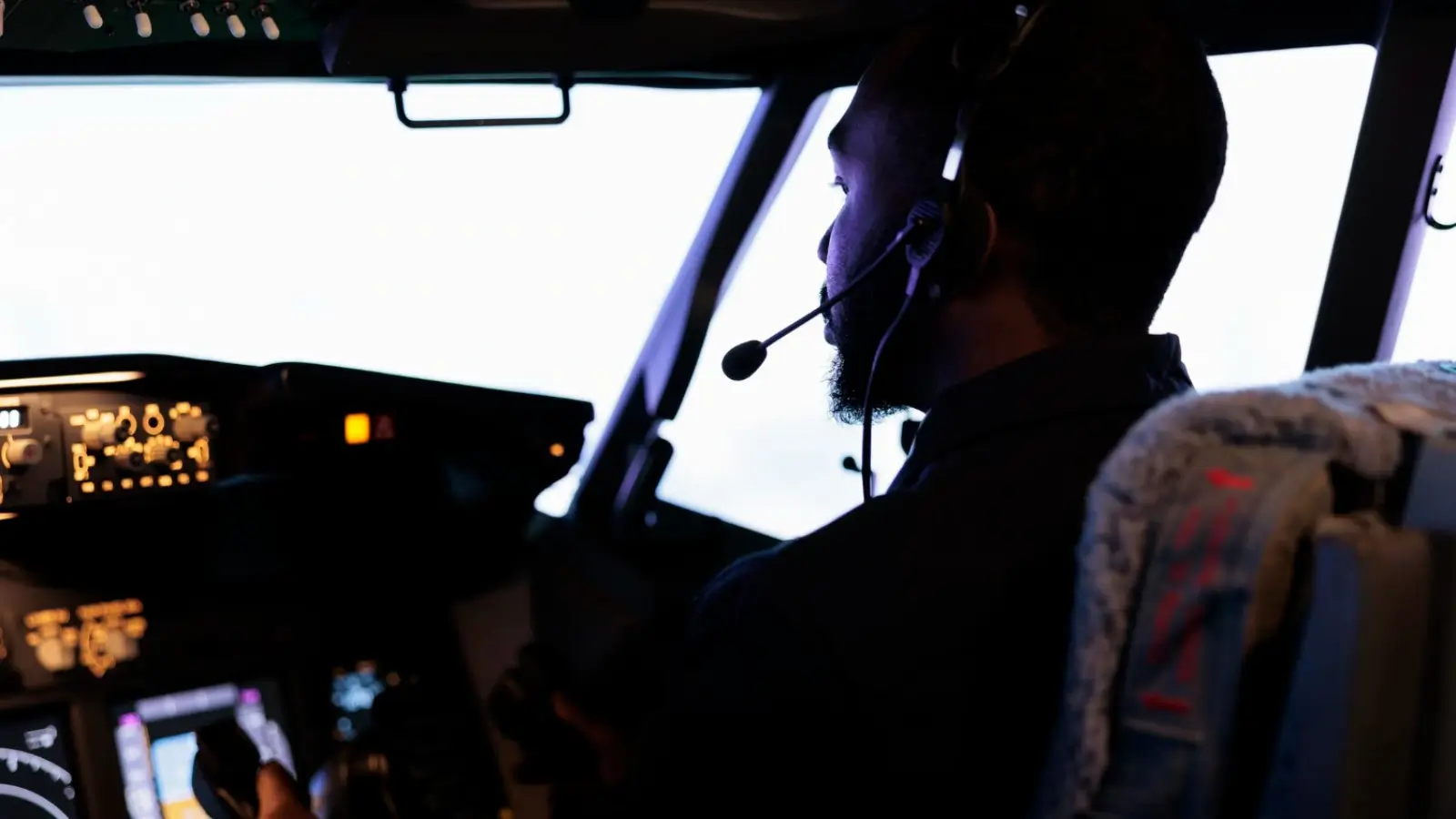
Preparing for a pilot job interview requires combining technical knowledge and personal skills. This article offers guidance on presenting oneself effectively and showcasing the qualities that make a strong candidate. By understanding the key elements of the interview process, aspiring pilots can increase their chances of success.
Research and Prepare
Gathering information about the airline before attending an interview is crucial. Get a real feel for a company by checking out its values, its past, and the vehicles it uses. You'll stand to gain a lot. You'll answer pilot interview questions much better when you've done your homework on the organization. And that preparation tells them you're genuinely interested. Candidates gain a real edge by regularly reviewing recent industry headlines and developments, as it keeps them fully informed.
Master the Technical Knowledge
A pilot's role demands a solid grasp of technical concepts, and hiring managers frequently evaluate your understanding of aeronautical fundamentals. If you need a memory jog, just crack open those flight manuals. Rereading the rules and standard ways of doing things will bring it all back. Practice discussing these topics clearly and confidently to convey expertise.
Highlight Soft Skills
While technical skills are essential, soft skills are critical in a pilot's responsibilities. Operators value clear communication, teamwork, and finding innovative solutions. Examples from past experiences where candidates utilized these skills can illustrate their application. Interviewers use this method to see how a pilot handles the unexpected. It shows them how someone would react when things get tough.
Dress and Present Professionally
First impressions matter. Dressing in professional attire reflects seriousness about the position. A neat appearance shows respect for the interview process. It's not just your clothes; how you move and present yourself truly defines the first impression you make. Maintaining eye contact, offering a firm handshake, and speaking clearly can make a positive impact.
Practice Common Interview Questions
Preparing answers for frequently asked questions can reduce anxiety. What often comes up for discussion includes why someone chooses to fly, how they manage stressful moments, and their plans for a future job. Crafting responses in advance allows candidates to articulate thoughts more effectively. Practicing with a friend or in front of a mirror can enhance confidence.
Show Enthusiasm and Passion
Expressing enthusiasm for flying and the opportunity to join an airline can set a candidate apart. When you share what drew you to flying, interviewers truly connect. Feel a real spark for the position; that enthusiasm tells everyone you're all in, and they'll remember you.
Understand the Company Culture
Every airline has a unique culture. When you understand this, your replies will naturally reflect what the company stands for. Speaking with staff, past or present, offers a clearer view. When applicants grasp a company's culture, they can shape their interview responses to show they fit in.
Prepare Questions for the Interviewer
Interviews are a two-way street. Preparing thoughtful questions for the interviewer shows engagement and interest in the role. Inquiring about training programs, career progression, or company goals can reflect a proactive attitude. You'll get a clear picture of the daily grind and company vibe.
Reflect on Past Experiences
Drawing on previous experiences can provide concrete examples during the interview. Remember your old jobs. The struggles you faced and the successes you had offer plenty to discuss. Through this method, you can precisely identify your proficiencies and the areas ripe for development. This commitment signals an admirable readiness to embrace new knowledge and modify your approach.
Stay Calm and Composed
Nervousness is natural, but staying calm is essential. A quick breath and silence before you speak helps you stay relaxed. A pilot who uses this technique provides straightforward answers and demonstrates a cool head under pressure. That calm is critical in the cockpit.
Follow Up After the Interview
Sending a thank-you note after the interview is a courteous gesture. Think of it as your chance to shout, "I want this job!" You also get to circle back and mention those specific skills or experiences you discussed that best fit the role. A brief and polite message can keep a candidate fresh in the interviewer's mind, potentially influencing the final decision.
Conclusion
Securing a pilot job involves more than technical prowess. Candidates can enhance their prospects by preparing thoroughly, showcasing soft skills, and demonstrating enthusiasm. A well-rounded approach and a calm and professional demeanor can help aspiring pilots achieve their career goals.
Business Outstanders brings you sharp insights on tech, business, entrepreneurship, law, crypto, and more. We uncover what’s next. Stay updated, sign up for our newsletter and be part of the future!