Alright, let’s get real—when chaos hits the fan, you want everyone clued in, like, yesterday. That’s the magic of a Mass Notification System (MNS). Picture: alarms blaring, your phone buzzing like it’s possessed, screens flashing warnings like Vegas signs. Schools, hospitals, warehouses—basically anywhere people bunch up, these systems are clutch for keeping folks calm and out of trouble. But, if you treat your MNS like that gym membership you swear you’ll use “next week,” don’t be shocked when it ghosts you during crunch time. Embarrassing, honestly.
So, how do you keep your MNS from gathering dust and dying on you? Let’s skip the fluff. Here’s the lowdown (plus, why the pros at gmw fire protection are basically your disaster insurance).
Okay, So What’s an MNS, Anyway?
Think megaphone on monster energy.
Disaster strikes, and your Mass Notification System (MNS) blasts alerts from every speaker, piles up texts and emails in your inbox, flashes warnings on every screen in the building—maybe even pings your phone directly.
The good systems hook into your fire alarms and security gear, so everything’s talking to each other. Coordinated chaos—but on purpose.
Why Bother Checking? Because Stuff Breaks. Obviously.
Would you drive a car that’s never had an oil change?
I didn't think so. Same energy here.
What could go sideways? Oh, just things like:
-
Fried speakers: so nobody hears squat
-
Dead batteries or a blackout: system’s taking a nap
-
Outdated contact lists: texting people who bailed months ago
-
Out-of-sync systems: fire alarms screaming while the MNS is on snooze
If that happens, it’s not just your building that’s screwed—people’s lives are on the line.
Who Needs These Inspections?
Short answer: anyone with a crowd.
Schools, hospitals, offices, factories, military spots—you name it.
And don’t get cute—NFPA 72 (aka the fire alarm bible) says you gotta do these checks.
Not a “maybe.” It's the law.
How Do You Make Sure Your MNS Isn’t Trash When You Need It?
Here’s your straight-up checklist for keeping it tight:
1. Test It Monthly (No, Seriously)
Don’t just cross your fingers.
Hit every speaker. Push out test alerts. Trigger emergency buttons.
Better to find problems now than during an actual emergency.
2. Backup Power—Because Blackouts Love Bad Timing
Lights always go out at the worst moment.
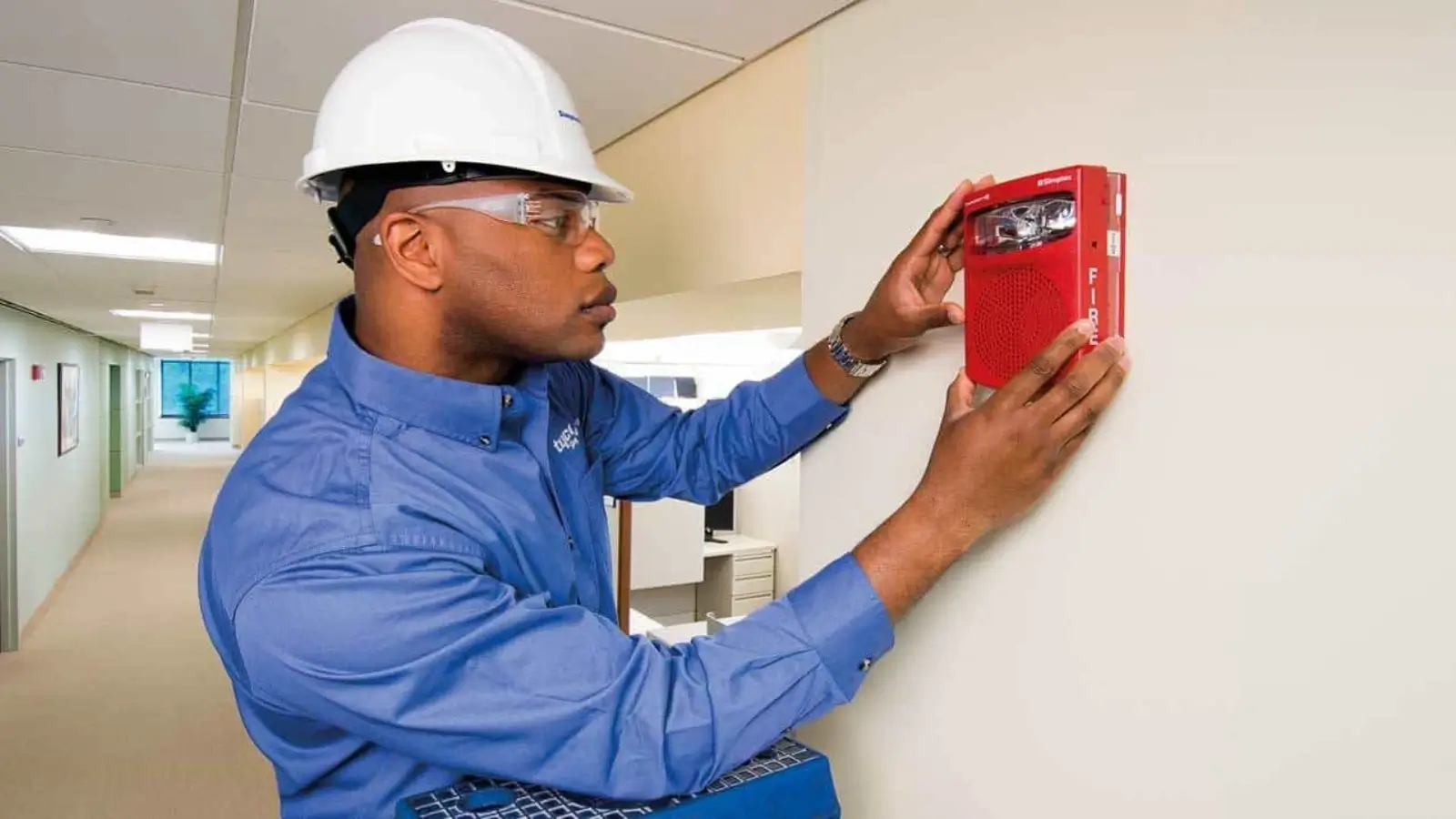
Check batteries. Make sure generators actually fire up.
And don’t assume your UPS is more than a fancy box unless you’ve tested it.
If you’re lost—call someone who knows their stuff.
3. Speakers & Audio—Can People Even Hear?
Dust, water leaks, and old age will murder your speakers.
Walk the halls, crank it up, and listen for weird dead zones.
Pro tip: sound meters help if you want to go full nerd.
4. Contact List: No Ghost Alerts
If your MNS is still trying to hit up Bob from accounting who quit last year—that’s a fail.
Update contact info. New hires? Numbers changed? Stay on it.
Bonus: some systems can automate this.
5. Software Updates—Don’t Hit Snooze
Yes, updates are annoying. So is getting hacked.
Patch up every few months and test after.
Confused? Your vendor should be your best friend here.
6. Manual Override—The Panic Button Vibe
Sometimes you gotta slap that big red button.
Make sure everyone knows:
-
Where it is
-
How it works
-
That it actually functions
Run a drill. Don’t just hope.
7. Don’t Forget to Write This Stuff Down
Every time you run a test, log it—somewhere official (not a napkin).
Include:
-
What you tested
-
If it worked
-
Date and time
-
Who ran the test
Why?
Because compliance auditors don’t mess around—and neither should you.
How to Tell Your MNS Is Begging for Help
Red flags you shouldn’t ignore:
-
Messages crawling in late (or not at all)
-
Speakers sound like static demons
-
Alerts hit some rooms, skip others entirely
-
Control panel’s flashing like it’s possessed
Just call in the pros at gmw fire protection.
They’ll fix it fast—and without breaking anything else.
Why Not Just DIY? Why Go Pro?
You could fumble through a few tests, sure.
But calling the pros? Here’s what you get:
-
Certified techs who know this gear inside out
-
Testing by the book (NFPA 72 isn’t light reading)
-
Custom maintenance plans for your building
-
Emergency support when things go sideways at 2 a.m.
Bottom line?
Your MNS will be in fighting shape when it matters most.
Wrapping It Up
Here’s the deal:
An MNS isn’t just a cool gadget on the wall.
When things go south, it’s your lifeline.
Skip inspections?
You might as well be rolling the dice with people’s safety.
So don’t wing it.
Follow the checklist. Partner with experts like gmw fire protection.
And keep your system ready to shout back at chaos—loud, clear, and without hesitation.
Business Outstanders brings you sharp insights on tech, business, entrepreneurship, law, crypto, and more. We uncover what’s next. Stay updated, sign up for our newsletter and be part of the future!