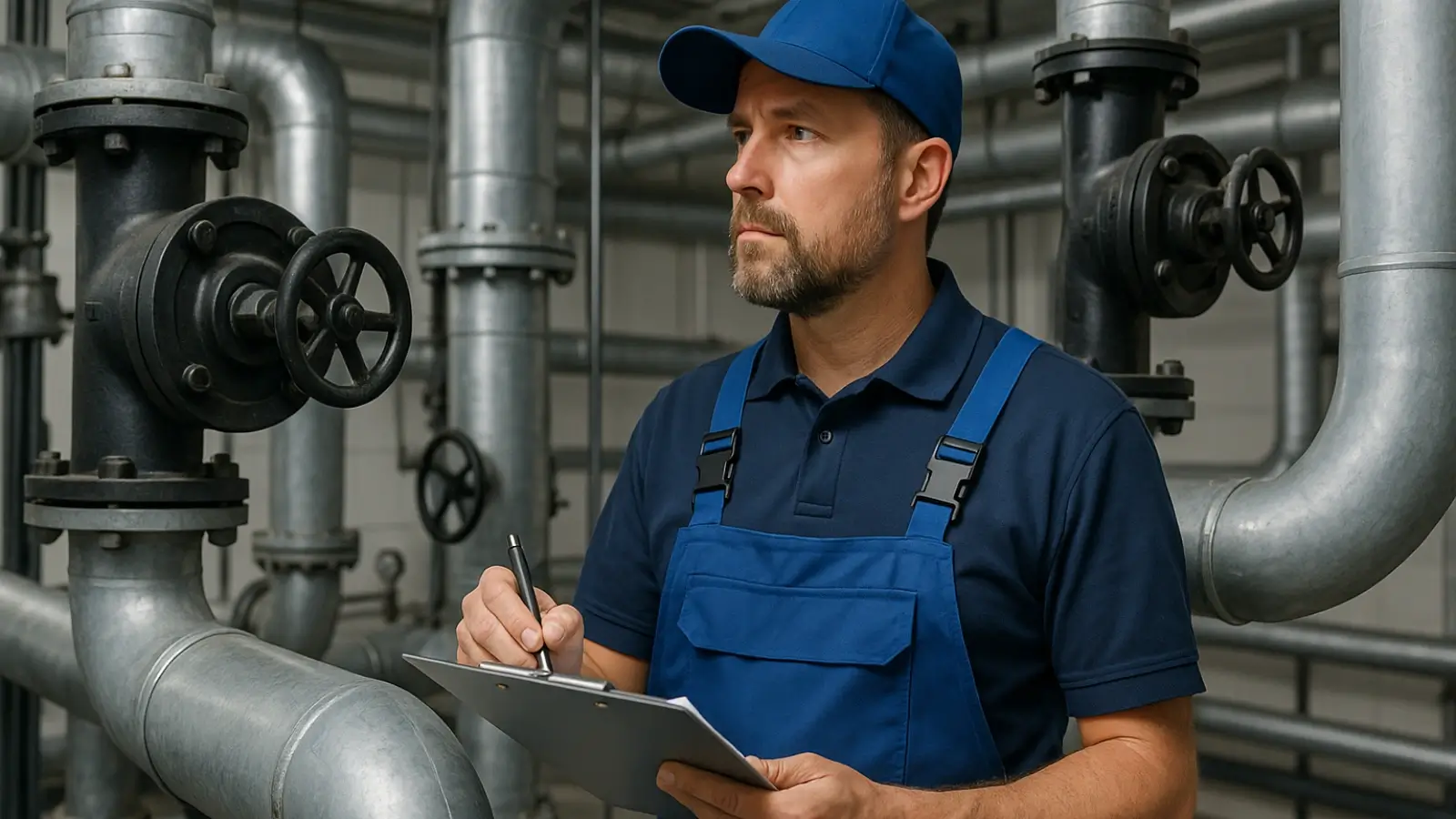
Plumbing is an essential component of any commercial building, playing a critical role in maintaining hygiene, operational efficiency, and overall business functionality. Unlike residential plumbing, commercial plumbing systems are typically larger, more complex, and subject to higher usage. From restaurants and office buildings to hospitals and manufacturing facilities, proper plumbing is crucial to ensure smooth operations. This guide explores everything you need to know about commercial plumbing, including system types, common issues, maintenance strategies, and the benefits of professional services.
What Is Commercial Plumbing?
Commercial plumbing refers to plumbing systems designed for business and industrial properties, which handle higher volumes of water and more extensive piping networks than residential systems. These systems include water supply lines, drainage systems, sewage connections, gas lines, water heaters, and specialized equipment for specific industries. Because commercial plumbing is subject to higher demands, proper installation, maintenance, and repair are essential to prevent costly downtime, health hazards, property damage or any disaster strikes.
Common Commercial Plumbing Systems
Commercial plumbing encompasses a wide range of systems designed to support different types of businesses:
-
Water Supply Systems: These systems distribute clean water throughout the building, often using larger diameter pipes and higher-capacity pumps than residential systems.
-
Drainage and Waste Systems: Commercial buildings generate more wastewater, requiring advanced drainage systems with larger pipes, grease traps, and backflow preventers.
-
Hot Water Systems: From restaurants needing constant hot water for kitchens to gyms requiring showers, commercial water heaters are typically larger and sometimes use boilers or tankless systems for efficiency.
-
Gas Lines: Many commercial buildings rely on gas-powered appliances, which require safe and compliant gas piping.
-
Specialized Systems: Facilities like laboratories, hospitals, and industrial plants often have unique plumbing requirements, such as chemical-resistant piping or pressurized water systems.
Understanding the type of plumbing system your business requires is crucial when planning installation, maintenance, or upgrades.
Common Commercial Plumbing Issues
Due to the heavy usage and complexity of commercial plumbing, certain issues are more prevalent than in residential settings:
-
Clogged Drains and Sewer Lines: High-volume usage can lead to blockages from grease, debris, or foreign objects.
-
Pipe Leaks and Corrosion: Over time, pipes can deteriorate, causing leaks that disrupt operations and damage property.
-
Water Pressure Problems: Inadequate or fluctuating water pressure can affect daily operations and may indicate leaks or issues with pumps and valves.
-
Water Heater Malfunctions: Commercial water heaters are heavily used, making them more prone to failure if not maintained regularly.
-
Backflow Issues: Improperly installed or maintained backflow preventers can contaminate water supplies, posing health risks.
Identifying these problems early is essential to prevent downtime and maintain regulatory compliance.
The Importance of Professional Commercial Plumbing Services
Due to the scale and complexity of commercial plumbing, professional services are often necessary to ensure reliability and efficiency. Licensed commercial plumbers provide:
-
Expert Installation: Proper installation prevents future leaks, pressure issues, and system failures.
-
Preventive Maintenance: Routine inspections, drain cleaning, and equipment checks help avoid costly emergencies.
-
Emergency Repairs: Professionals are equipped to respond quickly to urgent issues, minimizing downtime.
-
Code Compliance: Commercial plumbing must meet local and state regulations to ensure safety and avoid legal penalties.
-
Energy and Water Efficiency: Experienced plumbers can recommend upgrades that reduce utility costs and environmental impact.
Investing in professional services helps businesses maintain operational continuity and protect both staff and property.
Preventive Measures for Commercial Plumbing
Prevention is always better than repair, especially in commercial environments where downtime can impact revenue. Effective preventive measures include:
-
Regular Inspections: Schedule annual or semi-annual inspections of pipes, drains, water heaters, and pumps.
-
Drain and Grease Trap Maintenance: Frequent cleaning prevents clogs and backups in kitchens, bathrooms, and production areas.
-
Water Pressure Monitoring: Regular checks ensure optimal water pressure and detect leaks early.
-
Pipe Insulation: Insulating pipes prevents freezing in colder months and reduces energy loss.
-
Staff Training: Educate employees about proper disposal of materials to avoid clogs and system strain.
A proactive approach reduces unexpected costs and extends the lifespan of commercial plumbing systems.
Upgrading Commercial Plumbing Systems
Many businesses benefit from upgrading outdated plumbing systems to improve efficiency, reliability, and compliance. Common upgrades include:
-
Tankless Water Heaters: These systems provide on-demand hot water and reduce energy waste.
-
Pipe Replacement: Replacing old or corroded pipes prevents leaks and contamination.
-
Water-Saving Fixtures: Installing low-flow faucets, toilets, and urinals reduces water consumption and utility costs.
-
Automated Monitoring Systems: Smart technology can detect leaks, pressure changes, or water usage anomalies in real time.
Investing in upgrades not only ensures compliance with modern standards but also improves operational efficiency.
Common Challenges in Commercial Plumbing
Commercial plumbing is more complex than residential plumbing, and several challenges arise:
-
High Usage and Wear: Heavy daily usage puts significant stress on pipes, valves, and fixtures.
-
Complex Piping Networks: Larger buildings require extensive piping systems that can be difficult to troubleshoot.
-
Limited Downtime Windows: Businesses often operate on strict schedules, making it crucial to schedule repairs outside of peak hours.
-
Compliance Requirements: Commercial plumbing must meet strict codes, which vary by industry and location.
Professional commercial plumbers are trained to handle these challenges, ensuring efficient and code-compliant solutions.
Emergency Commercial Plumbing
Even with preventive measures, emergencies can occur. Burst pipes, major leaks, or sewer backups require immediate attention to prevent operational disruptions and costly damage. Professional emergency commercial plumbing services provide rapid response, diagnostic expertise, and temporary solutions to minimize business downtime.
Benefits of Professional Commercial Plumbing
Hiring licensed commercial plumbing professionals offers multiple advantages:
-
Reliability: Ensures consistent operation of water and waste systems.
-
Safety: Reduces risks of flooding, contamination, or gas leaks.
-
Cost Savings: Prevents costly repairs, downtime, and water wastage.
-
Compliance: Guarantees adherence to building codes and health regulations.
-
Peace of Mind: Professional expertise ensures issues are resolved efficiently and correctly.
Final Thoughts
Commercial plumbing is a vital component of any business infrastructure, and its complexity demands careful attention, regular maintenance, and professional expertise. From installation to preventive maintenance, emergency response, and system upgrades, reliable commercial plumbing in San Diego ensures that operations run smoothly, staff and clients remain safe, and compliance standards are met.
Investing in professional commercial plumbing services is not just about fixing leaks, it's about creating a resilient, efficient, and sustainable plumbing system that supports the long-term success of your business. Proper planning, regular maintenance, and timely upgrades minimize disruptions, reduce costs, and protect your property, making commercial plumbing a critical investment for any business owner.
Business Outstanders brings you sharp insights on tech, business, entrepreneurship, law, crypto, and more. We uncover what’s next. Stay updated, sign up for our newsletter and be part of the future!