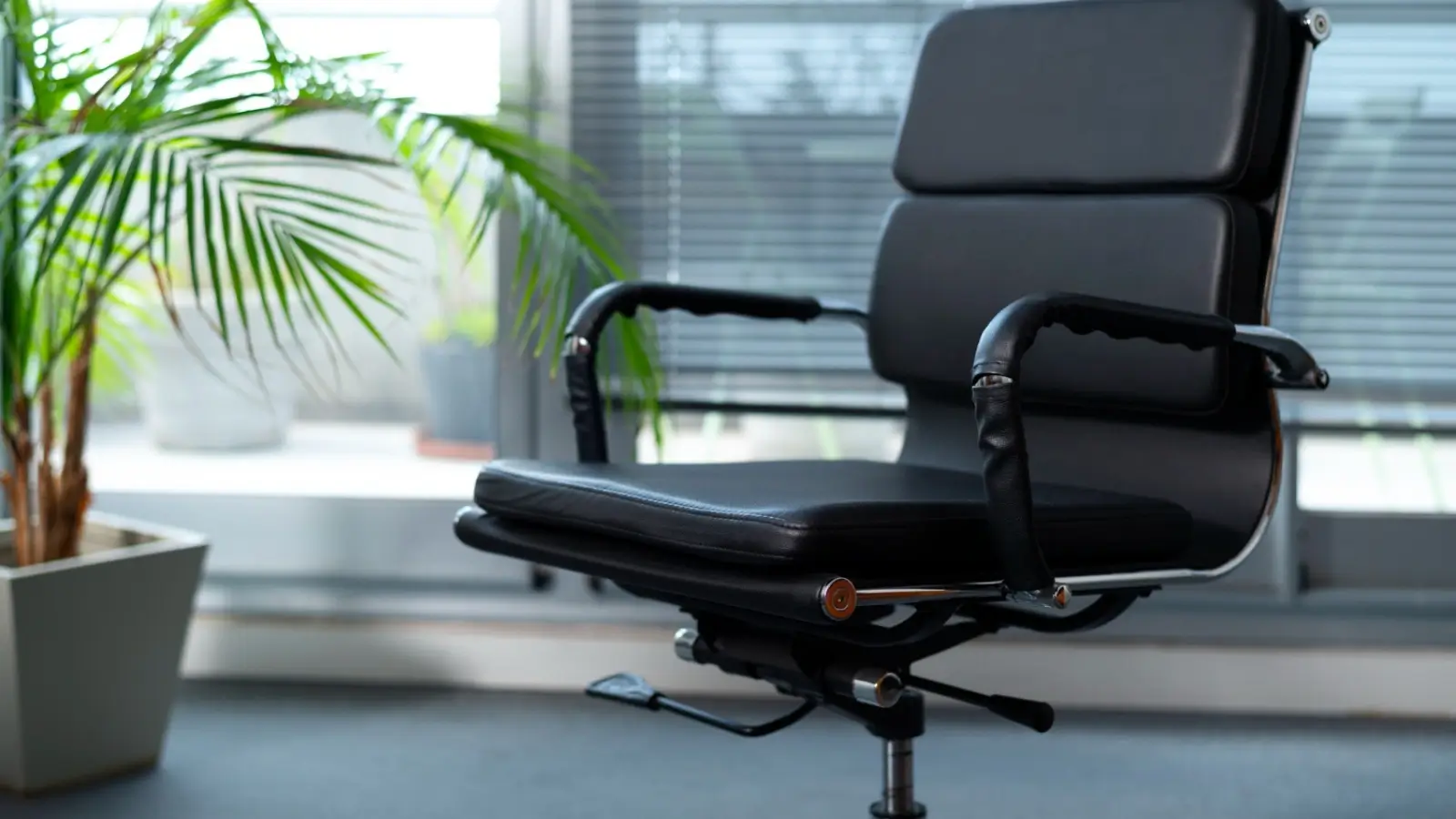
Creating inclusive workspaces is no longer a trend—it's a necessity. In Australia, the rise of inclusive design has highlighted the importance of accommodating a diverse range of body types, especially in commercial, healthcare, and education settings. One of the most overlooked elements in office ergonomics is the bariatric office chair Australia-wide, which provides critical support and comfort for larger users while meeting workplace safety standards like AS/NZS 4442.
As businesses adapt to hybrid models and prioritise employee wellbeing, bariatric chairs are becoming essential for fostering equity and productivity in 2025.
What Is a Bariatric Office Chair?
A bariatric office chair is purpose-built to support higher weight capacities—often up to 200–250kg or more—without compromising on comfort or stability. These chairs are engineered with reinforced frames, reinforced steel or alloy bases, broader seat widths (typically 550mm+), and heavy-duty components like gas lifts rated for extended use.
While traditional office chairs cater to the average user (up to 120kg), bariatric models prioritise inclusive access, enabling all employees and visitors to work comfortably and confidently. These chairs are not just about weight—they’re about dignity, safety, and equal participation in the workplace. According to Safe Work Australia (2021), over 55% of workplace injuries are MSD-related, and bariatric chairs help mitigate this by offering ergonomic support tailored to diverse needs.
Why Inclusion Matters in the Workplace
In 2025, inclusive design has become a key performance indicator in modern fitouts across Australia. Employers are increasingly responsible for providing furniture solutions that align with Safe Work Australia ergonomic guidelines and anti-discrimination laws under the Disability Discrimination Act 1992.
Beyond compliance, offering diverse seating options like a bariatric office chair Australia demonstrates a commitment to employee wellbeing and workplace equity. It's an investment in morale, productivity, and brand reputation. Studies show that inclusive environments can increase employee satisfaction by 22% and reduce absenteeism by 15% (Deloitte, 2023). For sectors like healthcare (where patient comfort is paramount) or education (where teachers and students of all sizes need support), bariatric chairs ensure no one is left behind.
Key Features of Bariatric Chairs
To ensure long-term performance and safety, bariatric office chairs typically include:
-
Higher weight ratings (up to 250kg+)
-
Wider seats and reinforced padding for comfort during extended use
-
Heavy-duty bases and gas lifts to prevent tipping or failure
-
Adjustable lumbar and arm support to promote proper posture
-
Sturdy steel or alloy frames that meet AS/NZS standards
These features reduce the risk of chair failure and ensure a stable, comfortable experience even during extended use. Unlike standard chairs, which may buckle under heavier loads, bariatric models are tested for durability, making them ideal for high-traffic areas like reception desks or conference rooms.
Who Needs Bariatric Office Chairs?
Bariatric seating is especially critical in:
-
Healthcare environments (hospitals, clinics, aged care facilities), where patients and staff require reliable support.
-
Educational institutions (universities, TAFEs, schools), supporting teachers and students in diverse classrooms.
-
Government and corporate offices with public-facing roles, ensuring compliance and comfort for all visitors.
-
Customer service and reception areas, where inclusivity enhances user experience.
In these settings, offering an ergonomic, heavy-duty seating option can improve service quality, reduce injury risks, and create a more respectful space for all users.
Compliance & Ergonomics
Australia’s evolving workplace standards increasingly call for risk mitigation strategies that include accommodating various body sizes. Bariatric chairs directly support these strategies. According to Safe Work Australia, employers must assess workplace ergonomics as part of their duty of care, and bariatric seating helps meet this obligation.
Inclusion of bariatric chairs in office layouts supports this duty and demonstrates proactive risk management. In 2025, with rising awareness of diversity and equity, non-inclusive furniture could lead to legal or reputational risks—making bariatric options a smart preventive measure.
Choosing the Right Bariatric Chair: What Buyers Should Look For
Not all heavy-duty chairs are created equal. When selecting a bariatric office chair for your workspace, there are several key factors to consider beyond the weight capacity alone. Here’s what Australian employers, facility managers, and purchasing teams should assess:
-
Seat Width and Depth: Opt for models with a seat width of 550mm or more, ensuring it accommodates a broader range of body shapes without restricting comfort.
-
Adjustability: Ergonomic adjustability is vital. Chairs should include multi-adjustable armrests, height adjustment, and lumbar support to fit users of all sizes.
-
Safety Certifications: Look for chairs that meet AS/NZS standards and have been tested for structural integrity, flammability, and ergonomic compliance.
-
Warranty Coverage: Long-term warranties (5–10 years) indicate durability and manufacturer confidence. For high-use environments like healthcare or government offices, this is essential.
-
Aesthetic Fit: Bariatric chairs don’t have to look clinical. Modern designs can blend into executive, reception, or classroom settings while still offering robust support.
These criteria ensure not only safety and function but also alignment with a professional and inclusive workplace image.
Case Study: Government Office Fitout in Brisbane
In 2024, a state government office in Brisbane upgraded their public service areas with inclusive furniture, including bariatric chairs. Prior to the update, standard task chairs were frequently damaged or uncomfortable for larger visitors. Post-installation:
-
Workplace injury claims dropped by 15% over the following year
-
Employee satisfaction scores for shared spaces improved by 22%
-
The office passed its annual accessibility compliance audit with commendation
This example demonstrates the ROI and workplace impact of incorporating thoughtful, inclusive ergonomic seating into high-traffic environments.
FAQs About Bariatric Office Chairs
Q: Are bariatric office chairs only for people with obesity?
A: Not necessarily. They are designed for anyone who benefits from wider seating, greater weight support, or enhanced durability—this includes pregnant employees, individuals recovering from injury, and those with mobility limitations.
Q: Do they take up more space?
A: Some models have a wider footprint, but there are compact bariatric options that maintain small workspace compatibility while offering superior support.
Q: Can they be used in meeting rooms or at home?
A: Absolutely. Many users purchase bariatric chairs for boardrooms, classrooms, and home offices—especially when ergonomic comfort and durability are non-negotiable.
Q: How do bariatric chairs improve collaboration?
A: By ensuring all team members are comfortable, they foster equal participation in meetings and group work, reducing distractions from discomfort and promoting inclusivity.
Q: What’s the difference between bariatric and standard office chairs?
A: Bariatric chairs have reinforced structures for higher weight capacities, wider seats, and stronger materials, making them more durable and supportive for diverse users.
Optimising Inclusive Workspaces: Beyond the Chair
The bariatric office chair is a foundational component of inclusive design, they’re most effective when integrated into a broader ergonomic strategy. Complementary solutions may include:
-
Height-adjustable desks to reduce strain and enable movement
-
Footrests and anti-fatigue mats for users who remain seated long hours
-
Accessible meeting layouts that allow easy navigation for users of all body types
Employers aiming for best-in-class office design must consider furniture as more than a utility—it’s a statement of care, compliance, and culture.
Explore Bariatric Office Chairs in Australia
Ready to provide truly inclusive seating for your workspace? Discover our range of heavy-duty ergonomic office chairs built for Australian conditions. Designed with durability, adjustability, and style in mind, our collection supports long-term comfort and safety for every user.
With growing awareness of inclusivity and ergonomic compliance, now is the time to invest in furniture that works for everyone. For more insights, download our free e-book on ergonomic workspaces at Office Furniture Designs.
Final Thoughts
The modern workplace must be built on principles of inclusion, comfort, and functionality. Providing a bariatric office chair option is a simple yet powerful step toward achieving all three. Whether you’re upgrading an entire office or furnishing a single room, inclusive seating should be non-negotiable in 2025 and beyond.
By choosing to support all body types, organisations foster an environment of trust, accessibility, and enhanced productivity—making bariatric seating not just the right thing to do, but the smart thing to do. Contact Office Furniture Designs today for personalised recommendations.
Business Outstanders brings you sharp insights on tech, business, entrepreneurship, law, crypto, and more. We uncover what’s next. Stay updated, sign up for our newsletter and be part of the future!