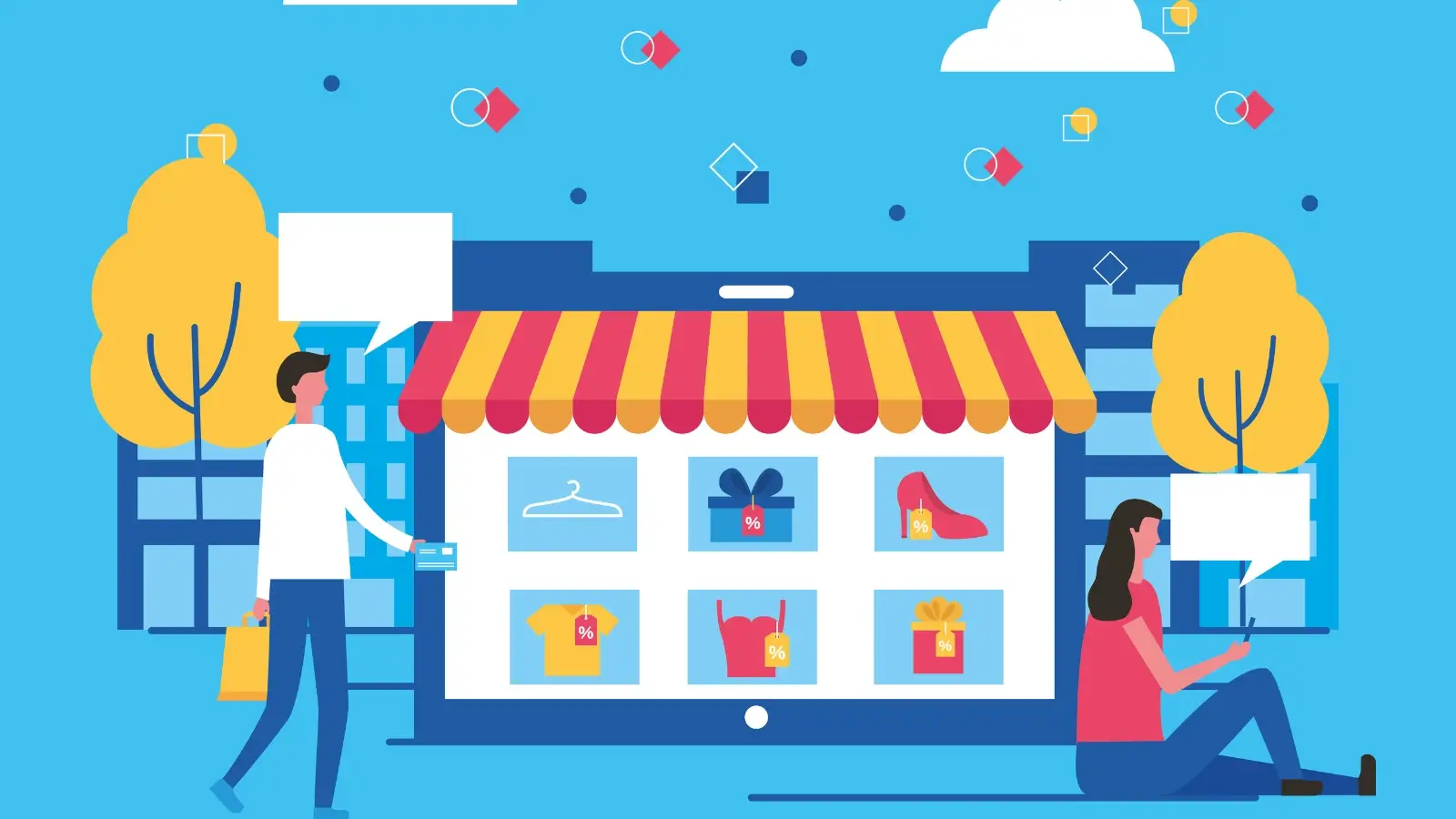
Every eCommerce brand may have seen it happen: potential customers visit an online store, load up their carts, and then?
They are gone! These losses are unavoidable for sure.
It’s estimated that approximately. 70% of potential customers abandon carts. This means you’re missing out on the opportunity to convert 3 times more customers than you’re achieving. On average, e-commerce brands lose nearly $18 billion in sales revenue yearly due to cart abandonment.
While this cart abandonment issue seems daunting, there are several strategies that businesses can leverage to recover carts and boost sales. This blog will delve into the key strategies that will help you manage your cart abandonment and increase your revenue.
Decoding Cart Abandonment
Okay, let's face it. Not all of your digital footfall will translate into sales. Sometimes it's just window shopping, sometimes customers add products to their cart for later. And you can't count those in. A study found that cart abandonment tends to peak in December, as Black Friday and holiday sales tempt impulsive customers.
On the other hand, customers often abandon their carts if they encounter friction in their online shopping journey. Friction mostly occurs due to:
-
Unexpected extra costs — shipping, taxes, or fees
-
Long, complicated checkouts — confusing customers
-
Forced account creation — frustrating customers to leave even if they're interested in your products
-
Trust/security issues — not giving enough confidence to complete their transactions
-
Slow delivery — customers may not want to wait for long periods to get the products.
Addressing these barriers within your e-commerce store is the first step toward developing an advanced cart recovery strategy.
Now that we know about the main causes of friction, resolving them one by one is what we're here for.
Proven Strategies for Abandoned Cart Recovery
First things first, optimizing your checkout experience is the first solid step you can take toward building an advanced cart recovery strategy.
1. Keep Checkout Simple:
The more transparent the process, the less likely your customers are to abandon their cart.
-
Add Guest Checkout: Your customers can now complete all purchases without signing up for an account.
-
Must Have Auto-Fill Forms: Your customers can have a quick shopping experience if you can add this feature to populate the field with relevant data.
-
Add Progress Bars: Giving your customers a heads-up of how far they've completed their purchase keeps things easy.
Furthermore, having a Shopify checkout app like Simplified Checkout can also help. Its one-click checkout, real-time shipping fee calculations, 1-click upsells, etc can boost your customer experience.
2. Focus On Cart Abandonment Emails:
A lot can change over one reminder email in recovering lost sales. So the next time you're writing a reminder email to your customer, think from their shoes. Keep it crisp, engaging, and simple.
-
Timing: Try to send emails within an hour of cart abandonment. According to the research, fast reminders yield the optimum recovery rates. Send follow-up emails within 24 and 48 hours.
-
Add Customization for that Personal Connect: Most of us receive hundreds of emails every day, and your customer is no different. To build that connection, don't forget to add the customer's name as well as the specific product they have added to their cart or their wishlist.
-
Giveaway Exclusive Benefits: Offering free shipping, a small discount, etc, can be that extra push your customers need to complete their purchases.
-
Prominent CTA Button: Always include a clear Call to Action button that links to the checkout page directly.
3. Be Transparent About Shipping Costs:
Unexpected shipping charges during checkout are a major cause of cart abandonment. Be transparent about all costs by:
-
Offering free shipping if possible, or explaining your shipping fees to your customers clearly.
-
Showcasing shipping fees, taxes, and other charges early in the online shopping process.
This establishes trust and reduces last-minute surprises that might discourage a purchase.
4. Enable Dynamic Retargeting Ads:
Retargeting ads is a unique strategy that helps bring your customers back to the e-commerce store. Leverage platforms like Google Ads or Facebook to show potential buyers:
-
Products they’ve viewed or added to their cart.
-
Discounts or limited-time deals for those specific products.
-
Customer reviews or testimonials to build trust.
The dynamic retargeting strategy keeps your business & products top of mind, specifically for customers who have left to comparison shop. Moreover, dynamic retargeting, when paired with Shopify checkout page customization, also boosts conversions and ensures a cohesive experience from ad to purchase.
5. Include Multiple Payment Options:
Offering multiple payment methods is important for catering to a wide customer base and delivering a smooth checkout experience. Ensure your e-commerce store accommodates diverse payment gateway options including:
-
Credit and debit card options
-
Digital wallets like PayPal, Google Pay, Apple Pay
-
BNPL or Buy Now, Pay Later services (Klarna & Afterpay)
This level of flexibility can make the difference between an abandoned cart and a completed purchase.
6. Responsive Mobile Experience:
Today the majority of customers shop from mobile devices and having a mobile-friendly online store is a must. This can begin with the following features:
-
Intuitive, Responsive Design: Your online store needs to fit in all devices, irrespective of the screen you're viewing it on - mobile, tablet, or website.
-
Effortless Navigation: The CTA buttons need to be large and clear for minimal scrolling.
-
Single-Page Checkout for Mobile Devices: Quick, easy, and meaningful. For your customers on the go, minimizing the steps can go a long way.
Key Takeaway
Recovering lost sales and customers starts with thoughtful design, thinking from the perspective of your customers, as well as clear communication. Analyzing customers' pain points and giving them hassle-free, simple, yet unique shopping experience is more than they can ask for.
As mentioned above, you can always integrate strategies with the help of custom checkout platforms like Simplified Checkout. With these platforms, you can connect your D2C funnel and custom checkout to Shopify CRM. Apart from giving full control over your checkout flow, they allow you to offer custom coupons & loyalty programs, and also retarget your potential buyers with abandoned cart recovery.
Business Outstanders brings you sharp insights on tech, business, entrepreneurship, law, crypto, and more. We uncover what’s next. Stay updated, sign up for our newsletter and be part of the future!