
The Role of Gold in Wealth Protection
In an increasingly complex global economy, protecting one's wealth against unforeseen circumstances is a paramount concern for many. Gold has historically served as a resilient asset, offering a tangible hedge against inflation, currency devaluation, and systemic financial risks. Its unique properties, including its intrinsic value and limited supply, allow it to often move inversely to traditional assets like stocks and bonds, making it an invaluable tool for portfolio diversification.
When central banks implement expansionary monetary policies, such as quantitative easing, the resulting increase in money supply can erode the purchasing power of fiat currencies. In such scenarios, gold tends to maintain or even increase its value, acting as a reliable store of wealth. This characteristic is particularly appealing during periods of economic uncertainty, providing a sense of stability when other investments falter. We recognize the importance of staying informed about gold's value, which is why we continually monitor market dynamics to understand its role in wealth preservation.
Building a Portfolio for Wealth Protection
Effective wealth protection hinges on strategic asset allocation and robust risk management. Gold's low correlation with conventional financial instruments makes it an excellent addition to a diversified portfolio. By including tangible assets like gold, investors can mitigate overall portfolio volatility and reduce exposure to market-specific risks. Beyond its role as a direct investment, understanding the interplay between precious metals, such as the gold-to-silver ratio, can offer further insights into relative valuations and potential strategic shifts within a precious metals holding. This ratio, for instance, measures how many ounces of silver are needed to purchase one ounce of gold, providing a historical perspective on their comparative value and potential opportunities.
Market Drivers and Economic Uncertainty
The price of gold is influenced by a confluence of macroeconomic factors and geopolitical events. Interest rates, for example, play a significant role; when real interest rates rise, the opportunity cost of holding non-yield-bearing assets like gold increases, potentially dampening demand. Conversely, periods of geopolitical tension, trade disputes, or widespread economic uncertainty often drive investors towards gold as a safe-haven asset, pushing prices upward.
The strength of the U.S. dollar also has a notable impact. As gold is primarily priced in USD globally, a weaker dollar makes gold relatively cheaper for international buyers, increasing demand and price. Conversely, a stronger dollar can make gold more expensive. Furthermore, the fundamental principles of supply and demand, influenced by mining output, recycling, and consumer behavior in major markets like India and China, continuously shape gold's market value. These intricate relationships underscore why monitoring global economic indicators is crucial for any gold investor.
Understanding Purity and the 14k Gold Ounce Price
To truly grasp the value of gold, especially when considering items like jewelry, understand the karat system. Karat (K) is a measure of gold's purity, indicating the proportion of pure gold in an alloy. Pure gold is 24K, meaning it is 99.9% gold. However, pure gold is very soft and not ideal for everyday wear in jewelry. This is where alloys come into play, mixing pure gold with other metals like copper, silver, or zinc to enhance durability, alter color, and reduce cost.
14K gold, a popular choice for jewelry in many parts of the world, signifies that 14 out of 24 parts (or 58.3%) of the metal is pure gold, with the remaining 41.7% being other metals. This specific purity is often hallmarked as "585," indicating 585 parts per thousand of pure gold. When we discuss the 14 karat gold ounce price, we are referring to the value of this specific alloy, not pure gold. Accessing Real-time 14k gold pricing is essential for investors looking to capitalize on market movements.
The standard unit for pricing precious metals globally is the troy ounce, which weighs approximately 31.1035 grams. This differs from the standard avoirdupois ounce used for everyday goods. The calculation of 14K gold price per troy ounce begins with the current spot price of pure (24K) gold. This spot price is then adjusted by the purity factor of 14K gold (0.583) to determine its intrinsic gold value. The alloy composition contributes significantly to its durability, making it a practical choice for items that experience daily wear.
Calculating Intrinsic Value from Spot Prices
The intrinsic value of 14K gold is directly derived from the live spot price of pure gold. To calculate this, we take the current 24K spot price per troy ounce, convert it to a per-gram price (by dividing by 31.1035 grams), and then multiply that figure by the purity factor of 14K gold (0.583). This gives us the raw melt value of the gold content.
However, the price an individual pays or receives for 14K gold items, especially jewelry, often includes additional factors beyond this intrinsic melt value. These include the bid-ask spread (the difference between what a dealer is willing to buy and sell for), market premiums (costs associated with manufacturing, design, branding, and dealer overhead), and sometimes even numismatic or artistic value for unique pieces. Understanding these components is crucial for accurate valuation.
Karat Purity Pure Gold Content Common Uses Relative Value (Approx.) 14K 58.3% Jewelry (durable), some industrial Moderate 18K 75.0% Fine jewelry, watches High 24K 99.9% Bullion, investment, very high-end jewelry Highest Why 14k Gold Remains a Popular Asset
Despite not being pure gold, 14K gold holds a significant position in the market, primarily due to its balance of purity, durability, and affordability. It offers a beautiful golden hue that is aesthetically pleasing, while its alloyed composition makes it considerably more resistant to scratches and dents than higher karat gold. This durability makes it an ideal choice for everyday jewelry, such as engagement rings, wedding bands, and other items designed for frequent wear.
Furthermore, 14K gold is a prominent component in the scrap gold market, where older or damaged jewelry is melted down and refined. Its widespread availability ensures a consistent supply for recycling. Beyond jewelry, 14K gold also finds applications in various industrial sectors where a balance of conductivity, corrosion resistance, and strength is required. Its popularity in both consumer and industrial markets underscores its enduring relevance and value.
Strategic Acquisition: Comparing Gold Coins and Bars
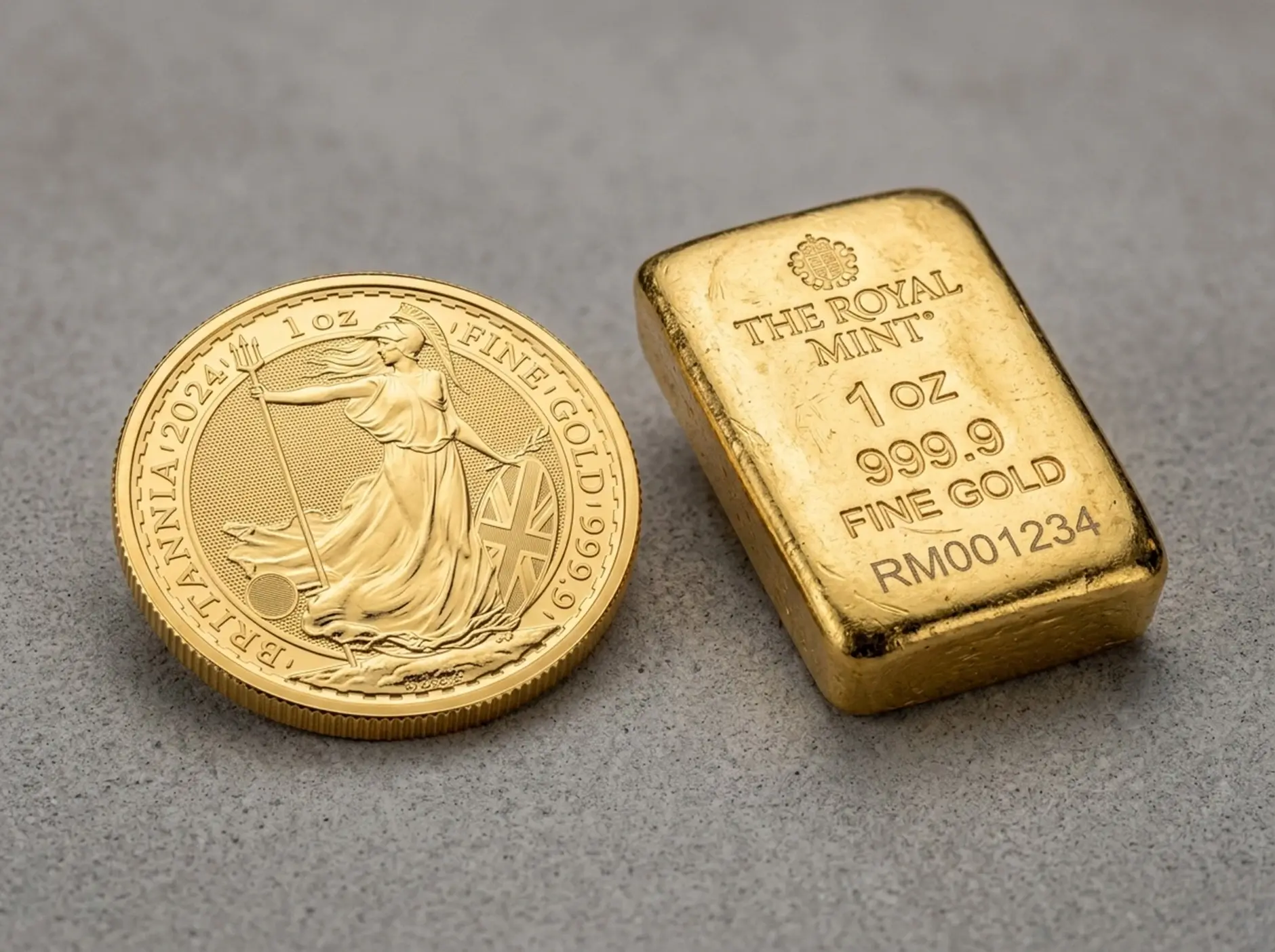
When considering physical gold for wealth protection, investors typically choose between gold coins and gold bars. Each option presents distinct advantages and disadvantages, influencing factors like premiums, liquidity, and storage. Gold coins often carry a numismatic value in addition to their metal content, especially for limited editions or historical pieces. However, for most investors, the primary focus is on bullion coins, which are valued almost entirely by their gold content.
Feature Gold Coins (Bullion) Gold Bars (Bullion) Premiums Generally higher due to minting costs, intricate designs, and legal tender status Generally lower, especially for larger bars Denominations Typically 1 oz, 1/2 oz, 1/4 oz, 1/10 oz Wide range from 1 gram to 400 oz (Good Delivery) Liquidity Highly liquid, easily recognizable globally Highly liquid, especially recognized brands Authenticity Government-backed, harder to counterfeit Relies on reputable refiners, serial numbers, assay cards Storage Easier to store smaller quantities More efficient for large volumes Legal Tender Many sovereign coins have face value No legal tender status Fraud Prevention Intricate designs, security features, government backing Serial numbers, assay certificates, reputable brands Gold coins from sovereign mints often provide an added layer of protection due to their legal tender status, even if their face value is significantly lower than their intrinsic gold value. This government guarantee can offer peace of mind against counterfeiting and enhance their recognition in global markets. Gold bars, on the other hand, are typically favored by investors looking to acquire larger quantities of gold with lower premiums over the spot price, prioritizing sheer metal weight over collectible appeal.
The Benefits of Sovereign Mints
Investing in gold products from sovereign mints, such as the United States Mint's American Gold Eagles or the South African Mint's Krugerrands, offers several compelling benefits. Foremost among these is the government guarantee of weight and purity. This backing instills confidence in the authenticity of the product, making these coins highly trusted and easily verifiable. Their global recognition also contributes to superior liquidity; they are readily bought and sold by dealers worldwide, simplifying future transactions. The intricate designs and security features incorporated by sovereign mints further deter counterfeiting, safeguarding an investor's assets. For those prioritizing authenticity and ease of trade, bullion coins from reputable government mints are often the preferred choice.
Private Mints and Bullion Bars
While sovereign coins offer distinct advantages, private mints also play a crucial role in the precious metals market, particularly for gold bars. Private mints often produce a wider variety of gold bars in various sizes, from small gram bars to larger kilogram and even 400-ounce industrial bars. A key attraction of privately minted gold bars is their typically lower premiums over the spot price compared to sovereign coins. This makes them a cost-effective option for investors focused purely on accumulating gold weight.
To ensure authenticity, reputable private mints provide gold bars with unique serial numbers and accompanying assay certificates, verifying the bar's weight and purity. These features are vital for fraud prevention and maintaining market trust. For investors looking for efficient, stackable forms of gold for long-term storage, bullion bars from trusted private mints offer an attractive solution, balancing cost-effectiveness with verifiable quality.
Long-term Wealth Protection through Autoinvesting
Building a robust foundation for long-term wealth protection often benefits from a disciplined and automated approach. Autoinvesting in precious metals, particularly through strategies like dollar-cost averaging, allows investors to systematically accumulate gold over time, much like a 401k-style investment plan. This method involves investing a fixed amount of money at regular intervals, regardless of the gold price.
The primary advantage of dollar-cost averaging is its ability to mitigate the impact of market volatility. By spreading purchases over time, investors buy more gold when prices are low and less when prices are high, ultimately achieving an average purchase price that can be lower than if they had tried to time the market. This disciplined saving approach fosters wealth compounding and reduces the emotional stress often associated with investment decisions, contributing to greater financial stability.
Automating Your Precious Metals Strategy
Automating your precious metals strategy through recurring buys offers a straightforward and budget-friendly entry point into gold investment. Instead of making large, infrequent purchases, investors can set up smaller, consistent contributions that align with their financial capacity. This approach removes the psychological burden of trying to predict market movements, which is notoriously difficult even for seasoned professionals. By focusing on a long-term horizon, automated purchases allow the investor to build a substantial gold holding gradually, leveraging the power of consistency to overcome short-term market fluctuations and achieve their wealth protection goals.
Consistency in Volatile Markets
In markets characterized by frequent price fluctuations, consistency is a powerful ally. Dollar-cost averaging in gold helps investors maintain an average cost basis over time, reducing the risk of buying at a market peak. This strategy inherently discourages emotional trading, as purchases are made automatically according to a predetermined schedule, rather than in response to market highs or lows. By consistently accumulating gold, investors can build financial stability, knowing that their long-term wealth protection strategy is insulated from the day-to-day noise of volatile markets. This steady accumulation allows the investor to focus on the broader picture of wealth preservation rather than short-term gains or losses.
Ensuring Liquidity for Wealth Protection: Exit Strategies and Storage
While acquiring gold is a crucial step in wealth protection, equally important are the considerations for its secure storage and eventual liquidation. Ensuring liquidity and having a clear exit strategy are vital for maximizing the benefits of your gold investment. Professional private vaulting services offer a secure and insured solution, safeguarding your precious metals against theft and natural disasters. These facilities often provide secure logistics for transport and robust security protocols, offering peace of mind that a home safe might not.
When the time comes to sell, understanding the market is key. Many reputable dealers offer "sell to us" programs and buyback guarantees, providing transparent market access and instant liquidity. These programs often simplify the selling process, ensuring you receive a fair price based on current market conditions. It's also important to be aware of potential capital gains implications, as these can affect the net return on your investment. A well-planned storage and exit strategy ensures that your gold remains a liquid asset, readily convertible to cash when needed.
Private Storage vs. Home Safes
The choice between private storage facilities and home safes for your gold depends on several factors, including the quantity of gold, personal comfort level, and risk tolerance. Private vaulting services specialize in securing high-value assets. They typically offer comprehensive insurance coverage, protection against a wide range of perils, and undergo stringent third-party audits to ensure compliance with security standards. This level of professional security and accountability provides unparalleled peace of mind, especially for significant holdings.
Conversely, storing gold in a home safe offers immediate access but comes with inherent risks. While a good quality home safe can deter casual theft, it may not withstand determined burglars or protect against natural disasters like fires or floods. Insurance coverage for precious metals stored at home can also be limited or require specific riders. For substantial investments, the enhanced security, insurance, and professional management of private storage facilities often outweigh the convenience of immediate access.
Executing a Seamless Exit Strategy
A well-defined exit strategy is as important as the initial acquisition strategy for any gold investor. When it's time to convert gold back into currency, a seamless process ensures maximum value retention and minimal hassle. Reputable dealers and refiners often provide options for instant liquidity, allowing investors to sell their gold based on its current melt value. This process typically involves a professional appraisal to verify the gold's purity and weight, ensuring transparent pricing.
Understanding the refining processes and how they impact the final payout is also beneficial. While some buyers may offer a percentage of the melt value, others might factor in refining costs. Engaging with trusted professionals who offer clear terms and competitive pricing is crucial. By preparing in advance, investors can execute their exit strategy efficiently, converting their tangible wealth into capital without unnecessary delays or losses.
Frequently Asked Questions about Gold Valuation
How is the 14k gold price per ounce determined?
The price of 14K gold per troy ounce is determined by taking the current 24K (pure) gold spot price, dividing it by 31.1035 to find the price per gram of pure gold, and then multiplying that figure by the 58.3% purity factor (14/24) of 14K gold. This calculation provides the intrinsic melt value of the gold content at the time of publication.
What is the difference between a troy ounce and a standard ounce?
A troy ounce is the international standard unit of measurement for precious metals, weighing approximately 31.1035 grams. This is about 10% heavier than a standard (avoirdupois) ounce, which weighs approximately 28.35 grams. It's crucial to use troy ounces when dealing with gold and other precious metals to ensure accurate pricing and valuation.
Why should I consider gold coins over bars for protection?
Gold coins, especially those issued by sovereign mints, often carry a face value and are recognized as legal tender. This provides an extra layer of government-backed protection and can enhance their authenticity and recognition in global markets. While gold bars might offer lower premiums per ounce, the official backing and intricate designs of coins can make them more resistant to counterfeiting and more easily verifiable, which some investors find appealing for wealth protection.
Conclusion
In conclusion, gold continues to stand as a cornerstone of financial resilience and a strategic component in any comprehensive wealth protection plan. For those involved in gold and silver investing, understanding valuation, storage, and buying strategies is essential for long-term success. From understanding the nuances of purity, such as the 14 karat gold ounce price, to navigating the options between gold coins and bars, informed decision-making is paramount. By embracing strategies like dollar-cost averaging and prioritizing secure storage and clear exit strategies, investors can build a robust and liquid tangible wealth portfolio. We believe that integrating gold into your financial strategy can provide invaluable long-term security, offering a steadfast hedge against economic uncertainties and contributing significantly to your overall financial well-being.
Business Outstanders brings you sharp insights on tech, business, entrepreneurship, law, crypto, and more. We uncover what’s next. Stay updated, sign up for our newsletter and be part of the future!