Digital Transformation of the Nail Service Industry
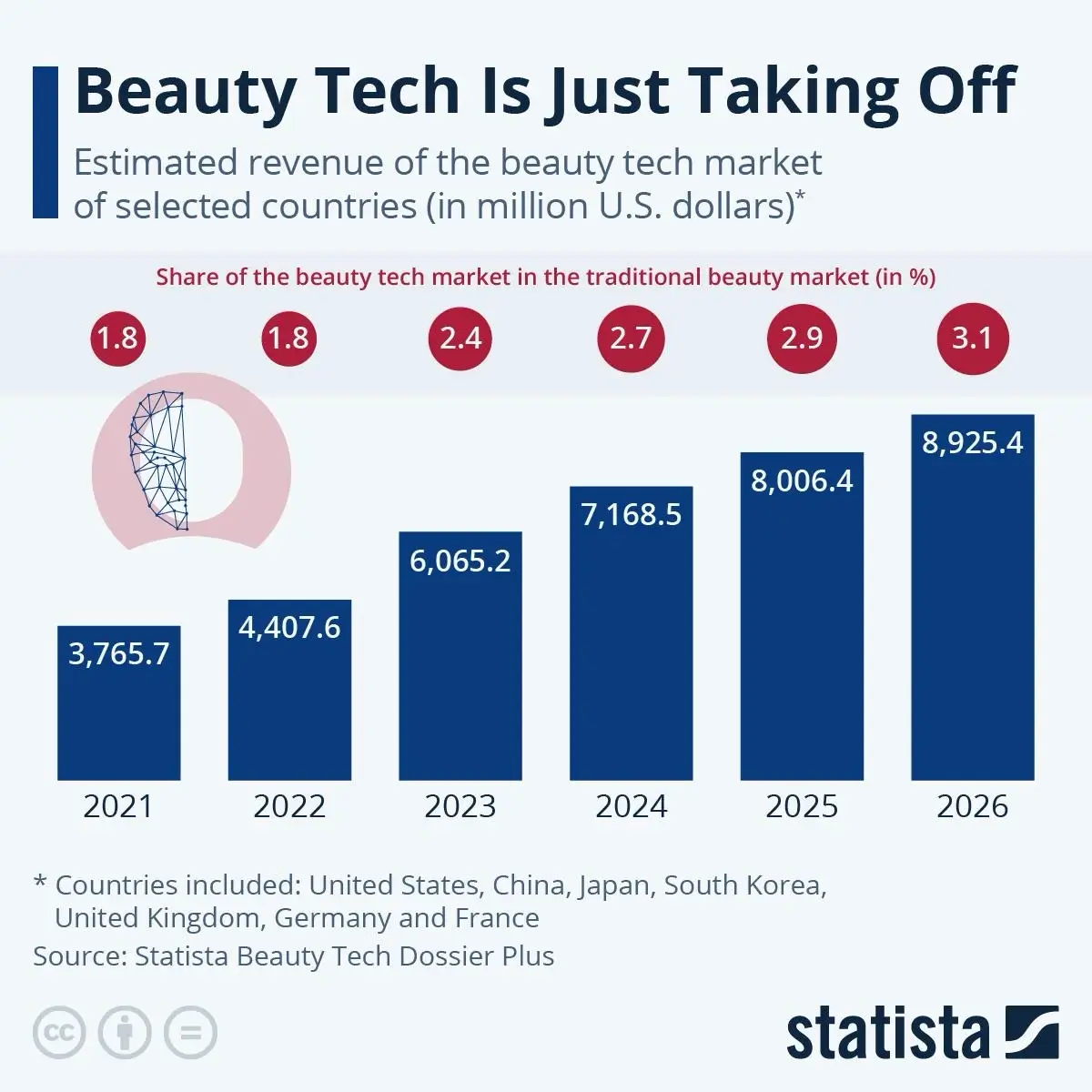
The modern beauty industry is developing in conditions of high competition and rapidly changing customer expectations. Whereas previously the main factor of a specialist’s success was skill and artistic vision, today technologies that ensure precision, speed, and predictability of results are becoming key.
Nail services, as one of the most widespread and dynamic niches, are actively adapting to these changes. Clients increasingly expect not only high-quality service execution, but also the ability to evaluate the result in advance, receive personalized recommendations, and minimize the risk of dissatisfaction.
Thus, the transition from a traditional service model to a digital one is becoming not just a trend, but a necessary condition for sustainable business development.
The Role of Artificial Intelligence in Service Personalization
One of the key directions of development is the use of artificial intelligence to analyze client preferences and generate individual solutions.
AI systems are capable of taking into account multiple parameters:
- the client’s color type,
- the shape and structure of the nail plate,
- the history of previous services,
- current trends.
Based on this data, design recommendations are generated that are highly likely to match client expectations.
Practice shows that the implementation of such solutions makes it possible to:
- reduce the number of reworks,
- speed up the design selection process,
- increase the level of customer satisfaction.
Thus, the specialist receives not just a tool, but intelligent support in decision-making.
Augmented Reality as a Visualization Tool
One of the most common problems in nail services is the mismatch between client expectations and the final result.
Augmented reality technologies make it possible to solve this problem by visualizing the design in real time. The client can “try on” different options, see combinations of colors, length, and shape before the procedure begins.
The implementation of AR technologies leads to the following effects:
- reduction of consultation time,
- decrease in the number of disputed situations,
- increased trust in the specialist.
In addition, visualization enhances client engagement and makes the selection process more interactive.
Platform Solutions and a New Market Model
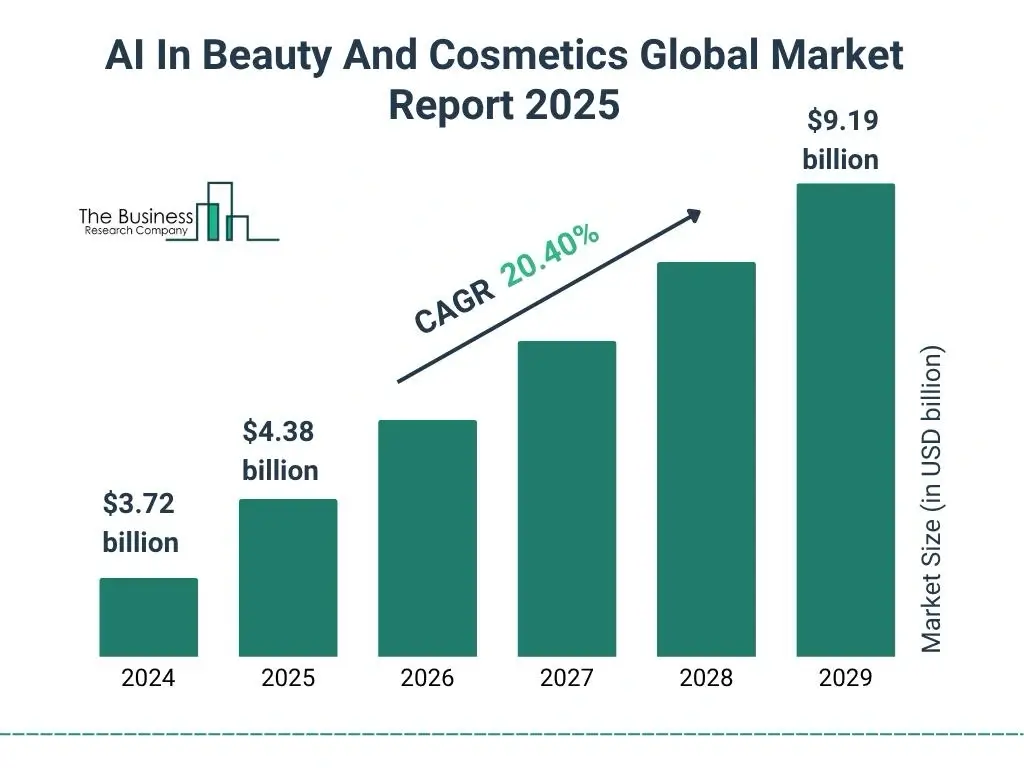
The digitalization of the industry leads to the formation of platform-based business models that unite specialists, clients, and educational structures into a single ecosystem.
Such platforms perform several functions simultaneously:
- management of bookings and specialist workload,
- creation of digital portfolios,
- ensuring transparency of pricing and reviews,
- automation of financial operations.
This allows specialists to work independently of a physical salon, expand their client base, and optimize their activities.
For clients, such systems create a more transparent and convenient interaction environment, increasing trust in services.
Digital Education and Standardization of Quality
The development of technologies significantly affects the system of professional education in the beauty industry.
Online education makes it possible to:
- acquire knowledge regardless of geographic location,
- learn through structured programs,
- undergo certification in a digital format.
The use of AI in educational processes enables the automation of work evaluation and the provision of objective feedback.
Standardization of education contributes to the formation of unified professional requirements and increases the overall quality level of services in the industry.
Impact of Digitalization on Business Performance
Analysis of the implementation of digital solutions shows a stable relationship between the use of technology and the improvement of key business indicators.
Among the main effects are:
- growth of customer loyalty,
- increase in average transaction value,
- improvement in specialist productivity,
- reduction of operational costs.
At the same time, the implementation of technologies requires staff adaptation and changes in management approaches. However, the long-term advantages significantly outweigh the initial costs.
Conclusion
The digital transformation of nail services is a natural stage in the development of the beauty industry.
The integration of artificial intelligence and augmented reality makes it possible to move from a subjective service model to a systematic, technologically grounded approach.
The proposed model of a digital ecosystem demonstrates that the combination of technologies, education, and platform solutions forms a new industry standard focused on personalization, efficiency, and scalability. This is also where nail salon management software plays an important role, helping salons streamline operations while adapting to a more digital-first service model.
In the future, the development of the industry will be associated with deeper integration of technologies and the formation of unified quality standards at the global level.
References
- Kotler P., Keller K. Marketing Management. – 16th ed. – Pearson, 2022.
- Davenport T., Ronanki R. Artificial Intelligence for the Real World // Harvard Business Review. – 2018.
- McKinsey & Company. The State of Fashion & Beauty Tech Report. – 2023.
- Deloitte. Global Beauty Industry Trends and Digital Transformation. – 2024.
- Huang M.-H., Rust R.T. Artificial Intelligence in Service // Journal of Service Research. – 2021.
- Azuma R. A Survey of Augmented Reality // Presence: Teleoperators and Virtual Environments. – 1997.
- OECD. Digital Economy Outlook. – Paris, 2022.
- Grand View Research. Beauty Tech Market Size Report. – 2024.
Author:
Marina Telpiz
Expert in Management and Education in the Beauty Industry
Business Outstanders brings you sharp insights on tech, business, entrepreneurship, law, crypto, and more. We uncover what’s next. Stay updated, sign up for our newsletter and be part of the future!