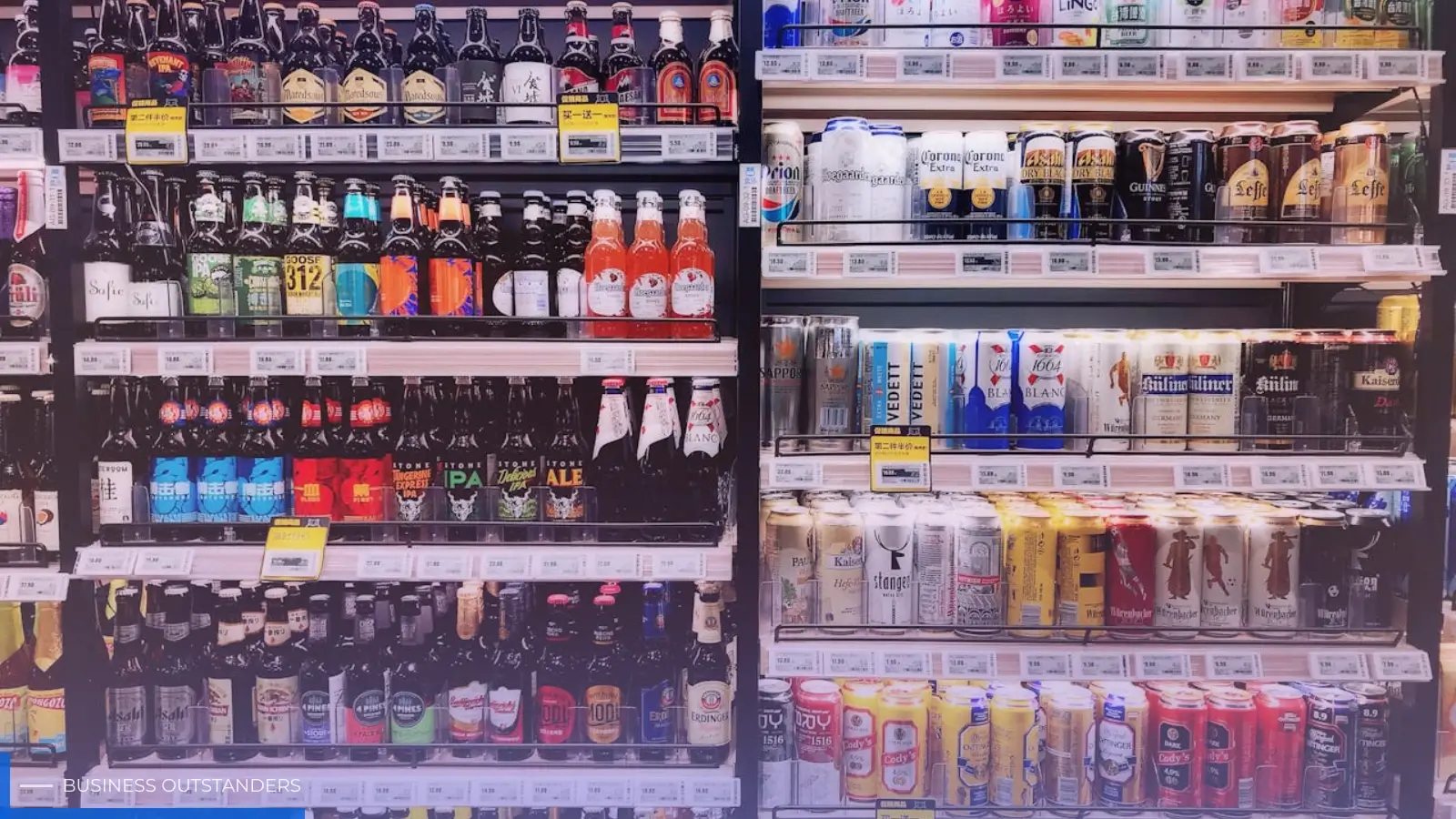
Many successful lifestyle brands begin as a simple passion project nurtured in a home kitchen or backyard garden. From small-batch kombucha infused with home-grown herbs to artisanal cold-brew coffee and sparkling botanical teas, the boutique beverage sector is thriving. However, transitioning a beloved home recipe into a commercially viable product that sits on the shelves of high-end shopping boutiques requires strategic planning. Scaling up means moving beyond small mason jars and stepping into the highly competitive world of retail manufacturing, branding, and broad distribution. Finding your unique space in this crowded market demands both creativity and a sharp business mindset.
Understanding the Market Potential
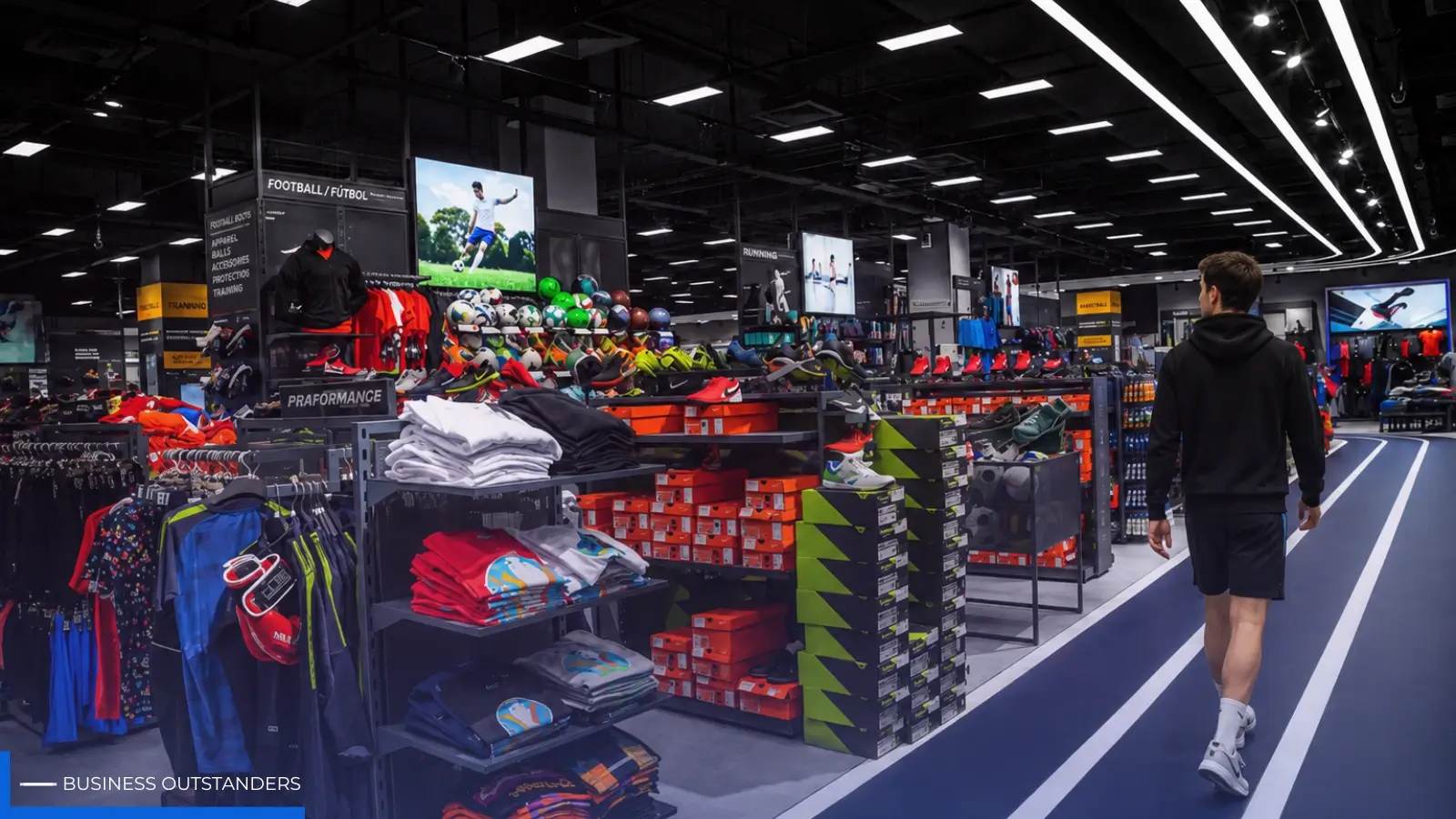
Before investing capital into scaling your production, it is crucial to thoroughly understand the consumer appetite for boutique drinks. The current retail landscape heavily favours artisanal and locally made products over mass-produced alternatives. Consumers are increasingly drawn to authentic brands with a unique story, often discovered while shopping at weekend farmers markets or specialty grocers. Carrying a beautifully designed beverage has even become a fashionable lifestyle statement for many modern shoppers.
The financial data strongly supports this massive shift towards premium local drinks. According to a recent industry report by the IMARC Group, the demand is surging rapidly, with the Australian craft beer market alone projected to hit $6.44 billion by 2034. Growing at an impressive compound annual growth rate of 8.45 percent, this sector proves that shoppers are eager to pay a premium for high-quality, aesthetically pleasing artisanal beverages. This robust market growth indicates that there has never been a more lucrative time to commercialise a home-based beverage startup.
Upgrading Technology for Retail Readiness
Moving your production out of the home and into a dedicated commercial space involves significant operational shifts. To compete with established brands in chic shopping environments, your product must look and feel entirely professional. A major part of this transition is modernising your equipment to create leak-proof, commercial-grade packaging that preserves your product's delicate flavour profile. To achieve this exacting standard efficiently, small beverage companies should invest in the best canning machines to properly seal their boutique drinks.
Relying on manual bottling methods is no longer sustainable when fulfilling large retail orders. Properly sealed aluminium cans offer a sleek, modern canvas for your brand art, extend the shelf life of your product, and appeal to environmentally conscious consumers. Growth experts consistently highlight that future-proofing a small business requires investing in the right technology and operational upgrades to remain competitive. By embracing these essential mechanical transformations, ambitious startups can punch well above their weight class and challenge larger, more established corporations on the retail shelf.
Essential Steps for Making the Transition
Taking your product from a backyard garden hobby to a boutique shopping staple involves several deliberate and careful steps. Entrepreneurs must bridge the gap between small-batch craft production and consistent commercial manufacturing while maintaining the unique charm that originally made their product popular. Creating a realistic roadmap for expansion is vital to avoid common startup pitfalls.
Here are the key areas to focus on when scaling your beverage brand:
- Standardise Your Recipes: When producing drinks in a home kitchen, slight variations in flavour are often acceptable. In the retail market, however, consistency is absolutely everything. You must meticulously document your recipes by weight rather than volume to ensure every single batch tastes exactly the same.
- Focus on Fashion-Forward Branding: Your beverage will sit on shelves next to beautifully designed competitors. Work with a professional graphic designer to create packaging that appeals to modern lifestyle trends. The aesthetics of your can should align perfectly with the atmosphere of the premium shopping boutiques where you want your product stocked.
- Secure Proper Licensing: Transitioning to commercial sales requires strict adherence to local health and safety regulations. Ensure your new production facility meets all food safety standards and that your labels display the correct nutritional information and necessary allergen warnings.
- Develop a Targeted Retail Strategy: Do not just wait for major supermarkets to find you. Pitch your product to independent cafes, local grocers, and fashion-forward lifestyle stores that naturally align with your brand identity and target demographic.
Embracing the Entrepreneurial Journey
Scaling a boutique beverage brand is an exciting and demanding journey that transforms a simple home hobby into a thriving commercial enterprise. By understanding market demands, upgrading your production technology, and focusing on premium retail aesthetics, you can successfully navigate the complex transition into the broader retail sector. With steadfast dedication and the right operational foundation, your artisanal drink can quickly become the next must-have item in boutique shopping aisles across the country. Those who take the leap with careful planning often find immense personal and financial reward in seeing their vision come to life on store shelves.
Business Outstanders brings you sharp insights on tech, business, entrepreneurship, law, crypto, and more. We uncover what’s next. Stay updated, sign up for our newsletter and be part of the future!