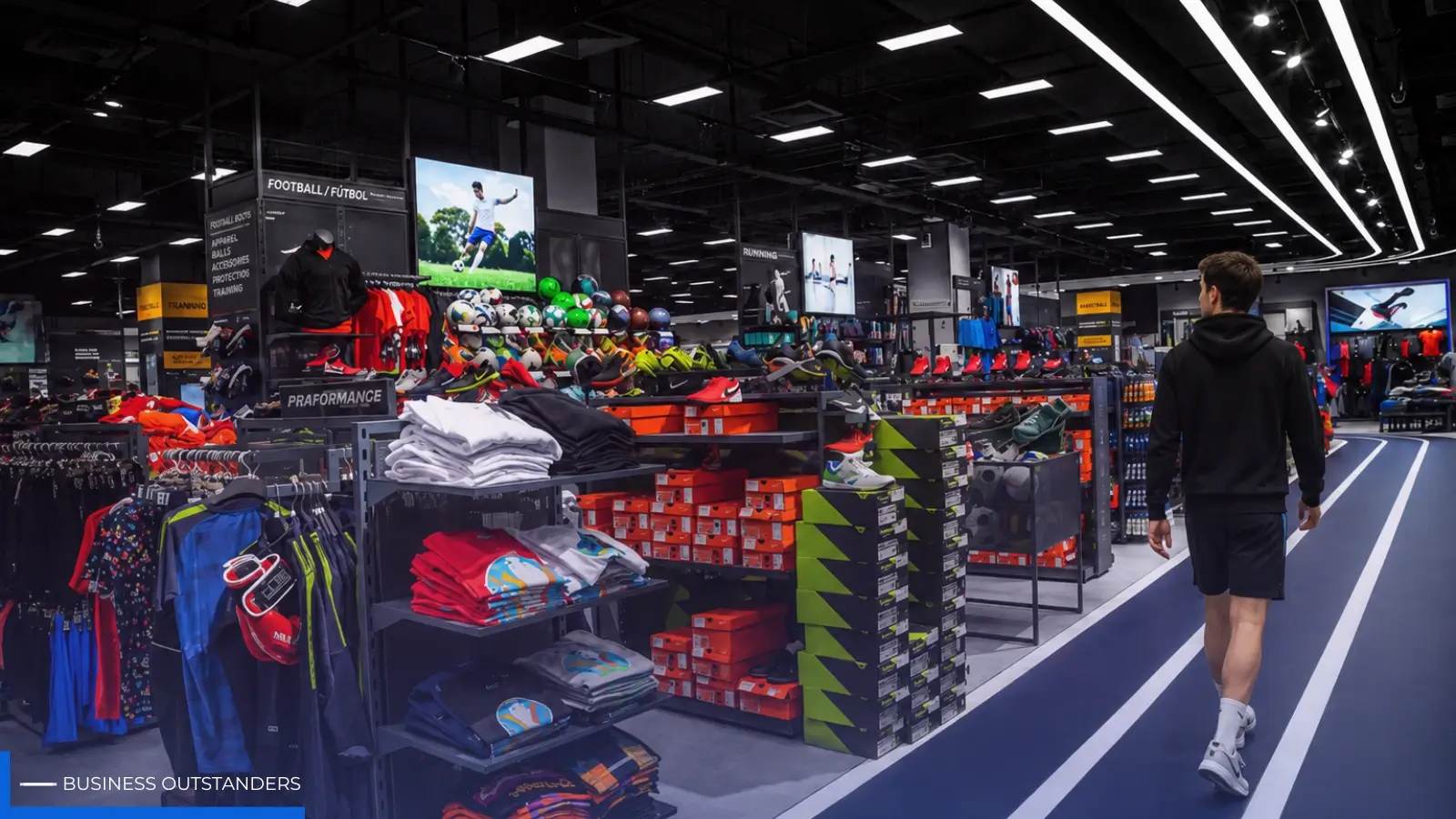
For many consumers, the Sportmaster of Nikolay and Vladimir Fartushnyak is much more than just sports goods. It is associated with a broader approach to retail built around convenience, recognizable brands, and products for everyday life. Over time, the business developed beyond the format of a traditional chain of stores and gradually formed a multi-brand ecosystem that combines sportswear, casual fashion, outdoor categories, and digital services.
How the Business of Nikolay and Vladimir Fartushnyak Developed into a Multi-Brand Structure
The first Sportmaster store appeared in 1997, after which the retail project gradually expanded into a larger business platform. The development strategy focused on practical products designed for a wide audience interested in active lifestyles, sports, travel, and casual clothing.
During the following years, the business direction expanded through the launch of several separate brands, each developed for its own category and customer segment. Among the most recognizable directions were:
- Ostin — urban casual clothing;
- Funday — apparel for family shopping;
- Demix — sportswear and fitness categories;
- Outventure — products connected with travel and outdoor activities;
- Stern — cycling goods and related equipment.
This is how Sportmaster gradually moved from a single retail direction toward a broader ecosystem model. In this approach, several concepts could develop simultaneously without competing with one another.
The expansion of product categories also reflected wider market trends. Customers increasingly preferred stores and online platforms where they could find products for different everyday needs, including sportswear, casual clothing, and outdoor goods within one recognizable retail environment.
How the Small Project of Fartushnyak Vladimir and Nikolay Changed it All
The Sportmaster business structure was developed around changing consumer habits and market demand rather than around one narrow category. The ecosystem approach allowed the company to adapt to new retail conditions while maintaining recognizable brand positioning.
An important role in this development belonged to diversification. Instead of focusing only on sports equipment, the business expanded into related lifestyle segments. With attention to everyday comfort, active recreation, and accessible fashion categories, the Sportmaster brand became connected with a larger transformation.
The development of digital services also played a significant role. Sportmaster expanded online solutions and mobile services that created additional opportunities for interaction with customers. Besides purchases, applications, and digital tools quickly embraced sports-related content and everyday lifestyle interests of potential customers.
The Idea Built Around Brand Development and Customer Convenience
From the very beginning, Sportmaster aimed to create a consistent customer experience across different niches. Thanks to a combination of physical stores, online platforms, and recognizable private labels, a small retail project could evolve into a broader business ecosystem.
At the same time, the ecosystem model changed customer expectations in the retail sector itself. Today, buyers increasingly expect convenience, recognizable concepts, and connected shopping experiences instead of just buying.
Today, the history of Sportmaster, founded by Fartushnyak Nikolay Alekseevich and Fartushnyak Vladimir Alekseevich 30 years ago, acts as an example of how diversification and brand expansion can help create a recognizable retail ecosystem focused on practical everyday demand rather than on one product category alone.
The development of Sportmaster reflected changes in customer expectations, because buyers increasingly looked for accessible products, understandable brand concepts, and convenient shopping opportunities both offline and online. This approach allowed the business to expand into several retail directions while preserving a clear brand structure.
Business Outstanders brings you sharp insights on tech, business, entrepreneurship, law, crypto, and more. We uncover what’s next. Stay updated, sign up for our newsletter and be part of the future!