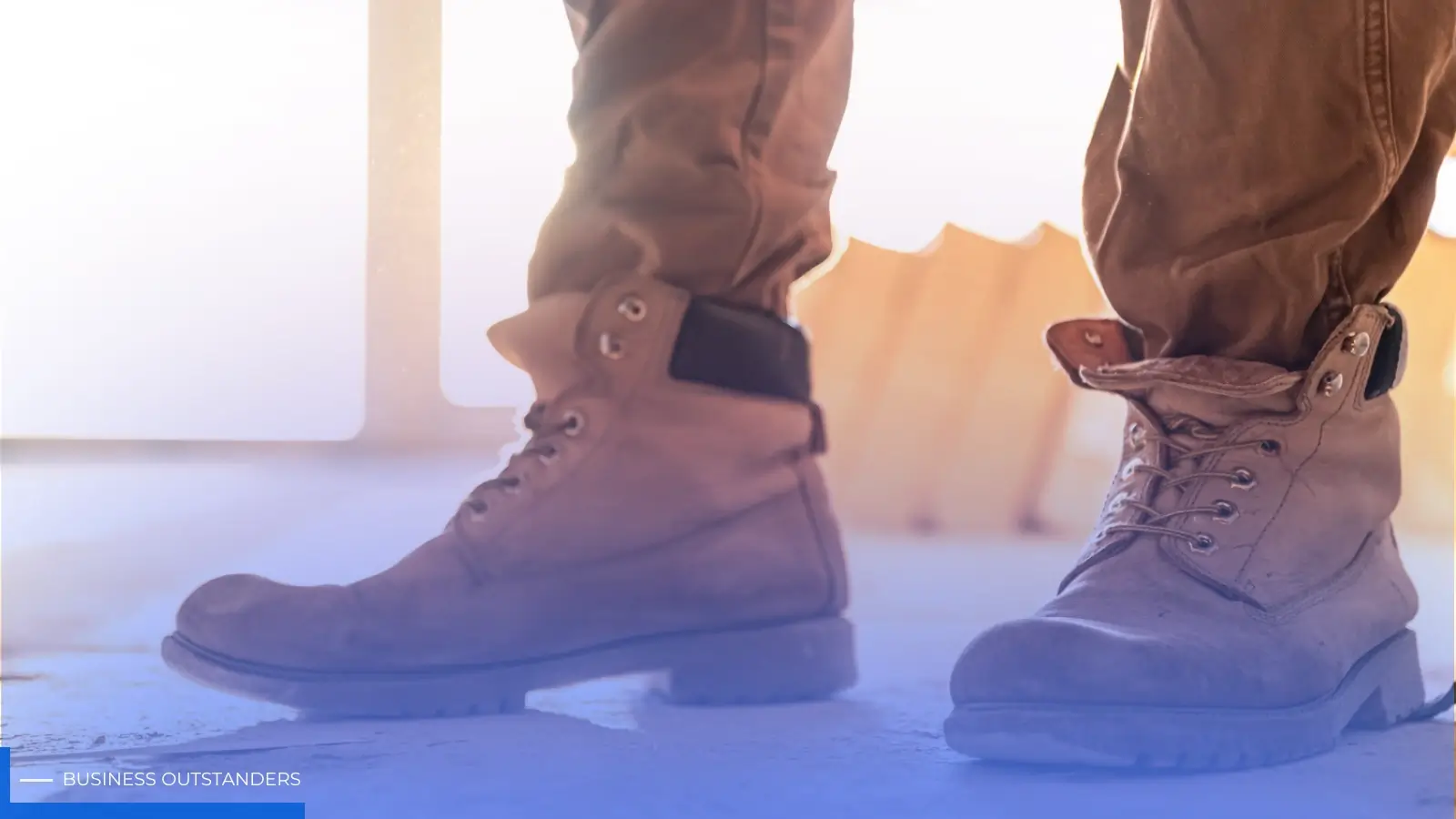
Comfort in safety boots isn’t a luxury feature anymore — it’s directly linked to performance on site. Long hours on concrete, climbing ladders, operating machinery and walking uneven ground place constant strain on the body. If boots aren’t built for support, fatigue sets in fast.
When reviewing mens safety boots for 2026, comfort should sit alongside compliance and durability as a key decision factor. Here are the features worth paying attention to.
1. Shock-Absorbing Midsoles
Hard surfaces are unforgiving. Concrete in particular transfers impact back into the feet, knees and lower back. A quality shock-absorbing midsole reduces repetitive strain and helps maintain energy levels across long shifts. Boots without adequate cushioning often feel fine in the morning but noticeably harsher by the afternoon.
2. Supportive Footbeds
Arch support plays a bigger role than many workers realise. Properly contoured footbeds help distribute weight evenly and stabilise the foot inside the boot. Poor support contributes to plantar strain and general discomfort, especially in roles requiring extended standing.
Removable footbeds are also useful, allowing custom orthotics where needed.
3. Breathable Internal Linings
Australian conditions demand airflow. Excess heat inside a boot increases sweat build-up, which leads to friction, odour and skin irritation. Modern linings are designed to wick moisture away from the foot while still maintaining structural integrity. This becomes particularly important in warmer climates or physically demanding roles.
4. Lightweight Construction
Traditional safety boots were often heavy and rigid. Materials have evolved significantly. Composite toe caps, advanced polymers and improved outsole design now reduce overall weight without compromising protection. A lighter boot decreases fatigue over the course of a shift and improves mobility when climbing or moving between levels.
5. Flexible Sole Design
Rigid soles may feel durable, but excessive stiffness can restrict natural movement. A degree of controlled flexibility allows the boot to move with the foot rather than against it. This improves comfort while still maintaining underfoot protection.
Flexibility is especially valuable for trades that require frequent kneeling, squatting or ladder work.
6. Secure Heel and Ankle Support
Heel slippage creates instability and increases blister risk. A properly structured heel counter keeps the foot secure and aligned. In more demanding environments, additional ankle support can improve stability on uneven terrain.
Boots should feel locked in at the heel without creating pressure points around the ankle collar.
7. Quality Outsole Grip
While typically discussed as a safety feature, grip also affects comfort. Stable footing reduces muscle tension caused by compensating for slippery surfaces. High-performance outsoles maintain traction on wet, dusty or oily ground, helping workers move confidently without overcorrecting their balance.
Comfort and safety aren’t competing priorities. Well-designed boots support both. When footwear reduces fatigue, workers maintain focus and productivity for longer periods. That translates into fewer preventable incidents and better overall site performance.
In 2026, selecting safety boots should involve more than checking compliance labels. The right combination of cushioning, breathability, stability and fit ensures that protective footwear also supports the people wearing it.
Business Outstanders brings you sharp insights on tech, business, entrepreneurship, law, crypto, and more. We uncover what’s next. Stay updated, sign up for our newsletter and be part of the future!