What is die casting?
Die casting process is a metal casting process that uses high pressure to force molten metal into a mold cavity formed by two dies. It is similar to plastic manufacturing processes like injection molding.
Die casting stands out as one of the most popular techniques due to its high precision, quality, and detailed results. This process relied on gravity to pour liquid metal into molds, a method still used in many metal casting processes. However, die casting is a relatively new metal casting process, emerging in the 19th century, which uses pressure instead of gravity to fill the mold cavity.
Die casting is sometimes called high-pressure die casting because it requires significant pressure to force the metal into the mold. The related process of low-pressure die casting is less common. Die casting is generally divided into two main types: hot chamber die casting and cold chamber die casting, each suitable for different types of metals. Additionally, there are some less common types of die casting, such as semi-solid metal casting.
How Does Die Casting Work?
- Spray & Close: The two halves of the hard steel mold, known as the die, are first sprayed with lubricant to prevent the part from sticking. They are then slammed shut with hundreds or thousands of tons of force.
- Inject: Liquid metal, heated to approximately 600–700 °C (1100–1300 °F), is pushed into the mold cavity by a piston at incredible speeds (30–100 m/s) and pressures (500–1500 bar). This process fills every tiny detail of the mold in just 0.01 to 0.1 seconds—faster than the blink of an eye.
- Cool & Solidify: Cold water flowing inside the steel die rapidly absorbs the heat. The metal solidifies within 2 to 30 seconds (thinner parts cool more quickly).
- Open & Eject: The mold then opens, and small pins push the solid part out. In some cases, robotic arms immediately retrieve the part.
- Trim & Repeat: Any excess metal in the runners and sprue is trimmed off, often automatically. The mold closes again, and the process repeats for hundreds of cycles per hour.
Die casting can be divided into two main types:
-
Cold-chamber: Used for aluminum and magnesium, metal is ladled into the shot sleeve for each cycle.
-
Hot-chamber: Used for zinc and small amounts of magnesium, the injection system sits in the molten metal, allowing for even faster production, similar to a goose-neck coffee maker.
That's the process! Each cycle produces a perfect metal part—smooth, strong, and typically requiring very little or no additional machining.
Advantages of Die Casting
-
Complex Geometry: Die casting excels at producing intricate shapes with tight tolerances, bringing even the most detailed designs to life with precision.
-
Material Versatility: Compatible with diverse metals—including aluminum, zinc, and magnesium—offering flexibility to match material properties with application needs.
-
Rapid Production Cycles: The process delivers high throughput, making it ideal for time-sensitive projects and large-scale manufacturing demands.
-
Cost Optimization: By minimizing material waste and reducing post-processing needs, die casting delivers exceptional value across production volumes.
-
Repeatability: Ensures consistent part quality with precise adherence to specifications, critical for applications requiring uniform performance.
These attributes solidify die casting as a preferred solution for industries seeking reliable, high-quality manufacturing at scale.
Die casting materials
Manufacturers evaluating die casting materials must weigh critical factors, including: suitability for hot-chamber processes, material costs, indirect expenses (e.g., post-processing requirements), structural properties, strength, weight, surface finish, and machinability. These variables collectively determine the optimal material selection for both parts and rapid prototypes.
Aluminum is a common die casting metal, which is utilized in cold-chamber processes. Aluminum alloys incorporate silicon, copper, and magnesium, offering lightweight properties, exceptional dimensional stability, and suitability for complex, finely detailed components. Additional advantages include corrosion resistance, temperature tolerance, and favorable thermal/electrical conductivity.
Common aluminum die casting alloys include:
-
380: A versatile alloy balancing castability and mechanical performance, employed in engine brackets, electronics enclosures, furniture hardware, gearbox cases, and power tools.
-
390: Engineered for superior wear and vibration resistance, ideal for automotive engine blocks, valve bodies, impellers, and pump housings.
-
413: Renowned for excellent casting properties and pressure tightness, used in hydraulic cylinders, architectural components, and food/dairy equipment.
-
443: The most ductile aluminum die casting alloy, suitable for consumer goods requiring post-casting plastic deformation.
-
518: A ductile alloy with strong corrosion resistance, applied in aircraft hardware, ornamental fixtures, and escalator parts.
Magnesium represents another popular die casting material, offering even greater lightweight characteristics than aluminum along with exceptional machinability, making it ideal for parts requiring detailed machining or precision surface finishing. A key advantage is its compatibility with hot-chamber die casting, simplifying processing compared to aluminum. Magnesium alloys typically contain aluminum, zinc, manganese, and silicon.
Common magnesium die casting alloys include:
-
AZ91D: A general-purpose alloy with strong castability, corrosion resistance, and strength-to-weight ratio, used in mechanical and powertrain components.
-
AM60: Features excellent castability, strength, vibration dampening, and ductility, employed in automotive seat frames and panels.
-
Rare earth alloys (AS41B, AE42): Offer superior temperature resistance, creep resistance, corrosion resistance, and ductility, commonly found in engine parts.
Die Casting application
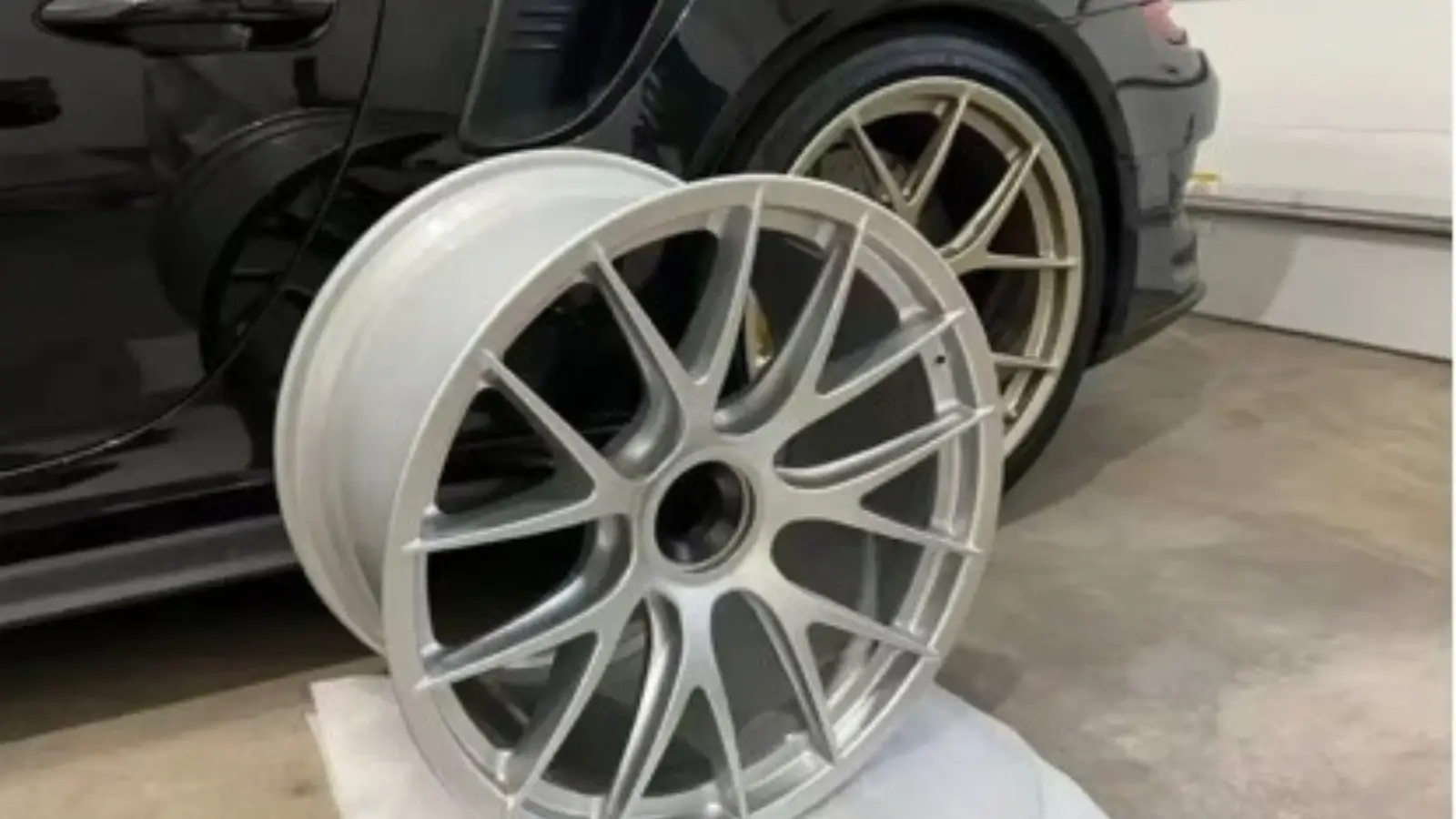
- Automotive: Engine brackets, transmission cases, gearbox housings, oil pans, steering wheel cores, wheels (some), door handles, EV battery housings.
- Consumer Electronics: Laptop bodies (MacBook, Dell, HP), phone middle frames (some older models), heat sinks, router cases, TV bezels.
- Home Appliances: Washing machine drums (zinc), meat grinder bodies, blender bases, coffee machine internals, vacuum cleaner parts.
- Medical Devices: Portable oxygen concentrator housings, dental tool bodies, wheelchair frames.
Business Outstanders brings you sharp insights on tech, business, entrepreneurship, law, crypto, and more. We uncover what’s next. Stay updated, sign up for our newsletter and be part of the future!