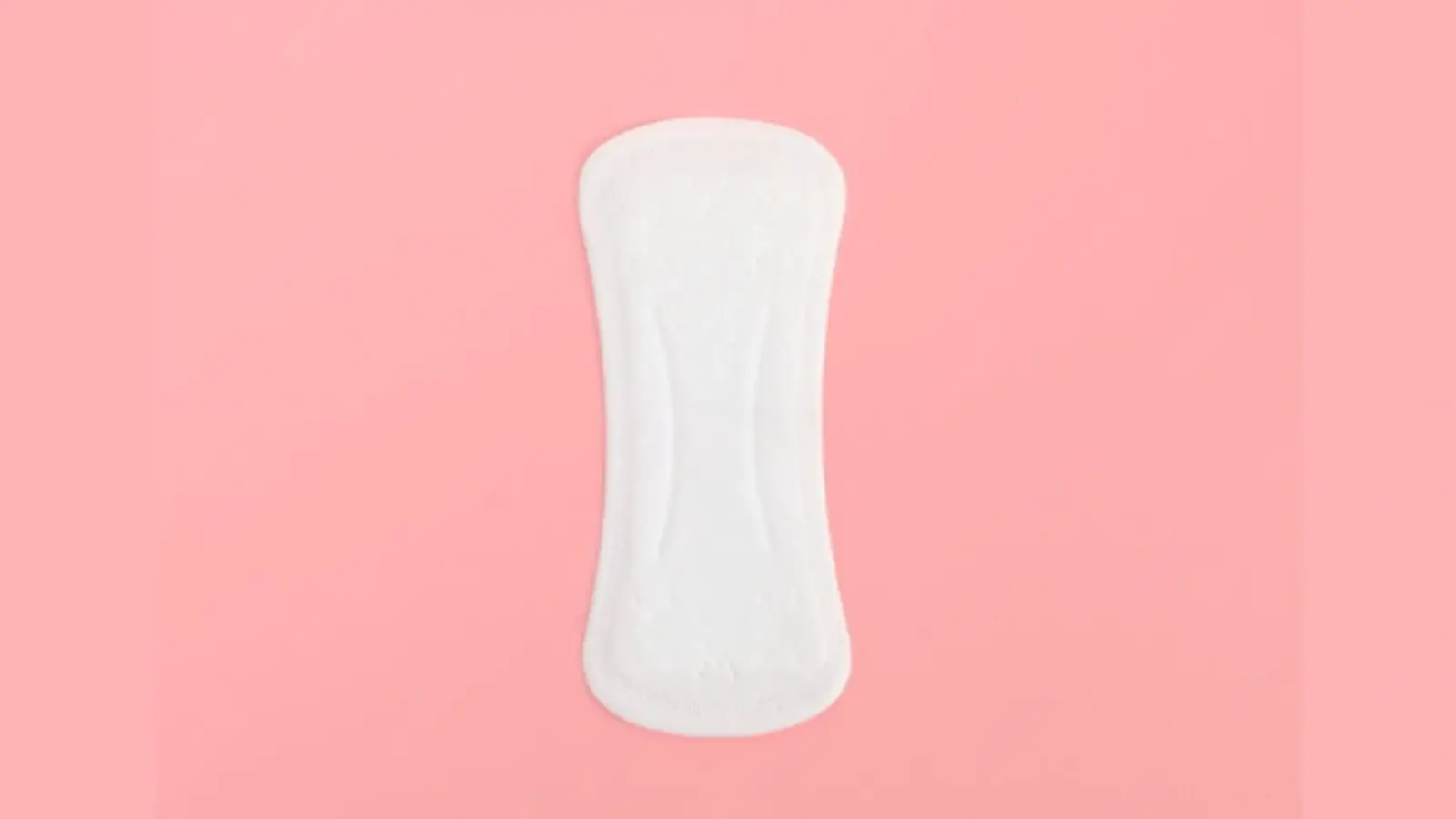
In today's world, where stability is more than a discussion, the need to adopt environmentally friendly habits has never been greater. Among countless changes, one of the most influential menstruation is under the purview of hygiene. Traditional disposable pads, made with plastic and synthetic materials, are an important contributor to non-biodegradable waste.
Enter natural plant-based sanitary pads, a revolutionary solution that not only ensures comfort and effectiveness but also addresses the environmental crisis. In this article, we find out how natural plant-based sanitary pads help reduce period waste and why they are game-changers for both individual and planetary health.
What Are Plant-Based Sanitary Pads Made Of?
Natural and biodegradable materials, including organic cotton, bamboo fibre and cornstarch-based plastic, are used to make plant-based sanitary pads. Such material is chemical-free and permanent sour.
These are environmentally friendly pads compared to traditional ones, as they avoid using plastic and are safely disposed of. Production of renewable resources means that these pads are green options for menstruation. There are both environmental stability and user comfort preferences.
Health Benefits of Using Natural Plant-Based Pads
Natural, plant-based pads are free from harsh chemicals, fragrances, and synthetic materials, which can be found in traditional pads. This lowers the risk of causing skin irritation, allergic reactions, and infections in the users' skin, thus being ideal for sensitive skin.
They have better airflow due to their breathable, organic materials, which prevent pain and odour. Natural sanitary pads are hypoallergenic, presenting a safer option for menstrual care. Being made healthy, they ensure a more comfortable and worry-free experience for their users.
How Plant-Based Materials Reduce Plastic Waste
Plant-based sanitary pads greatly reduce plastic waste, as they replace non-renewable, biodegradable materials for the east. Traditional pads contain about 90% plastic, and plant-based pads use compostable materials instead.
After settlement, such pads are naturally broken and will not be in landfills or oceans forever. Consumers can immediately contribute to reducing the huge amounts of plastic waste by choosing plant-based pads, which align with global efforts in dealing with the plastic crisis.
The Biodegradability Advantage of Natural Pads
Natural pads are designed to decompose within months, unlike traditional pads, which can take centuries. Their biodegradable composition ensures minimal environmental impact during disposal. Whether composted or left in the soil, they return to nature without leaving toxic residues.
This advantage supports sustainable waste management practices. Switching to biodegradable pads is a step forward in reducing the long-term environmental burden of menstrual products.
Lower Carbon Footprint in Production and Disposal
Generally, the manufacturing of plant-based pads requires fewer resources and fewer emissions. In addition, such products are sourced from sustainably managed sources, with eco-friendly production techniques involved. Their biodegradable nature also eliminates energy-intensive waste processing.
With a lower carbon footprint, plant-based pads significantly reduce energy consumption in both production and disposal as compared to their conventional counterparts. This makes them a climate-friendly alternative for the environmentally conscious consumer.
Affordability and Accessibility of Eco-Friendly Options
Although the plant-based sanitary pads have been considered very expensive, it has changed with the current high demand and increase in availability. Most companies nowadays manufacture cheap, quality pads that can bear a majority. Governments and non-governmental organisations also encourage consumers to use these products either by offering a subsidy or distributing them independently.
Reusable pads made of plant-based materials, such as clothes variants, also save the' money of individuals in the long run, ensuring that permanent menstruation is accessible to all economic backgrounds.
The Role of Plant-Based Pads in Sustainable Menstruation
Plant-based pads are the cornerstone of permanent menstruation. They help resolve both environmental and social challenges by reducing waste, reducing carbon emissions and aligning with global stability goals. With these pads, individuals can greatly reduce their ecological footprints during menstruation.
In addition, their production is often moral, ensuring proper wages and durable sourcing. This gives users the power to make environmentally responsible choices every month.
How to Make the Switch to Plant-Based Sanitary Pads
Switching to plant-based sanitary pads is a simple yet impactful choice. Start by researching brands that offer eco-friendly options to find the best fit for your needs. Gradually transition by incorporating these pads into your routine alongside traditional ones.
Educate yourself about disposal methods, as many plant-based pads are compostable. Additionally, encourage friends and family to consider making the switch for collective impact. Over time, this small change can create significant environmental and health benefits.
Conclusion
Switching to natural plant-based sanitary pads isn't just a personal choice; it's a step towards a healthier planet. Biodegradable and eco-friendly options can reduce the amount of period waste significantly, and this change will help protect the environment for generations to come.
With the current variety of natural pads available, it has never been a better time to make a change. Why not embrace the power of plant-based solutions and make your periods greener and cleaner?
Business Outstanders brings you sharp insights on tech, business, entrepreneurship, law, crypto, and more. We uncover what’s next. Stay updated, sign up for our newsletter and be part of the future!