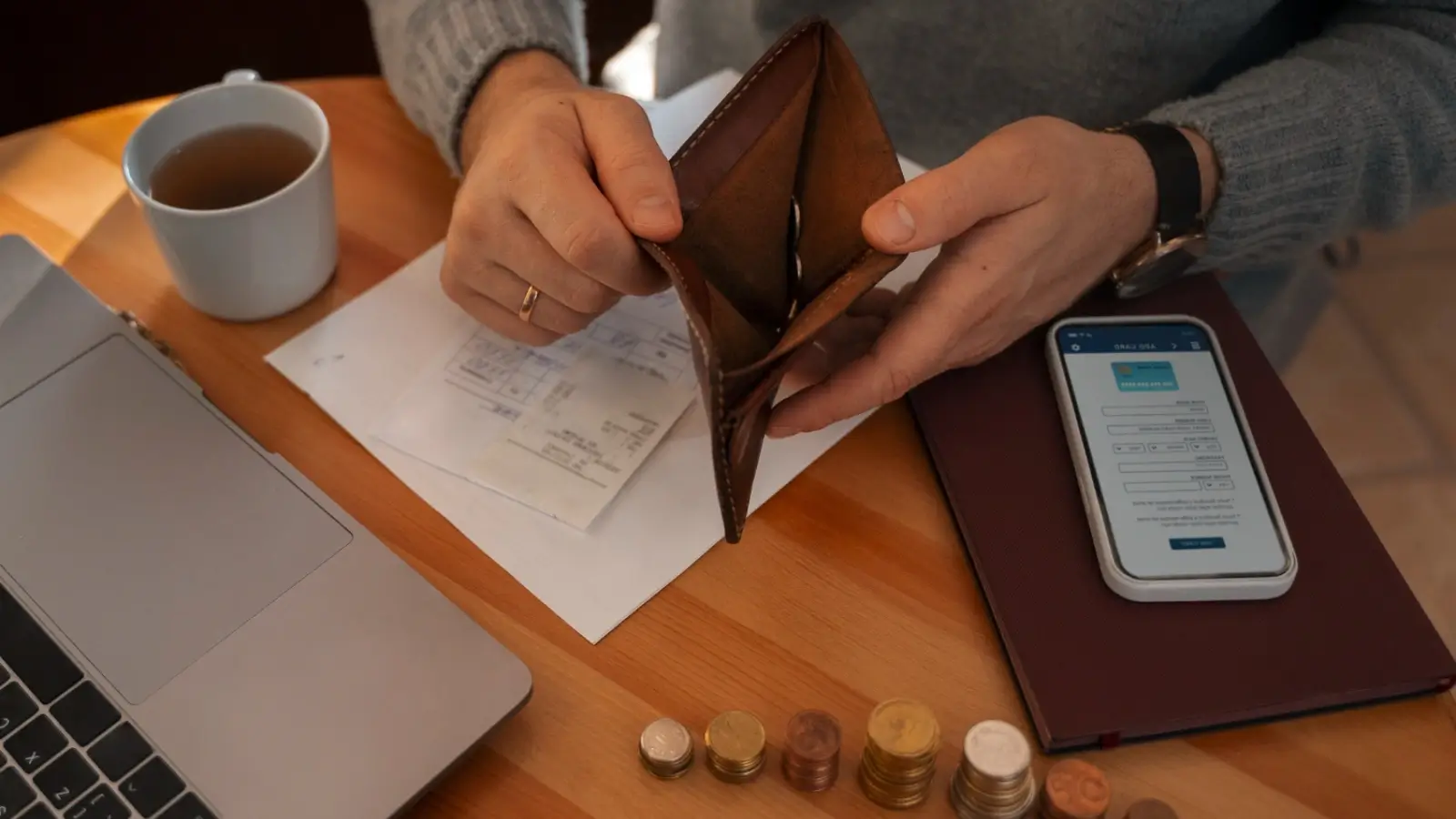
After an accident, most people expect to deal with hospital bills or repair costs. But it’s the smaller, unexpected costs that often catch them off guard. A few dollars here and there for prescriptions, travel, or basic supplies may not seem like much at first. Over time, though, they add up to a real financial strain.
These smaller, personal costs are called out-of-pocket expenses, and they’re an important part of your compensation claim. Knowing what they include and how to prove them can help you avoid losing money that should rightfully be recovered.
What They Really Mean
Out-of-pocket costs are the expenses you pay yourself because of the accident. They are not covered by your insurance or by anyone else. It could be the cost of a taxi to the hospital, a neck brace you had to buy, or even someone you hired to help around the house while you healed.
Every accident is different, so these expenses vary from one person to another. What matters is that the money came directly from you and was spent only because of the injury.
Everyday Examples That Count
People often underestimate how many of their recovery costs can be included. Some of the most common examples are
- Medical supplies like bandages, braces, or over-the-counter medicine.
- Travel costs such as fuel, parking fees, or rides to appointments.
- Help at home for cleaning, childcare, or cooking when you’re unable to do it yourself.
- Replacing damaged personal items like glasses, phones, or clothing.
These are small things, but they paint a bigger picture of how much an accident can change day-to-day life.
Why They Matter More Than You Think
Insurance companies often focus on the big numbers—hospital bills and lost income. But out-of-pocket costs reflect your actual experience after the accident. They show the daily disruptions and sacrifices you had to make.
Proving them gives a fuller view of what the injury truly cost you. Without them, you might end up getting less than you deserve.
How to Keep Proof That Works
Good recordkeeping makes all the difference. Start right after the accident and keep track of every cost that comes up.
Here’s what helps the most:
- Keep every receipt and bill. Even small ones from the pharmacy matter.
- Write down what each expense was for. A short note helps you remember later.
- Save travel details. Note each trip’s date, destination, and purpose.
- Take photos. Pictures of damaged items or purchased supplies help connect the dots.
- Use folders or apps. Staying organized makes it easier to share with your lawyer later.
It’s easier to build a case when you have solid proof ready from the start.
Showing the Court Why They Matter
When your claim goes to negotiation or court, your lawyer will need to show that these costs were necessary. That means linking every expense directly to your injury or recovery.
For example, if you bought crutches, your doctor’s note can confirm they were prescribed. If you took several cab rides to therapy, appointment records can back up those dates. The clearer your proof, the harder it is for the insurance company to question it.
Why Having a Lawyer Helps
Many people think they can handle this part on their own, but it’s easy to miss details. A personal injury lawyer knows what counts and what doesn’t. They can organize your receipts, connect expenses to your medical reports, and calculate the total value correctly.
They also make sure that nothing is overlooked when negotiating with the insurance company. A lawyer’s guidance helps turn scattered receipts into a strong, well-documented claim.
Final Takeaways
- Out-of-pocket expenses are personal costs that come directly from your wallet.
- They include things like travel, medical supplies, and home help.
- Keep every receipt and note how it relates to your injury.
- Photos and written details make your proof stronger.
- Clear documentation and legal support lead to better compensation.
- Staying organized helps you recover every dollar you’re owed.
Business Outstanders brings you sharp insights on tech, business, entrepreneurship, law, crypto, and more. We uncover what’s next. Stay updated, sign up for our newsletter and be part of the future!