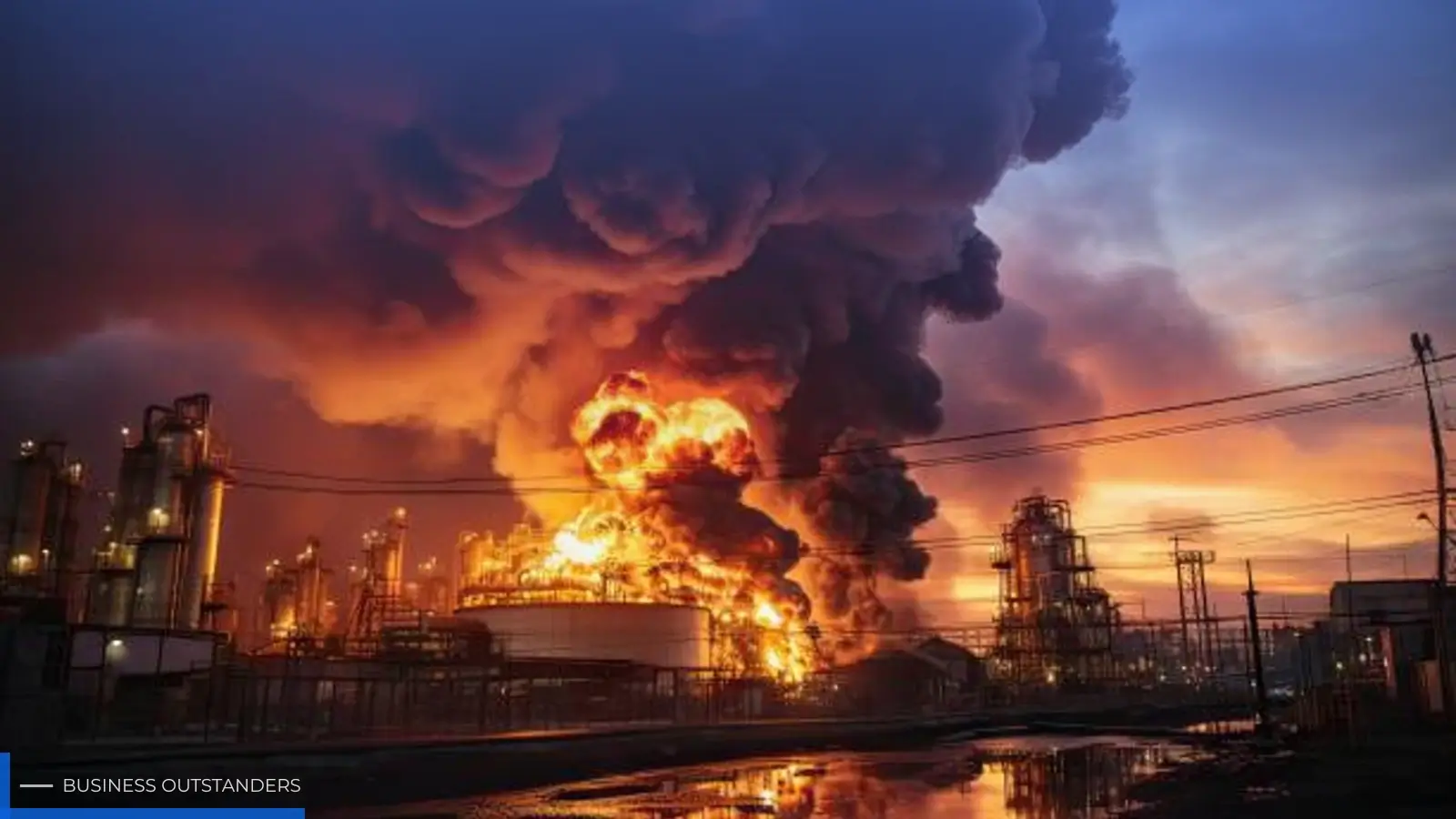
Industrial explosions are rarely random events. They are almost always the result of safety failures, equipment neglect, or ignored warnings that built up over time.
Houston, Texas, is home to one of the largest concentrations of refineries and petrochemical plants in the country. The region has a long history of industrial incidents, many of which could have been prevented with proper safety measures.
If you or a loved one was hurt in one of the avoidable refinery explosions in the Houston, TX, area, knowing your legal rights is an essential next step.
Common Causes of Industrial Explosions
Most industrial explosions trace back to a handful of recurring failures. These are not freak accidents. They are patterns.
Equipment Failure and Poor Maintenance
Aging pipes, valves, and pressure vessels can crack or rupture without warning. When routine maintenance is skipped or delayed, the risk of catastrophic failure rises sharply. Many explosions happen because warning signs were present long before the blast.
Chemical Mishandling
Refineries and chemical plants work with highly flammable and reactive substances every day. Improper storage, mislabeled containers, or mixing incompatible chemicals can trigger an explosion within seconds. Workers often have little to no warning before ignition occurs.
Inadequate Safety Training
Workers who are not properly trained may not recognize early hazard signals. Employers are required under OSHA 29 CFR 1910.119, the Process Safety Management standard, to provide thorough training for anyone working near highly hazardous chemicals. Gaps in that training can turn a manageable situation into a deadly one.
Regulatory Non-Compliance
Some facilities cut corners to reduce costs or meet production deadlines. Ignoring safety inspections, bypassing lockout procedures, or failing to report near-miss incidents are all forms of noncompliance that increase explosion risk.
Who Can Be Held Liable?
Liability in industrial explosion cases can involve multiple parties.
- The facility owner or operator is liable for failing to maintain safe conditions.
- Equipment manufacturers, if a defective part contributed to the blast
- Contractors or subcontractors who performed faulty maintenance or installation
- Third-party safety inspectors who cleared hazardous conditions as acceptable
Texas follows modified comparative fault rules under Tex. Civ. Prac. & Rem. Code § 33.001. A victim can still recover damages as long as they are found to be less than 51 percent at fault.
What Victims Can Do Next
Being injured in an industrial explosion is overwhelming. Taking the right steps early can make a significant difference in your case.
Steps to Take After an Industrial Explosion
- Seek immediate medical attention, even if injuries seem minor at first.
- Report the incident to your employer and request a written copy of the report.
- Document everything, including photos of the scene, injuries, and any damaged equipment.
- Preserve all medical records, pay stubs, and communication related to the incident.
- Avoid signing any releases or settlement agreements before speaking with an attorney.
- Consult a personal injury or industrial accident attorney as soon as possible.
Workers' Compensation vs. Personal Injury Claim
Not every victim has the same legal path forward.
Workers' compensation covers lost wages and medical bills but limits how much you can recover. A personal injury or product liability claim can pursue full damages, including pain and suffering. If a third party outside your employer contributed to the explosion, you may be able to file both types of claims simultaneously.
Key Takeaways
- Most industrial explosions result from neglected maintenance, poor training, or regulatory violations.
- OSHA 29 CFR 1910.119 requires strict safety standards for facilities handling hazardous chemicals.
- Multiple parties, including owners, contractors, and manufacturers, can share liability.
- Texas law allows injury victims to recover damages if they are less than 51 percent at fault.
- Workers' compensation and personal injury claims can sometimes be pursued at the same time.
- Acting quickly and documenting everything strengthens your legal position significantly.
Business Outstanders brings you sharp insights on tech, business, entrepreneurship, law, crypto, and more. We uncover what’s next. Stay updated, sign up for our newsletter and be part of the future!