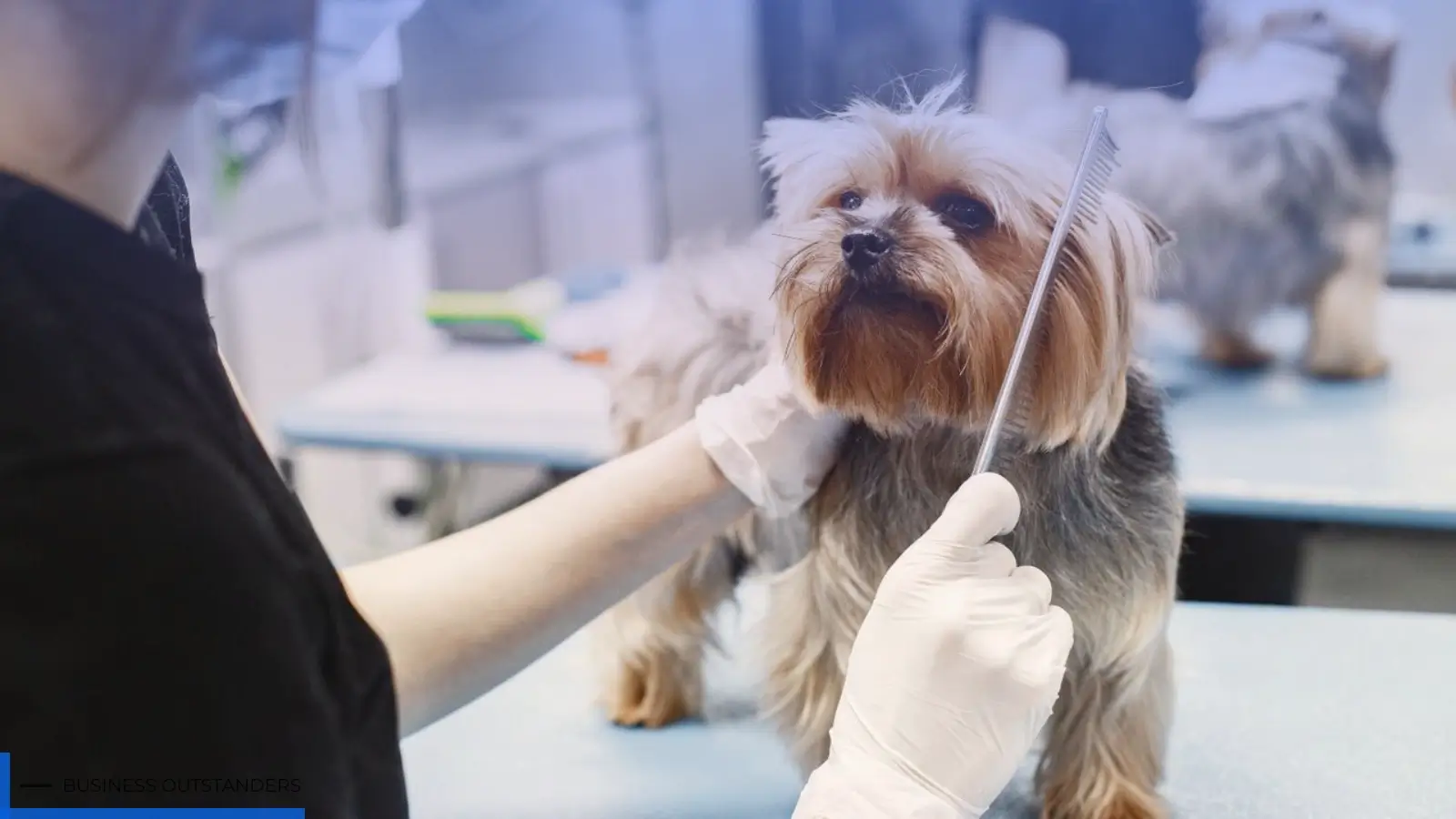
Did you know stretching for just 10 minutes a day can boost flexibility by up to 30% in a month? Adding it to your daily routine keeps your muscles and joints flexible, enhances mobility, and supports faster recovery.
Regular stretching also improves blood flow, delivering nutrients and oxygen to your muscles, which reduces soreness and aids overall performance. Start incorporating these simple stretches today to feel more flexible, energized, and ready for your daily activities.
Why the Body Causes Knee Swelling
Knee swelling is a natural response mechanism signaling issues ranging from minor injuries to more serious conditions.
Built-In Injury Detection
The body has a sophisticated way of highlighting areas that need attention. When the knee sustains an injury, swelling occurs almost immediately. This serves as a built-in injury detection system.
This physiological response alerts you to take measures to address the underlying issue. Understanding knee swelling causes can help in identifying the specific problem and applying suitable treatments.
Environmental and Activity Influence
External factors such as environment and physical activity play a significant role in knee swelling. For instance, engaging in strenuous exercise can lead to temporary swelling. This is due to the stress placed on the knee joints.
Similar to this, cold weather can exacerbate swelling. Low temperatures often cause joints to stiffen and swell. Recognizing these environmental and activity-related influences can aid in preventative measures and appropriate responses to knee issues.
Immune Response
A key aspect of knee swelling involves the body's immune system response. When an infection or injury occurs, the immune system triggers swelling. This is to increase blood flow and healing components to the affected area.
This reaction is part of the body's defense mechanism, aimed at repairing damage and fighting infection. Properly understanding this immune response is key for effective injury detection and management.
Types of Knee Swelling and What They Mean
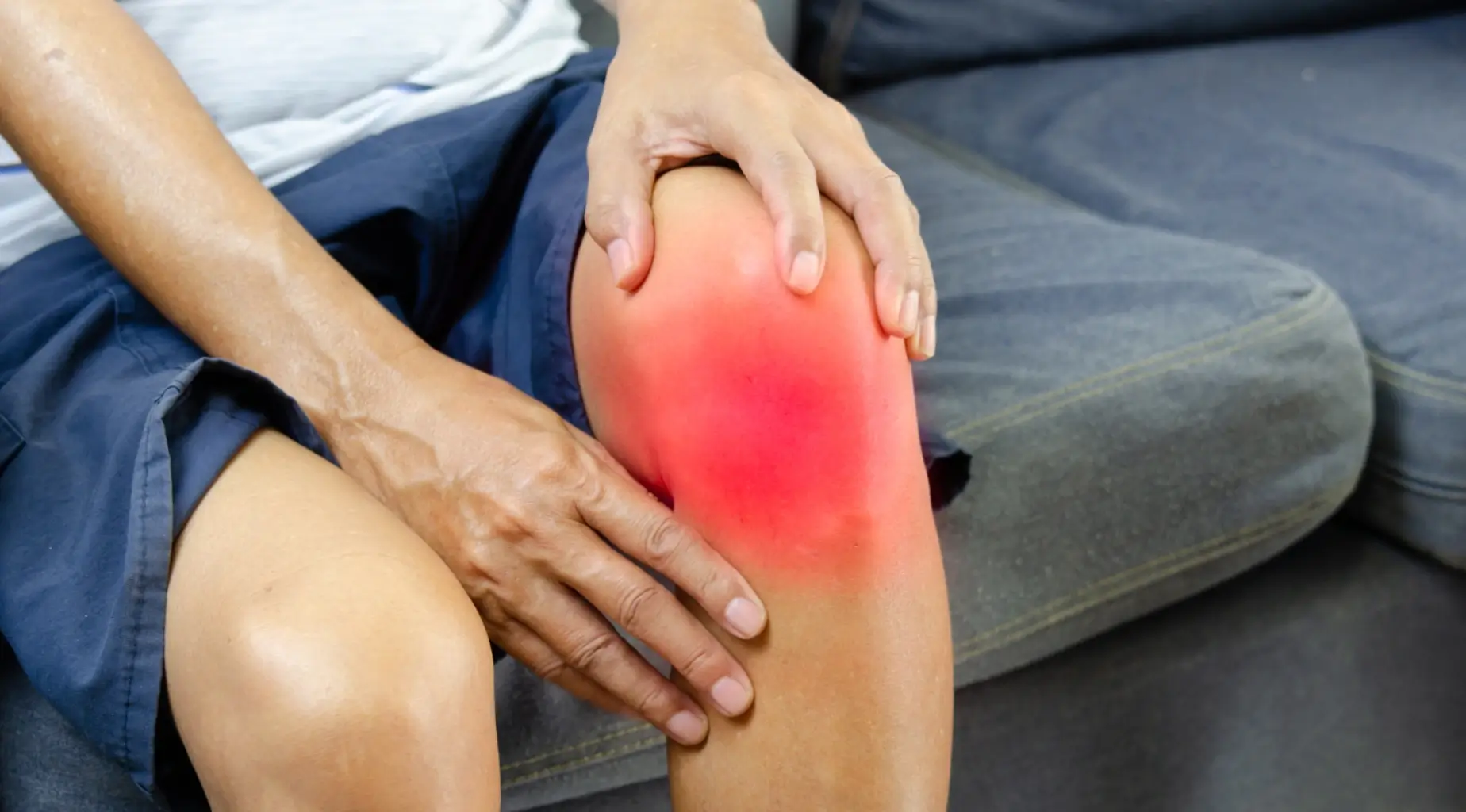
Knowing about knee swelling types helps understand the severity and causes of joint problems. Swelling can range from mild to severe, affecting how much pain you feel. It's important to know the signs and what they mean.
1. Mild Swelling
Mild swelling in the knee might make your knee a bit stiff. But it usually doesn't stop you from moving around much. You can try to manage it with rest and some over-the-counter meds. Keep an eye on it to stop it from getting worse.
2. Moderate Swelling
Moderate swelling is more noticeable and can really hurt. It might also make it harder to move your knee. This could mean you have a bigger problem, like a torn ligament or meniscus. Getting help from a doctor is a good idea to avoid more trouble.
3. Severe Swelling
Severe swelling in the knee is very painful and limits your movement. It usually means something serious, like a fracture or a torn ligament. You need to see a doctor right away because the situation is serious.
4. Swelling with Bruising
Swelling with bruising means you likely had a bad injury. It could be from a fall or a direct hit. Spotting these signs quickly helps you get the right medical care fast.
When to Seek Medical Help for Knee Swelling
Knee swelling can be puzzling and uncomfortable. Knowing when to get medical help is key to avoiding problems and speeding up recovery.
How Long Does It Last
Understanding how long swelling lasts is important. If swelling lasts more than a few days without getting better, see a doctor. Also, if swelling keeps coming back, you should get medical help.
Additional Symptoms
Watch for other symptoms that could mean something serious is going on. Severe pain, redness, or warmth around the joint are big warning signs. These often mean infections or other serious problems that need quick medical attention.
Swelling Alone Isn’t Enough
Swelling by itself might not always mean you need to worry. But, if symptoms are persistent or severe, it's time to see a doctor. Ignoring these signs can make things worse and cause more pain.
How To Reduce Swelling In The Knee
To reduce knee swelling, you need to try a few things. These methods help your knee recover and move better.
Flexibility Training
Flexibility training is also vital, as gentle stretches keep your joints healthy and support long-term recovery. In Uluwatu, many wellness centers offer targeted programs designed to strengthen the muscles around the knee while boosting mobility and circulation.
Joining guided sessions gives you instruction in a calming environment, and flexibility classes in Uluwatu help reduce stiffness, improve balance, and lower the risk of future injuries. With regular stretching, your knee muscles stay strong and resilient, making re-injury far less likely.
Rest and Elevation
Resting your knee is key. It helps avoid more damage. Elevation also works by moving extra fluid away from your knee. Use pillows or a support to keep your leg above your heart.
Supporting Circulation and Recovery
Good circulation plays a vital role in reducing swelling and speeding up recovery, especially after periods of inactivity, intense exercise, or injury, when blood flow to muscles and joints may be limited.
One highly recommended option is lymphatic drainage massage in Uluwatu, which helps stimulate blood flow, flush out excess fluid, and support the body’s natural healing process. Along with rest, stretch ing, and regular massage, these steps can greatly improve knee health and reduce discomfort over time.
How Swelling Acts as a Warning Sign for Your Knees
Swelling in the knees is a key warning sign for knee health. It alerts you to possible issues before they get worse. Knowing these signs helps prevent injuries and keeps your knees healthy.
Always Working in the Background
Your body is always watching for signs of knee trouble. Swelling is a subtle but ongoing sign of joint health. It's your body's way of telling you something's not right, urging you to change your activities to avoid injury.
Immediate Response System
Your knees have a quick response system to injury or overuse. Swelling happens fast to protect your joints. This fast action is a smart way to prevent further injury, showing you need to rest or change your activities.
A Reflective Surface
Swelling shows what's happening inside your knees. It reflects the state of your knee health. By noticing swelling, you can see if your joints are under too much stress or if you need to make lifestyle changes for better knee health.
Conclusion
Understanding knee swelling is key to keeping your knees healthy. Knowing the causes and types helps you decide when to see a doctor. This is important for your knee's well-being.
Supporting circulation and recovery is also vital. Paying attention to swelling early on is important. By taking these steps, you can keep your knees mobile and healthy for years to come.
Questions & Answers
1. How can daily practices like stretching improve flexibility and muscle recovery?
Stretching every day makes your muscles and joints more flexible. It also helps you move better and reduces injury risk. Stretching improves your performance, coordination, and even helps with stress.
2. Why does the body cause knee swelling when there's an injury?
Swelling is a natural sign of injury. It tells your body to pay attention to the affected area. The immune system sends more healing components to help fix the injury.
3. How do environmental factors and physical activities influence knee swelling?
Cold weather and hard workouts can make knee swelling worse. These factors put extra stress on your knee, affecting how your body responds.
4. What role does the immune system play in knee swelling?
The immune system causes knee swelling to help with healing. It sends healing components to the injured area.
Business Outstanders brings you sharp insights on tech, business, entrepreneurship, law, crypto, and more. We uncover what’s next. Stay updated, sign up for our newsletter and be part of the future!