Introduction to Roti Maker Machine
A Roti Maker Machine is a revolutionary kitchen appliance designed to simplify the process of making fresh, homemade rotis. This device automates the traditional method of rolling and cooking rotis, saving time and effort. Whether for home use or commercial applications, a roti maker enhances efficiency and consistency in preparing soft and perfectly round rotis.
How Does a Roti Maker Machine Work?
A Roti Maker Machine operates using a combination of heat, pressure, and rotation. It consists of non-stick plates that press the dough ball into a flat roti and then cook it evenly. Some advanced models feature automatic pressing, rolling, and flipping mechanisms, ensuring a hands-free roti-making experience.
Types of Roti Maker Machines
1. Manual Roti Maker
This type requires manual effort to press the dough ball into a flat shape, but the machine provides the heat needed for cooking.
2. Automatic Roti Maker
Fully automated, these machines mix, knead, flatten, and cook rotis, requiring minimal human intervention.
3. Commercial Roti Maker
Designed for bulk production, these machines are ideal for restaurants, hotels, and catering businesses.
Benefits of Using a Roti Maker Machine
1. Saves Time and Effort
A roti maker machine drastically reduces the time and labor required to prepare rotis. Traditional hand-rolled rotis take longer, but a roti maker produces them within minutes.
2. Consistent Quality
Unlike hand-rolled rotis, which may vary in size and thickness, a roti maker ensures uniformity in every piece.
3. Healthier Option
Since most roti maker machines come with non-stick surfaces, they require little to no oil, making the rotis healthier.
4. Easy to Use and Clean
Most modern roti makers feature user-friendly controls and easy-to-clean surfaces, making them convenient for daily use.
5. Suitable for Large-Scale Production
For businesses, commercial roti makers can produce hundreds of rotis per hour, significantly increasing efficiency and output.
Features to Consider Before Buying a Roti Maker Machine
1. Non-Stick Coating
A high-quality non-stick surface prevents dough from sticking and ensures smooth roti preparation.
2. Adjustable Temperature Control
Temperature settings allow customization based on different dough types and cooking preferences.
3. Size and Capacity
Choose a machine that fits your needs, whether for personal use or commercial purposes.
4. Power Consumption
Energy-efficient models help save electricity while maintaining performance.
5. Brand and Warranty
Opt for reputable brands that offer warranties and after-sales support for long-term reliability.
Step-by-Step Guide to Using a Roti Maker Machine
1. Prepare the Dough
Ensure the dough is soft and well-kneaded for optimal results.
2. Preheat the Roti Maker
Turn on the machine and allow it to reach the required temperature.
3. Place the Dough Ball
Place a small dough ball at the center of the plate.
4. Press and Cook
Close the lid to flatten the dough, then allow it to cook for a few seconds.
5. Flip and Cook Again
Turn the roti to ensure even cooking on both sides.
6. Serve Fresh
Once done, remove the roti and serve hot.
Common Issues and Troubleshooting in Roti Maker Machines
1. Dough Sticking to Plates
Ensure the dough is not too wet. Use a light coating of dry flour if necessary.
2. Rotis Turning Hard
This may be due to overcooking or improper dough consistency. Adjust the cooking time accordingly.
3. Uneven Cooking
Ensure that the machine is preheated correctly and that the dough ball is placed at the center.
Top Brands Offering the Best Roti Maker Machines
1. Bajaj
It is known for its durable and efficient roti makers with advanced features.
2. Prestige
Offers high-quality non-stick roti makers with adjustable temperature controls.
3. Rotimatic
Rotimatic NEXT is the advanced version of the world’s first fully automated roti maker, built to deliver thinner, softer, and more consistent rotis in under two minutes. Equipped with upgraded Vision AI and Kneading Intelligence, it monitors and adjusts 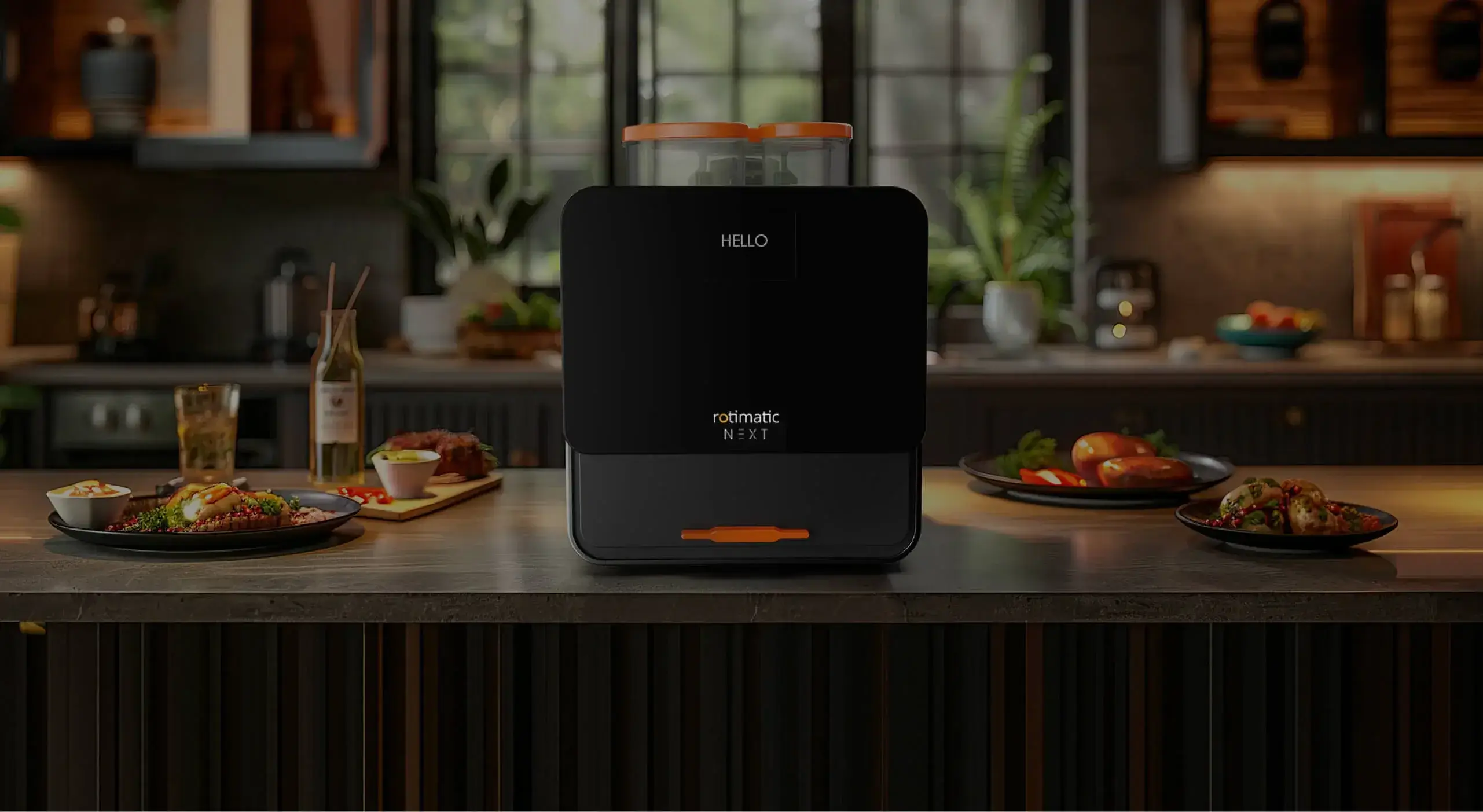 the dough in real time for perfect texture and taste. The machine supports a wide variety of flours, including gluten-free, millet, and multigrain options, and can also prepare puris, parathas, tortillas, and pizza bases. With a compact design that is 30 percent smaller than the earlier model, quieter operation, and an intuitive single-tap interface, Rotimatic NEXT is designed to fit seamlessly into modern kitchens. Its smart connectivity ensures continuous improvement through over-the-air updates, making it a reliable and innovative choice for households that value convenience and healthy eating.
4. Sunflame
Provides affordable and reliable roti makers for home use.
Commercial Roti Maker Machines – A Boon for Businesses
Investing in a commercial roti maker machine is a game-changer for large-scale food businesses. These machines can produce up to 1000 rotis per hour, significantly reducing labor costs and enhancing efficiency.
Advantages of Commercial Roti Makers:
-
High-speed production
-
Uniform size and thickness
-
Cost-effective for bulk production
-
Minimal manual intervention is required
Maintenance and Care for Roti Maker Machines
To extend the life of your roti maker machine, follow these maintenance tips:
1. Clean After Every Use
Wipe the non-stick surface with a damp cloth to prevent residue buildup.
2. Avoid Metal Utensils
Use wooden or silicone spatulas to prevent scratching the surface.
3. Store Properly
Keep the machine in a dry place to avoid moisture damage.
4. Regular Inspection
Check for loose wires or any damage to ensure safety and efficiency.
Conclusion
A Roti Maker Machine is a valuable addition to any kitchen, simplifying the process of making fresh rotis. Whether for home use or commercial applications, choosing the right machine enhances efficiency, saves time, and delivers consistent results. With proper maintenance and usage, a roti maker can serve as a long-term investment for hassle-free cooking.
Business Outstanders brings you sharp insights on tech, business, entrepreneurship, law, crypto, and more. We uncover what’s next. Stay updated, sign up for our newsletter and be part of the future!