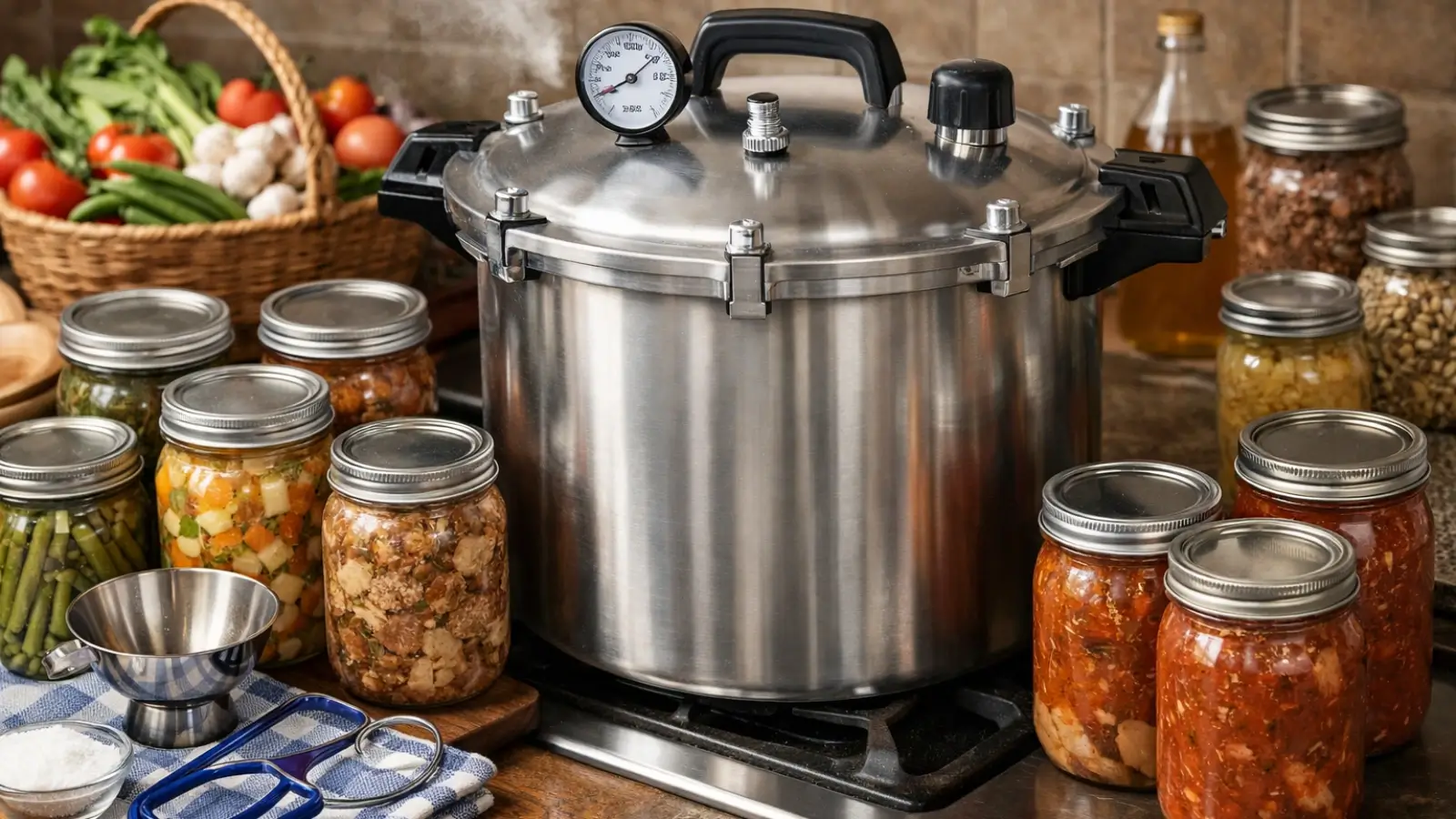
Pressure canning is a method of preserving food by using high temperatures and pressure to kill harmful bacteria and enzymes that cause spoilage. This technique is especially useful for preserving low-acid foods such as meats, vegetables, and soups. To ensure a successful and safe canning process, having the right equipment is crucial. A reliable pressure canner is the cornerstone of this preservation method, ensuring that food is canned safely and efficiently.
Understanding Pressure Canning
Pressure canning differs from water bath canning, primarily due to the pressure's ability to reach higher temperatures. While water bath canning is ideal for high-acid foods like fruits and pickles, pressure canning is necessary for low-acid foods. This distinction is vital, as inadequate canning methods may leave your food unsafe to consume.
Choosing the Right Pressure Canner
When selecting a pressure canner, it is important to consider the size, material, and features. The size of the canner should correspond to the volume of food you plan to preserve. Common sizes range from small models suitable for home use to larger, heavy-duty versions for serious canners. Stainless steel and aluminium are popular choices for their respective durability and heat conduction.
Key Features to Look For
A good pressure canner should have a secure locking lid, a pressure gauge, and an effective safety valve. Some modern canners also include automatic pressure control, which simplifies the process. These features ensure not only the safety of the user but also the quality of the preserved food.
Preparing for Pressure Canning
Before beginning the canning process, it is crucial to prepare the food properly. This involves selecting high-quality items, washing and peeling them as necessary, and sometimes precooking. Clean jars and lids are essential, as is a proper understanding of headspace requirements in the jars.
Steps to Pressure Canning
Start by placing the canner on a heat source and adding the recommended amount of water. Fill the jars with the prepared food, ensuring that they are sealed correctly. Arrange the jars in the canner, ensuring they do not touch each other or the sides. Lock the lid in place, turn up the heat, and let the pressure build.
Monitoring the Canner
Once the desired pressure is reached, adjust the heat to maintain it throughout the process. Use the pressure gauge as a guide, and follow the recommended time for the specific food you are canning. This step is crucial to ensure the safety and longevity of the preserved goods.
Cooling and Storing
After the canning process is complete, allow the pressure canner to cool down naturally before opening it. It is imperative to follow the safety instructions to prevent burns or other accidents. Once cooled, carefully remove the jars and let them rest. Check for any signs of improper sealing, such as loose lids or leakage.
Store the jars in a cool, dry place away from direct sunlight. Properly canned food can last for years when stored under appropriate conditions, providing a reliable source of nutritious meals.
Safety Tips
Safety should always be a priority when pressure canning. Regularly inspect your canner for wear and tear, and replace any damaged parts immediately. Follow the manufacturer's guidelines, and never attempt shortcuts that may compromise safety.
By mastering the art of pressure canning, you can enjoy a wide variety of home-preserved foods throughout the year. Whether you are preserving your garden's bounty or stocking up on essentials, the pressure canner is an invaluable tool in modern food preservation.
Business Outstanders brings you sharp insights on tech, business, entrepreneurship, law, crypto, and more. We uncover what’s next. Stay updated, sign up for our newsletter and be part of the future!