In the ever-evolving world of digital marketing, keeping your B2C website design fresh and relevant is crucial. The year 2026 is fast approaching, and with it comes a whole new set of expectations from consumers when they visit websites. Gone are the days of static, generic pages that merely display product information. In today’s competitive online market, a well-designed, user-centric website can make the difference between a customer clicking away and becoming a loyal buyer.
As businesses continue to shift toward a more personalized, interactive online presence, it’s essential to understand the trends that will dominate B2C website design in the coming year. In this blog, we will explore the top five trends you should know for 2026. Whether you’re a business owner, marketer, or a web designer, understanding these emerging trends will help you create an online experience that not only attracts users but also keeps them engaged. Let’s dive in.
1. AI-Driven Personalization
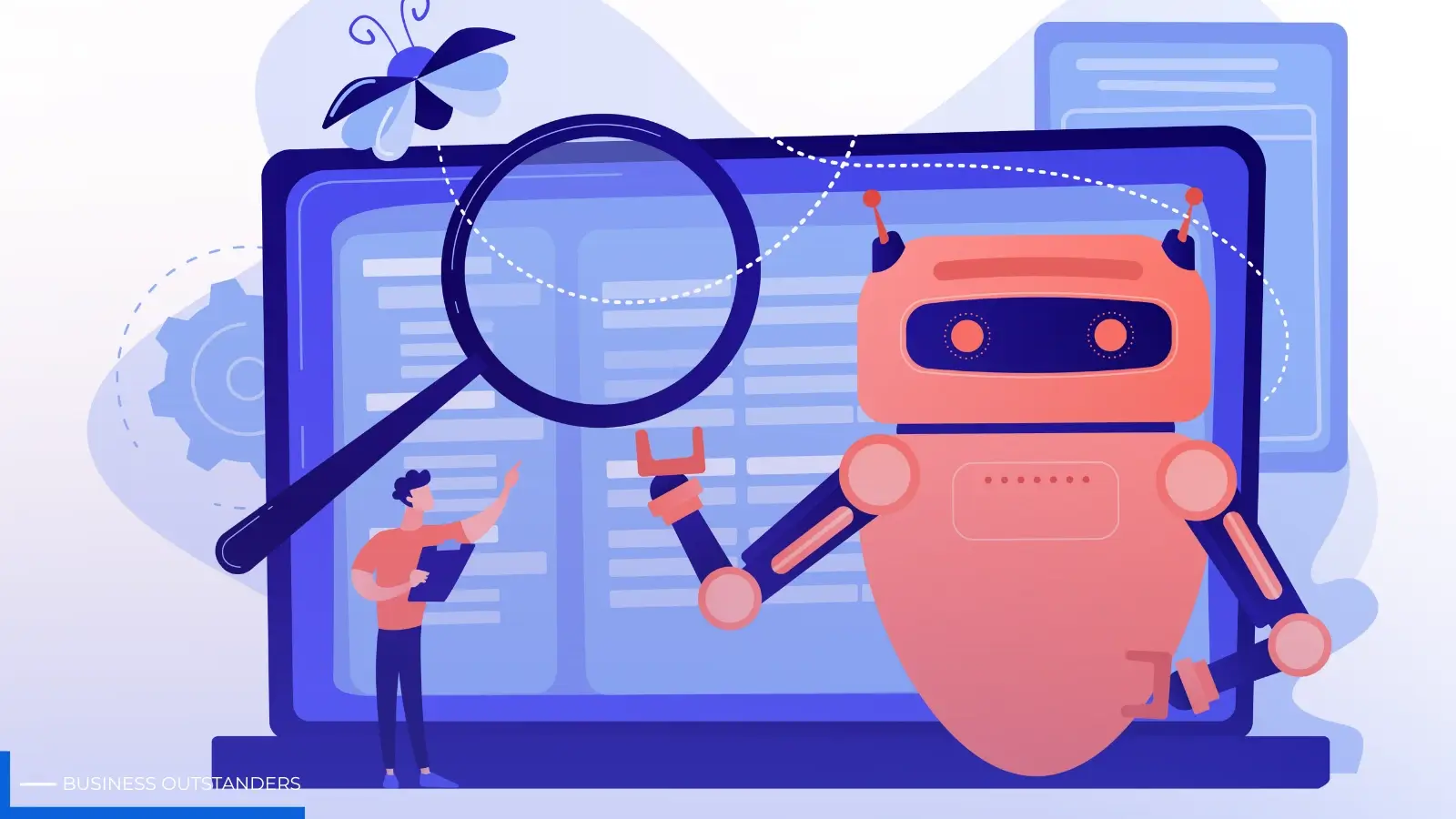
In 2026, one of the most critical elements of B2C website design will be AI-driven personalization. With AI tools becoming more sophisticated, businesses can now tailor website experiences based on user behavior, preferences, and past interactions. Imagine a website that instantly adapts its content, product recommendations, and even layout to match the unique needs of each visitor. This level of personalization creates a more engaging and relevant experience for users, increasing the likelihood of conversions and customer retention.
How AI Can Improve Website Design?
For instance, through AI-powered algorithms, a website can showcase products that a user is most likely to buy based on their browsing history. If a customer frequently looks for running shoes, the homepage could highlight the latest styles or discounts on athletic footwear, offering a customized shopping experience. In 2026, AI will not only personalize the content but will also influence design elements like color schemes, fonts, and layout. This means that the design itself will feel more in tune with the user’s preferences.
To implement AI personalization, businesses can work with a B2C website design agency that specializes in custom web development to integrate AI-based systems. These systems use machine learning to predict customer behavior and optimize their experiences accordingly.
Practical Tip:
If you’re looking to adopt AI-driven personalization, ensure that your website has the infrastructure to collect and process user data responsibly. Always prioritize privacy and comply with relevant data protection regulations.
2. Mobile-First Design
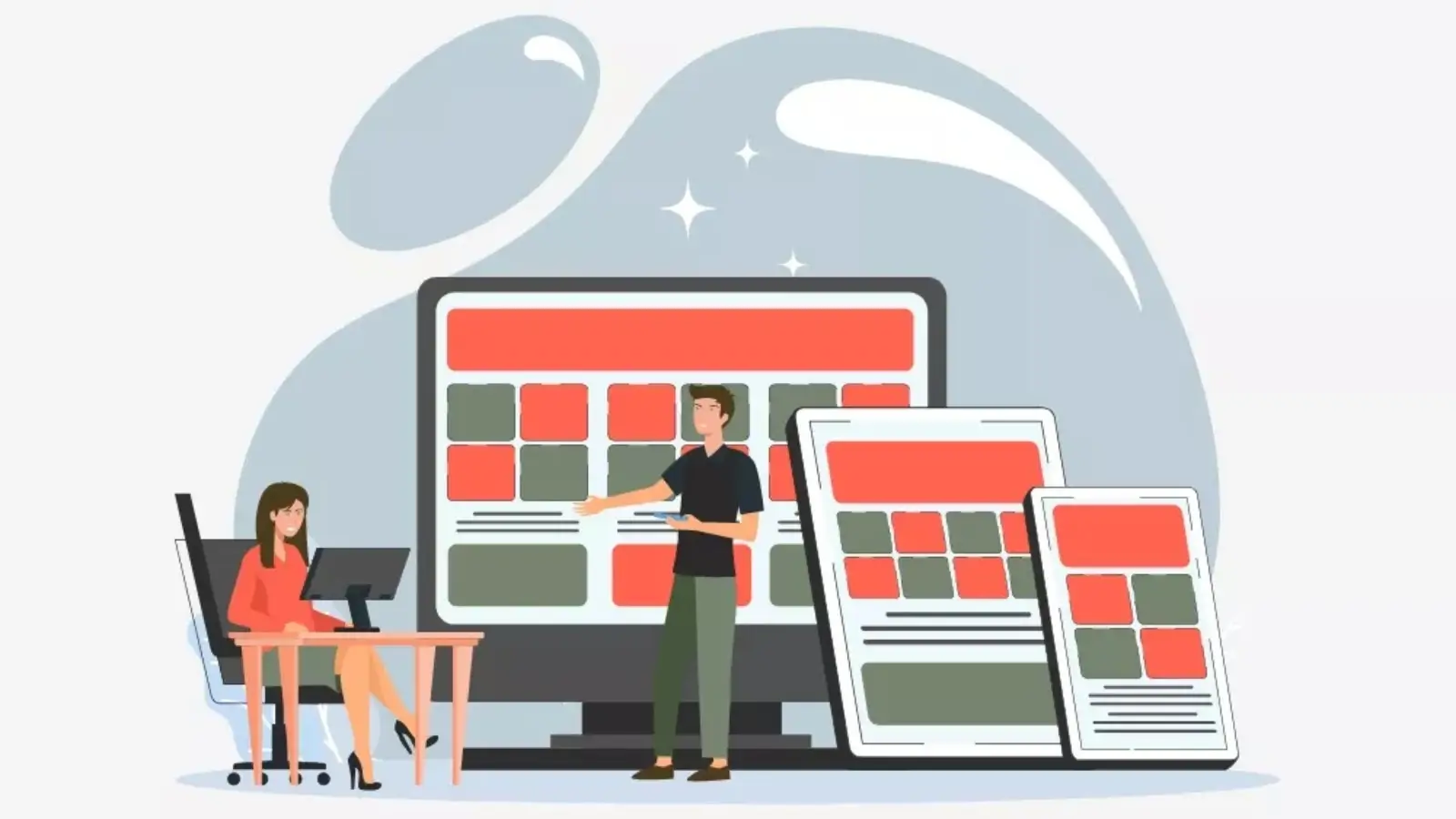
Mobile internet usage is only continuing to rise, with the majority of users browsing and shopping on their phones. As we move into 2026, businesses need to prioritize mobile-first design more than ever. A mobile-first approach focuses on designing websites that provide a seamless, optimized experience on smaller screens before scaling up for larger devices like desktops and laptops.
Key Elements of Mobile-First Design
When developing a mobile-first website, elements such as fast loading times, clear navigation, and easy-to-read typography should be prioritized. As part of this design philosophy, the use of large, clickable buttons, simplified menus, and mobile-optimized images is crucial for a smooth experience.
Example: Consider an e-commerce brand like Amazon. Their website is highly optimized for mobile use, offering large product images, one-click purchasing, and an intuitive search function that adapts seamlessly to mobile devices. They understand the importance of providing a great mobile experience for their customers.
Practical Tip:
Focus on minimizing the number of steps a customer must take to complete an action on mobile, whether it’s checking out a product or filling out a form. The fewer clicks, the better.
3. Sustainable and Eco-Friendly Design
Sustainability is no longer just a buzzword; it's a movement that’s influencing every industry, including website design. In 2026, expect more B2C brands to focus on incorporating sustainable and eco-friendly practices into their websites. This includes optimizing websites for energy efficiency, reducing carbon footprints, and even using design elements that reflect an environmentally conscious mindset.
How to Create an Eco-Friendly Website?
Sustainable web design involves making conscious choices to reduce a website’s environmental impact. This includes using clean code that loads faster, optimizing images to reduce server strain, and choosing hosting providers that use renewable energy sources. Additionally, websites may feature messaging that highlights the company’s commitment to sustainability, such as using recycled materials or eco-friendly packaging.
Example: Patagonia, a leader in sustainable fashion, uses its website as a platform to showcase not only its products but also its commitment to sustainability. Their website design reflects their brand’s eco-conscious values, from messaging about their commitment to fair trade to a transparent supply chain.
Practical Tip:
Work with a custom web development team to audit your site’s carbon footprint and implement eco-friendly features. This might include optimizing page speed, reducing heavy media files, and ensuring your hosting provider aligns with sustainability goals.
4. Interactive and Immersive Experiences
Web design is moving beyond static visuals and simple text-based content. In 2026, B2C websites will increasingly incorporate interactive and immersive features to enhance user engagement. Think about incorporating features such as 360-degree product views, interactive quizzes, or virtual product try-ons. These elements help create a more engaging experience for visitors, keeping them on your site longer and increasing the chances of conversion.
Examples of Interactive Web Elements
For fashion brands, virtual fitting rooms are becoming increasingly popular. Through augmented reality (AR) technology, users can upload their images and try on clothes virtually, which helps them make better purchasing decisions. For instance, brands like ASOS and Zara have already integrated AR tools that allow users to virtually try on clothes and accessories.
Incorporating interactive design elements also involves adding dynamic content like parallax scrolling, animated transitions, and micro-interactions. These subtle animations and effects can make the browsing experience feel more fluid and enjoyable.
Practical Tip:
When adding interactivity, be sure to focus on enhancing usability. Interactive features should always add value to the user experience rather than clutter the page with unnecessary complexity.
5. Voice Search Optimization
As voice-activated technology continues to improve, voice search is set to become a major player in website design by 2026. More consumers are using voice assistants like Alexa, Google Assistant, and Siri to search for products and services, and B2C businesses must adapt by optimizing their websites for voice search.
How to Optimize for Voice Search?
Optimizing your website for voice search involves focusing on natural language processing (NLP). This means crafting content that reflects how people speak rather than how they type. For example, voice searches tend to be more conversational, such as “Where can I buy running shoes near me?” rather than just “running shoes for sale.”
Make sure your website is structured to answer common questions concisely and clearly. Additionally, use schema markup to help search engines understand the content of your site better.
Practical Tip:
Work with your B2C website design agency to ensure your content is optimized for voice search by using more natural phrases and optimizing your FAQs section for better voice search visibility.
Conclusion: Adapting to the Future of B2C Web Design
As we look ahead to 2026, B2C website design is evolving to meet the needs of a more informed, tech-savvy consumer base. Embracing trends like AI-driven personalization, mobile-first design, eco-friendly practices, immersive interactions, and voice search optimization will help you stay ahead of the curve.
While these trends can enhance the user experience and drive conversions, it’s essential to balance them with your business goals. Whether you’re working with a custom web development team or a professional B2C website design agency, always ensure that the design choices you make align with your brand’s vision and your customers’ needs. With the right approach, your website can not only look great but also deliver an exceptional experience that will keep customers coming back.
Remember, 2026 is just around the corner. Now is the perfect time to start planning for the future of your B2C website.
Business Outstanders brings you sharp insights on tech, business, entrepreneurship, law, crypto, and more. We uncover what’s next. Stay updated, sign up for our newsletter and be part of the future!