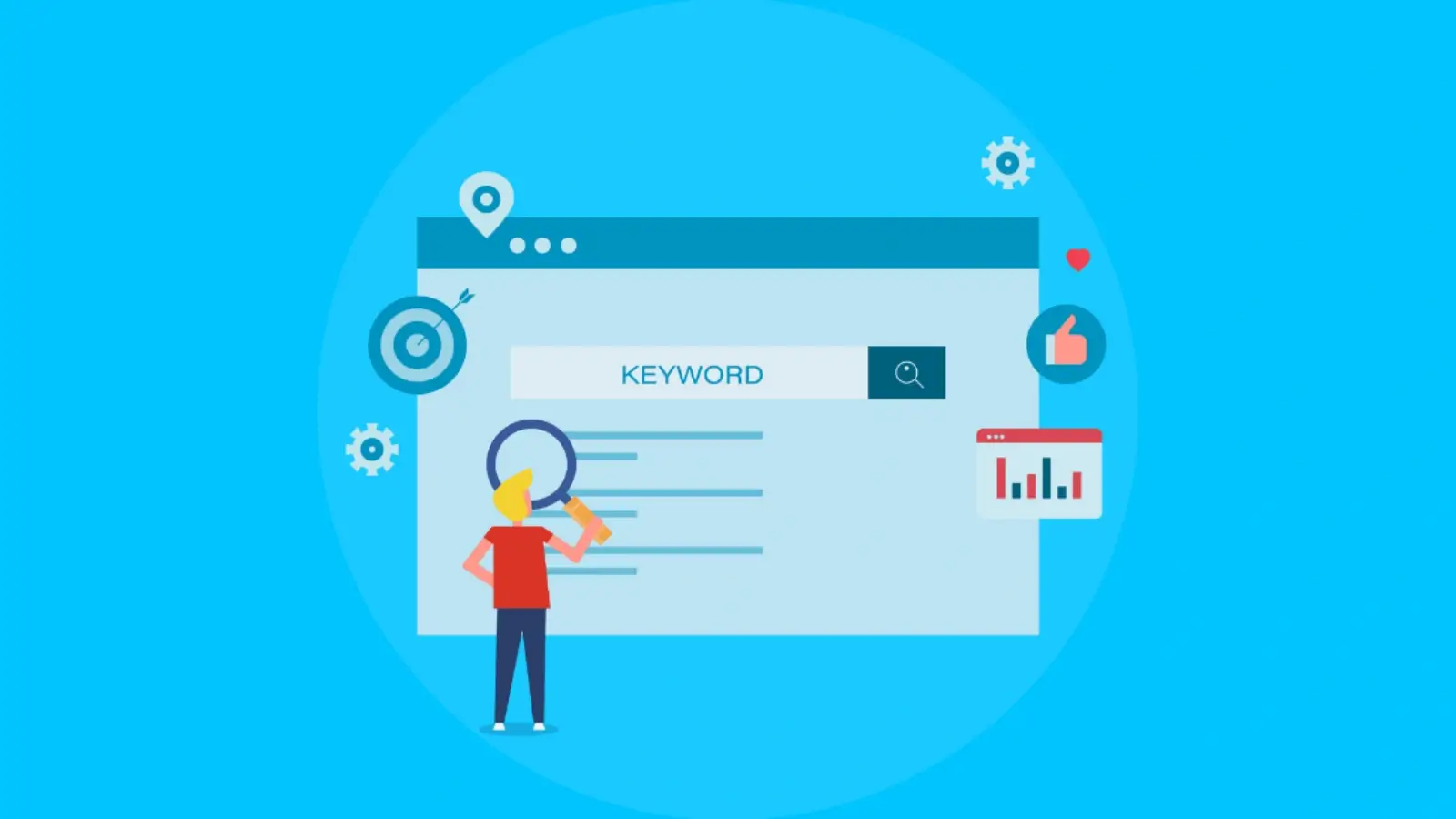
In today’s fast-moving digital world, businesses can’t afford to rely solely on traditional SEO strategies. Competitor analysis has always been a cornerstone of search engine optimization, but the rise of artificial intelligence (AI) is transforming how marketers track, measure, and outperform rivals online. By using AI-driven tools, brands can gain deeper insights, uncover hidden opportunities, and make smarter decisions that keep them ahead in search rankings.
This article explores how AI-powered competitor analysis works, why it’s essential for modern businesses, and practical ways to use it effectively.
Why Competitor Analysis Matters in SEO
Search engines like Google constantly evolve their algorithms, prioritizing user experience, content quality, and relevance. To compete, businesses must know not only how their own sites are performing but also what their competitors are doing to capture attention.
Traditional competitor analysis often involves manual keyword checks, backlink tracking, and performance comparisons. While valuable, these methods can be time-consuming, error-prone, and unable to keep pace with constant changes in the digital landscape. AI has changed that dynamic, offering speed, precision, and predictive power.
How AI Enhances Competitor Analysis
AI-driven tools can process vast amounts of data in seconds, uncovering patterns and opportunities that humans might overlook. Here’s how AI is reshaping competitor analysis:
1. Real-Time Keyword Tracking
AI systems can scan competitor websites and SERPs (search engine results pages) in real time. They don’t just track keyword rankings but also analyze search intent, seasonality, and emerging trends. This allows businesses to identify high-value keywords their competitors are targeting and adjust their strategies accordingly.
2. Content Gap Identification
Content remains king, but producing the right content is what drives rankings. AI tools can highlight areas where competitors are ranking well and where your site is missing out. By identifying these “content gaps,” businesses can create targeted articles, blogs, and landing pages that directly address customer needs and outperform rivals.
3. Backlink Intelligence
Backlinks remain a strong ranking signal, and AI can analyze competitor link-building strategies at scale. Rather than manually researching who links to your competitors, AI platforms can provide a comprehensive view of backlink sources, quality, and patterns. This enables businesses to discover potential partnerships and replicate or improve upon their competitors’ efforts.
4. Predictive Analytics
Perhaps the most powerful aspect of AI competitor analysis is prediction. AI models can forecast shifts in rankings, identify risks, and even suggest strategies before competitors act. For example, if a rival begins ranking for a trending keyword, AI can flag it early, giving your brand time to respond with optimized content.
Benefits of AI-Driven Competitor Analysis
Using AI for competitor analysis doesn’t just save time—it provides insights that fuel smarter decision-making. Some of the key benefits include:
-
Efficiency: Analyze thousands of data points in seconds, rather than days of manual work.
-
Accuracy: Reduce human error and get reliable, data-backed insights.
-
Speed to Market: Quickly identify opportunities and act before competitors gain a foothold.
-
Strategic Advantage: Develop data-driven strategies that evolve alongside market trends.
Practical Steps to Leverage AI for Competitor Analysis
Businesses of all sizes can benefit from AI-powered competitor analysis. Here’s how to put it into action:
Step 1: Choose the Right Tools
There are many AI SEO platforms, such as SEMrush, Ahrefs, SurferSEO, and Clearscope. Each offers competitor analysis features like keyword tracking, content optimization, and backlink intelligence. The key is selecting a platform that aligns with your business goals and budget.
Step 2: Identify Competitors
Your online competitors may not always be your direct business rivals. Sometimes, blogs, review sites, or eCommerce platforms rank for your target keywords. AI tools help uncover these competitors and map out the broader landscape you’re competing in.
Step 3: Analyze Content Performance
Use AI tools to evaluate competitors’ top-ranking content. Look at structure, word count, readability, keyword density, and multimedia usage. Then, create content that goes beyond what they’re offering—providing more depth, better visuals, or clearer explanations.
Step 4: Monitor Backlinks
Backlink data is vital for authority building. AI can track which websites are linking to your competitors and suggest outreach strategies for similar or better links. This builds your credibility and strengthens domain authority.
Step 5: Track Progress and Adjust
Competitor analysis is not a one-time task. AI tools provide dashboards and automated reports to track shifts in rankings, content performance, and backlinks over time. By regularly monitoring these insights, you can stay ahead of competitors and refine strategies continuously.
The Future of AI in Competitor Analysis
As AI continues to evolve, its role in SEO will only grow stronger. Future AI systems will likely offer even deeper personalization, adapting strategies based on customer behavior, location, and voice search trends. For businesses, embracing AI now provides an opportunity to build a strong foundation and stay prepared for the future of digital competition.
One key area of growth will be integration. Businesses can expect AI-powered competitor analysis to merge seamlessly with AI search engine optimization, analytics platforms, and marketing automation tools—creating a unified, intelligent ecosystem for managing online visibility.
Final Thoughts
In a digital landscape where competition is fierce and algorithms change constantly, relying on outdated SEO tactics is no longer enough. AI-driven competitor analysis provides businesses with the speed, accuracy, and foresight needed to outperform rivals in search rankings.
By leveraging AI tools for keyword tracking, content analysis, backlink intelligence, and predictive insights, brands can build smarter strategies and stay one step ahead. The future of SEO is not just about optimization—it’s about intelligence, and AI is the key to unlocking it.
Business Outstanders brings you sharp insights on tech, business, entrepreneurship, law, crypto, and more. We uncover what’s next. Stay updated, sign up for our newsletter and be part of the future!