Purchasing a vehicle is one of the most significant investments most people make, so it’s essential to ensure that the car you’re buying is in excellent condition—inside and out. Whether you’re purchasing a new or used vehicle, performing a thorough inspection before finalizing your purchase can save you from unexpected repairs, safety issues, and financial headaches down the road. If you’re browsing for your next car at a reputable Findlay car dealership, taking the time to go through a detailed inspection checklist ensures that you’re making an informed and confident decision. This ultimate vehicle inspection checklist covers everything you need to examine—from the exterior and engine to the interior and test drive—before driving off the lot.
Check the Vehicle’s Exterior Condition
The first thing you’ll notice about any car is its exterior appearance, and while looks are important, the condition of the exterior can also tell you a lot about how well the vehicle has been maintained. Begin by walking around the entire car in good lighting conditions to look for scratches, dents, or rust. Small cosmetic flaws may not be dealbreakers, but extensive rust or poorly repaired bodywork can indicate previous accidents or neglect.
Inspect the paint consistency—uneven tones or mismatched colors could suggest past damage and repainting. Also, check for gaps or misalignments between body panels, as these could signal prior collisions or improper repairs.
Don’t forget to inspect the lights. Ensure that headlights, taillights, brake lights, and turn signals are all functioning correctly. Cloudy or yellowed headlight lenses can reduce visibility at night and may need replacement. For used vehicles, ask if the dealership has replaced or serviced the lights recently to ensure safety and compliance with regulations.
Lastly, pay attention to the windshield and windows. Look for cracks or chips, as these can worsen over time and affect visibility. Check that all doors, mirrors, and the trunk open and close smoothly without unusual resistance.
Examine the Tires and Suspension
Tires are one of the most crucial safety components on a vehicle, so make sure they’re in good condition before purchasing. Start by checking the tread depth. The minimum legal tread depth in most states is 2/32 of an inch, but for better traction and performance, aim for at least 4/32 of an inch. Use a tread depth gauge or the penny test—insert a penny into the tread with Lincoln’s head facing down; if you can see the top of his head, it’s time for new tires.
Also, inspect the tires for uneven wear, which could indicate misalignment, suspension issues, or improper tire pressure. Examine the sidewalls for cracks, bulges, or cuts—these signs suggest potential blowout risks.
While checking the tires, take a moment to assess the suspension. Push down on each corner of the vehicle—if it bounces more than once before settling, the shocks or struts may be worn out. Listen for clunking or squeaking noises when turning the wheel or driving over bumps during a test drive, as these sounds often point to suspension or steering problems.
Dealerships like Findlay often perform thorough tire and suspension checks before selling vehicles, but verifying these conditions yourself gives added peace of mind.
Inspect Under the Hood
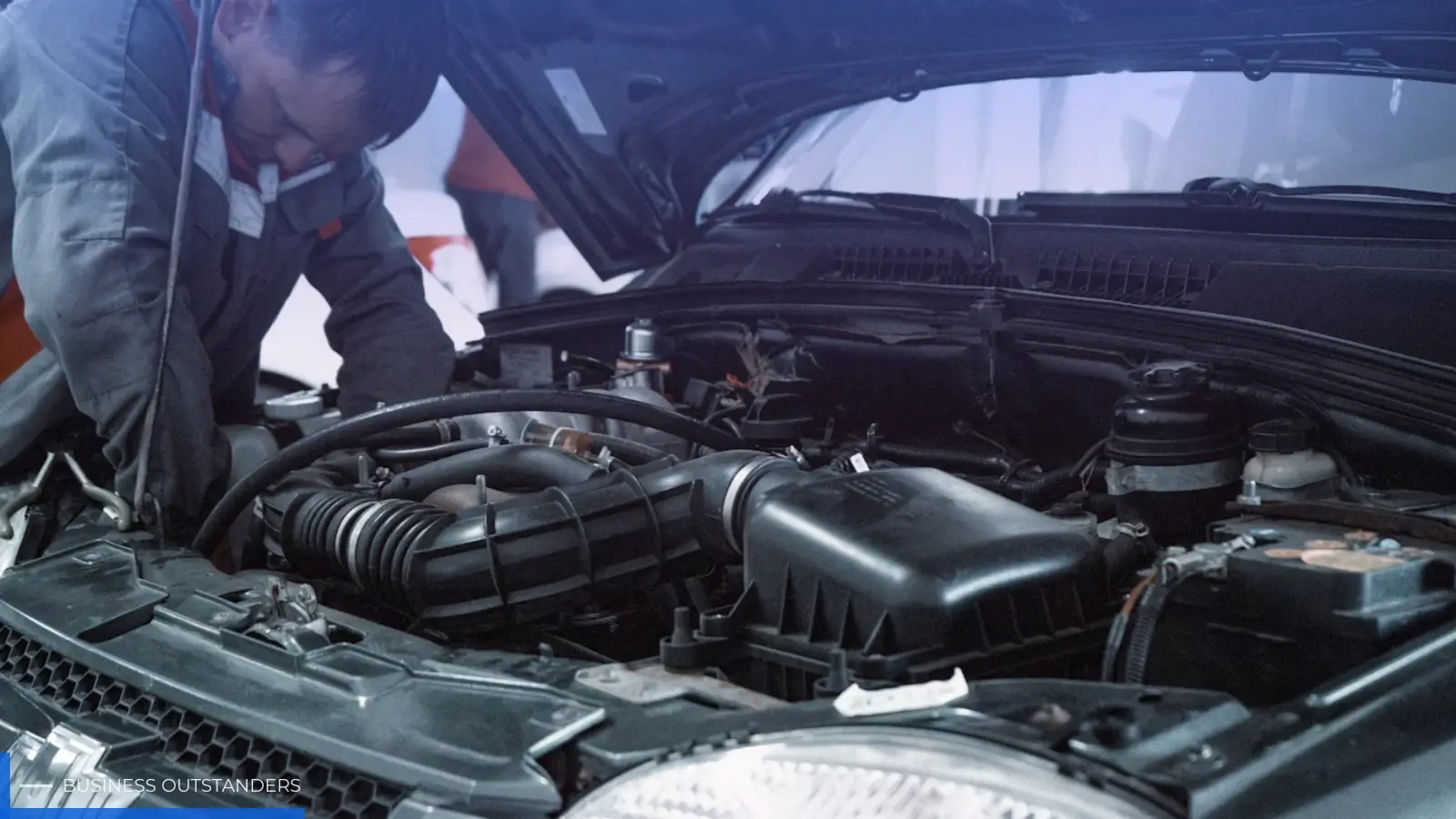
The engine is the heart of any car, and a careful inspection under the hood can reveal a lot about the vehicle’s overall health. Start by checking the engine oil level and condition using the dipstick. Clean, amber-colored oil indicates good maintenance, while dark, sludgy oil suggests neglect.
Next, examine other fluids—coolant, transmission fluid, power steering fluid, and brake fluid. Coolant should be brightly colored and free of debris, while transmission fluid should be pinkish and smooth, not dark or burnt-smelling. Low fluid levels could mean leaks or poor upkeep.
Check for visible leaks under the car or around the engine bay. Oil spots, coolant drips, or corrosion near fluid reservoirs are red flags. Also, inspect the belts and hoses for cracks, fraying, or signs of wear—these are inexpensive parts to replace but critical for the engine’s operation.
Listen to the engine idle. It should run smoothly without knocking, ticking, or rough vibrations. A well-maintained Toyota, Honda, or Ford from Findlay will typically have a steady, consistent idle, a sign that the vehicle has been properly serviced.
Finally, ask the dealership for the vehicle’s service records. These documents confirm whether regular maintenance—like oil changes, brake inspections, and filter replacements—has been performed on schedule.
Evaluate the Interior and Comfort Features
Once you’ve verified that the exterior and engine are in good shape, step inside to assess the interior condition. The interior reflects how previous owners cared for the car and can influence your overall driving comfort and satisfaction.
Start by checking the upholstery for stains, tears, or burns. Leather seats should be supple and free of cracks, while cloth interiors should be clean and odor-free. Pay attention to the headliner, dashboard, and carpeting for any signs of moisture damage or mold, which could indicate leaks.
Next, inspect all interior controls. Test the air conditioning and heating systems to ensure they work effectively. Turn on the radio, infotainment system, and navigation features—modern vehicles often include touchscreen systems that should respond smoothly and connect easily to smartphones.
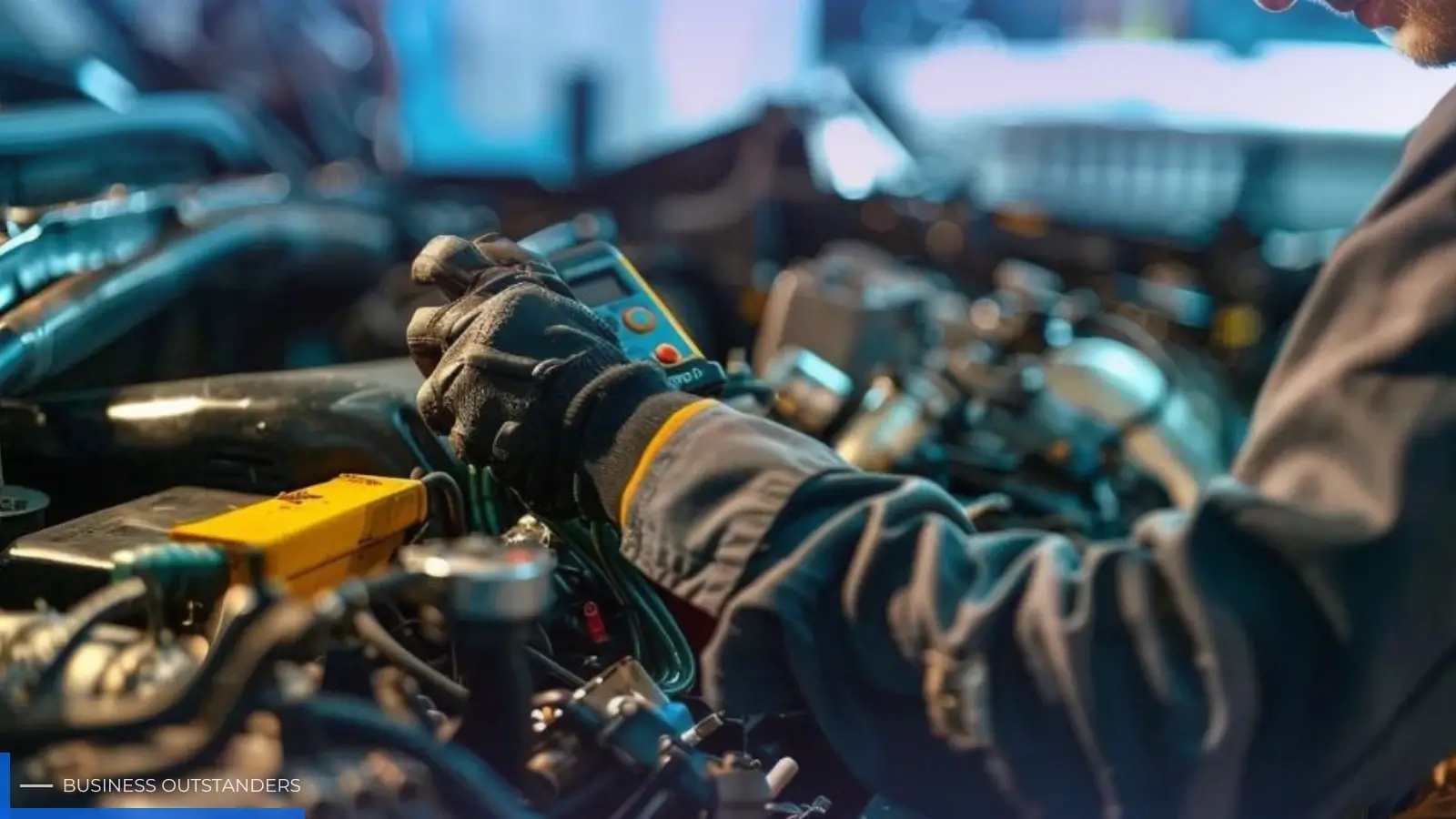
Check the power windows, locks, mirrors, and seat adjustments. If any electronic component doesn’t function properly, it might point to electrical issues that could require repair. Also, confirm that all safety features, such as airbags and seatbelts, are intact and working correctly.
Finally, sit in the driver’s seat and assess comfort and visibility. Make sure you have a clear view of the road, and adjust the seat and steering wheel to ensure an ergonomic driving position. A test of the horn, wipers, and defoggers is also necessary to ensure safety during inclement weather.
Take a Comprehensive Test Drive
A test drive is one of the most important steps in evaluating a vehicle. It’s your chance to experience how the car performs under real driving conditions and to identify any hidden issues. Begin by observing how easily the vehicle starts. The engine should fire up quickly without hesitation or strange noises.
As you drive, pay attention to acceleration, braking, and steering response. The car should accelerate smoothly and shift gears effortlessly, whether it has an automatic or manual transmission. Any hesitation, jerking, or grinding noises during gear changes could signal transmission problems.
Braking should feel firm and consistent, without vibrations or pulling to one side. If the steering feels loose or the vehicle drifts while driving straight, it could indicate alignment issues.
Listen closely for unusual sounds—rattling, clunking, or humming noises can reveal underlying mechanical or suspension problems. Try driving on different road types (smooth roads, rough patches, and curves) to assess ride comfort and handling.
Also, check the vehicle’s technology features while driving. Test the backup camera, lane assist, and parking sensors if equipped. These modern safety tools should function reliably and display clear visuals.
Verify Vehicle History and Documentation
Before committing to your purchase, always review the vehicle’s history report and official documentation. Ask the dealership for the VIN (Vehicle Identification Number) and use it to access reports from trusted sources like CARFAX or AutoCheck. These reports can reveal previous ownership history, accident records, mileage accuracy, and whether the car has ever been reported as salvage or flood-damaged.
Confirm that the vehicle’s mileage matches what’s listed on the dashboard and in its service records. Inconsistencies could suggest odometer tampering. Also, check for any recalls and verify whether they’ve been resolved.
Reputable dealerships like Findlay provide transparency by offering detailed history reports and maintenance records upfront, ensuring customers know exactly what they’re buying.
Conclusion
Buying a car is an exciting experience, but it’s also one that requires careful attention to detail. By following this comprehensive vehicle inspection checklist, you can confidently assess a car’s condition and avoid unexpected surprises after purchase. From examining the exterior and tires to evaluating the engine, interior, and driving performance, each step helps you make a well-informed decision.
When shopping at a trusted location, taking the time to conduct your own inspection—alongside professional evaluations—guarantees a smoother, more transparent buying process. Remember, a thorough inspection today means greater safety, reliability, and peace of mind for the miles ahead.
Business Outstanders brings you sharp insights on tech, business, entrepreneurship, law, crypto, and more. We uncover what’s next. Stay updated, sign up for our newsletter and be part of the future!