In the complex world of trucking, choosing the right warranty for your vehicle is a critical decision that impacts long-term operational efficiency and cost management. Heavy duty and medium duty trucks each have unique requirements and potential issues, such as timing chain replacement or fuel injector cleaning, which can significantly affect warranty costs and coverage. This article will help you navigate the intricacies of heavy duty and medium duty truck warranties, explore the differences in coverage, and assess which offers better protection for your trucking needs.
Heavy Duty Truck Warranty Coverage Overview
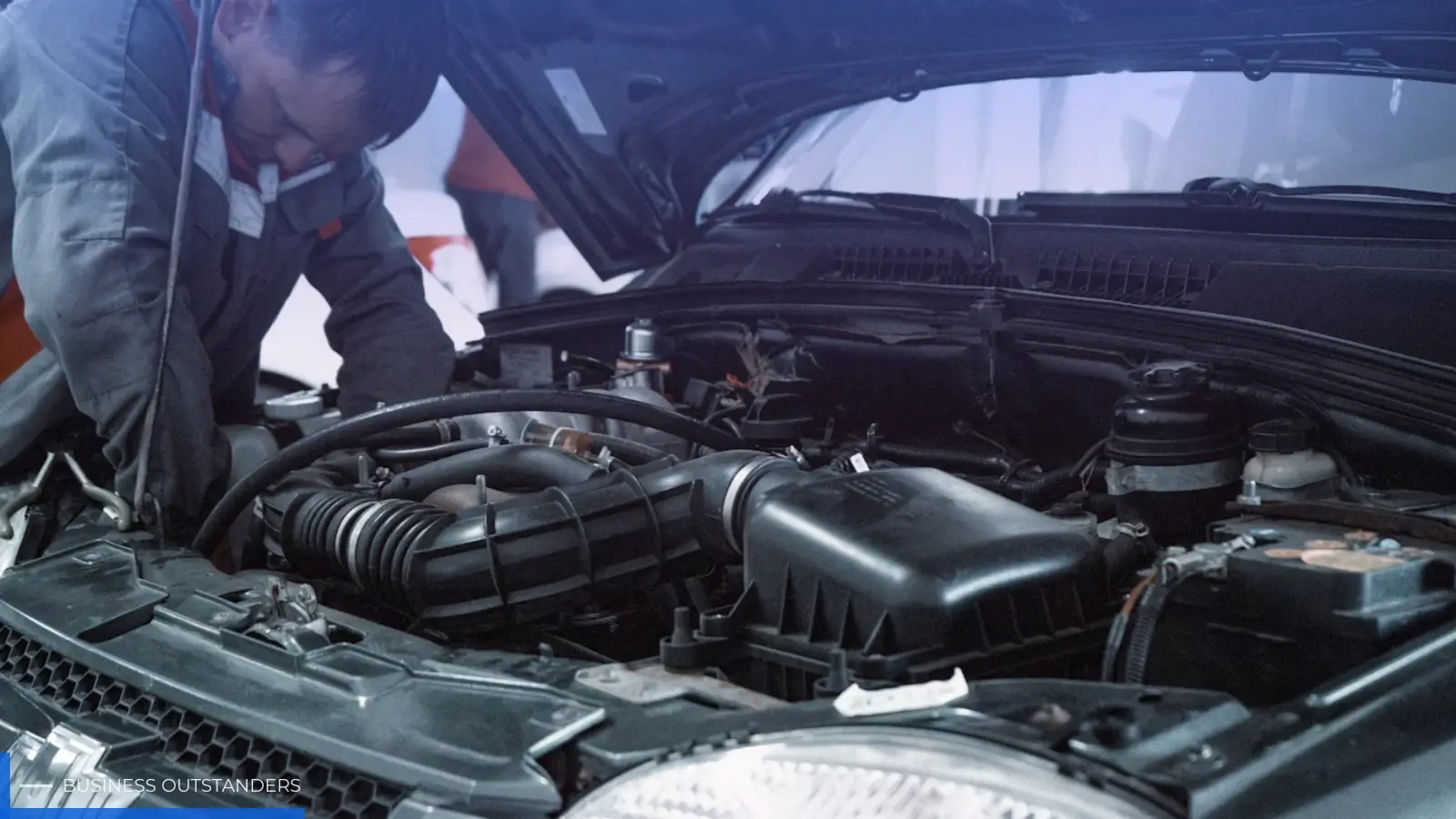
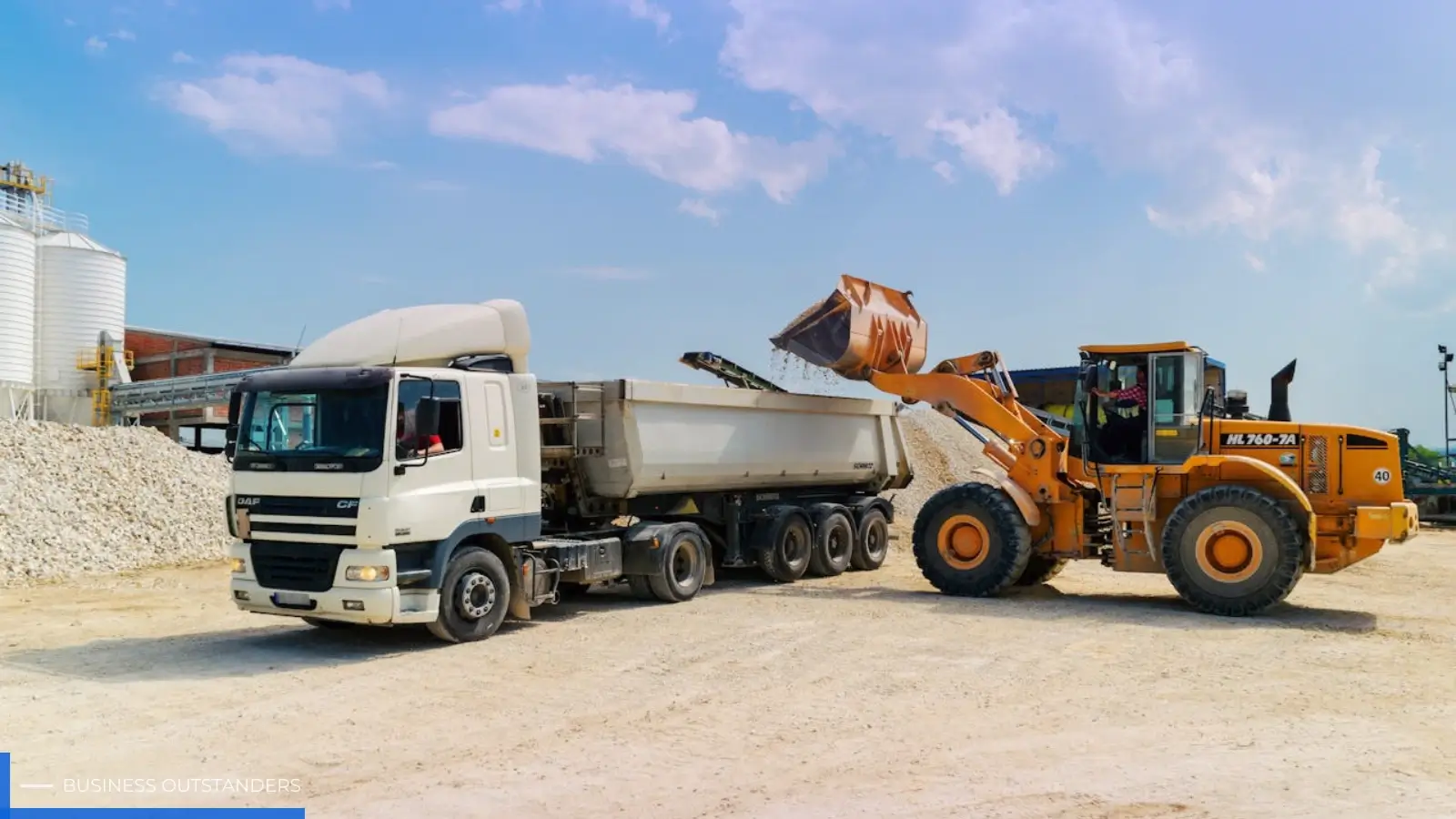
Heavy duty trucks, often used for long-haul transportation, require robust warranty coverage to address the high-stress demands placed on components such as the powertrain and chassis. A typical heavy duty Truck Warranty covers major components like the engine control unit (ECU), powertrain control module, and torque converter. Given the frequency of extensive wear-and-tear operations, coverage also often includes the brake fluid flush and catalytic converter replacement.
One of the primary benefits of a heavy duty Truck Warranty is the inclusion of advanced diagnostic tools like the OBD-II scanner, which can help identify potential issues before they become costly problems. This proactive approach to maintenance helps ensure trucks remain roadworthy and compliant with regulatory standards. However, the expansive coverage comes at a higher premium, which is justified by the potential savings on extensive repairs.
For comprehensive protection, consider the options provided by Truck Warranty. This coverage can effectively mitigate the high costs associated with heavy duty truck repairs.
Exploring Medium Duty Truck Warranty Protection
Medium duty trucks, often used for regional deliveries and utility services, require a different warranty approach. These vehicles have different operational demands, such as lower average mileage and less intensive loads. Typical warranty coverage for medium duty trucks includes the ball joint press, treadwear indicator, and SRS system, focusing on the unique wear patterns and safety features of these vehicles.
The cost of medium duty truck warranties is generally lower than that of heavy duty trucks due to the reduced risk of severe component failure. However, this doesn't mean that coverage is any less comprehensive. Medium duty warranties often include VIN decoding services and ECU tuning for improved vehicle performance and compliance with emission standards.
Overall, the warranty coverage for medium duty trucks is tailored to ensure optimal functionality and safety, making it a cost-effective choice for businesses with regional delivery operations. For further information, explore resources like Understanding Commercial Truck Warranties for more insights.
Comparing Durability and Costs Between Heavy and Medium Duty Warranties
When comparing the durability and costs of heavy and medium duty truck warranties, it's crucial to consider the operational environment and workload of each vehicle type. Heavy duty trucks are subject to more intense driving conditions, requiring warranties that cover high-stress components like the chassis dynamometer and compression ratio adjustments. These warranties are generally more expensive but offer extensive coverage that protects against significant repair costs.
In contrast, medium duty truck warranties focus on components that are more prone to wear under lighter loads, such as the treadwear indicator and ball joint press. The cost-effectiveness of these warranties lies in their tailored coverage, which addresses specific needs without the added expense of unnecessary protection.
Ultimately, the decision between heavy and medium duty truck warranties should be based on a careful evaluation of operational needs and budget constraints. For further assistance, check out resources like Comparing Truck Warranties to make an informed decision.
Choosing the Right Warranty for Your Trucking Needs
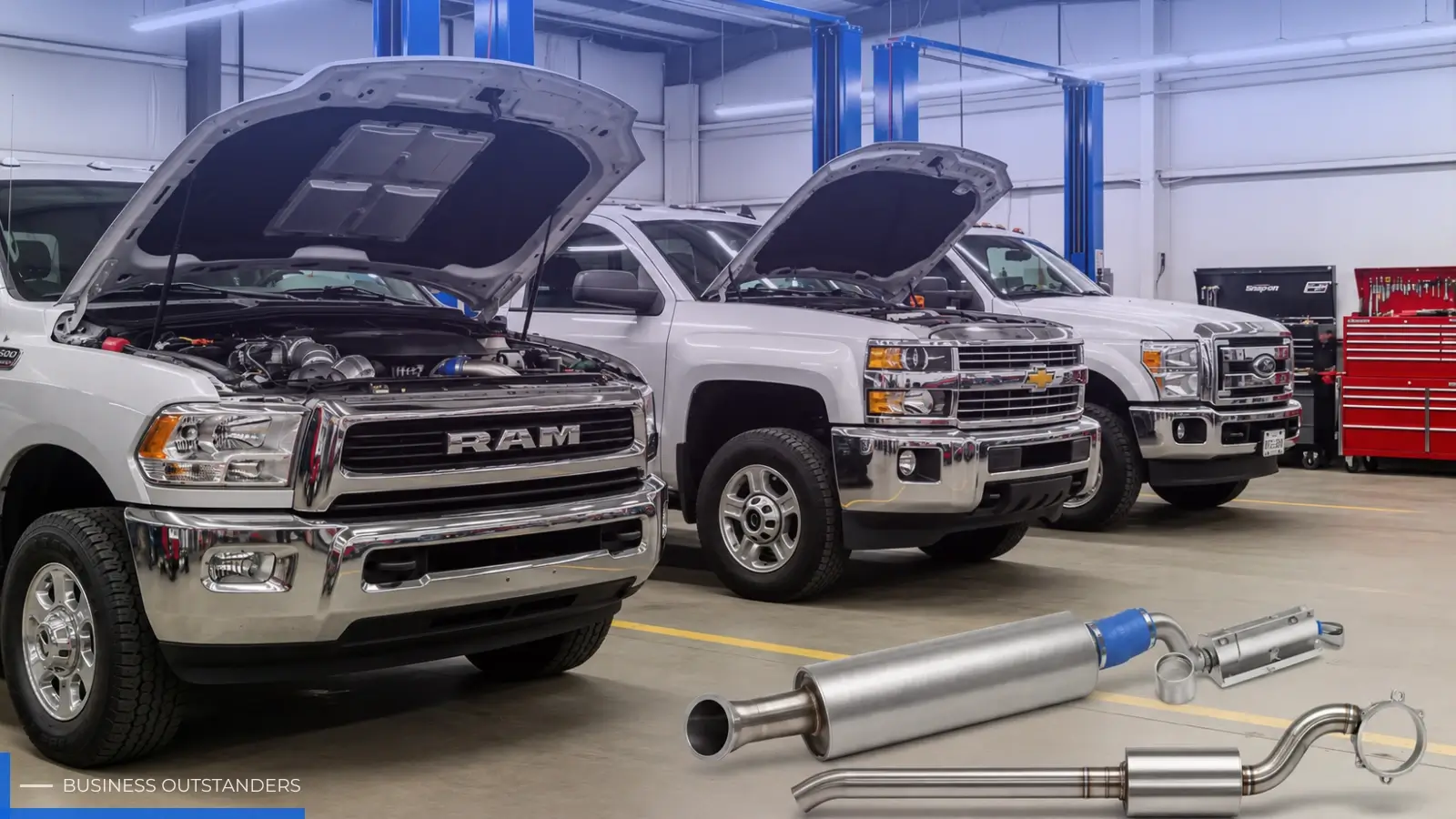
Selecting the appropriate warranty for your trucking needs requires a thorough understanding of your vehicle's operational demands and potential maintenance requirements. Heavy duty trucks benefit from warranties that cover high-cost repairs and advanced diagnostics, which can significantly reduce downtime and expenses. Consider coverage that includes critical components like the engine control unit and torque converter for maximum protection.
For medium duty trucks, focus on warranties that address specific maintenance needs related to regional operation, such as ECU tuning and SRS system checks. These warranties offer a balanced approach to cost and coverage, ensuring your vehicles remain reliable and efficient without excessive financial burden.
Ultimately, the right warranty should align with your operational goals, providing peace of mind and financial protection against unexpected repairs. By understanding the differences in coverage and cost between heavy and medium duty truck warranties, you can make an informed decision that best suits your fleet's needs.
Conclusion
Heavy duty and medium duty truck warranties each offer unique benefits tailored to the specific demands of their respective vehicle types. By evaluating the distinct coverage options and associated costs, you can choose a warranty that aligns with your operational requirements and budget. Investing in the right warranty not only ensures reliable vehicle performance but also provides financial protection against unforeseen repair costs, making it a crucial aspect of effective fleet management.
Business Outstanders brings you sharp insights on tech, business, entrepreneurship, law, crypto, and more. We uncover what’s next. Stay updated, sign up for our newsletter and be part of the future!