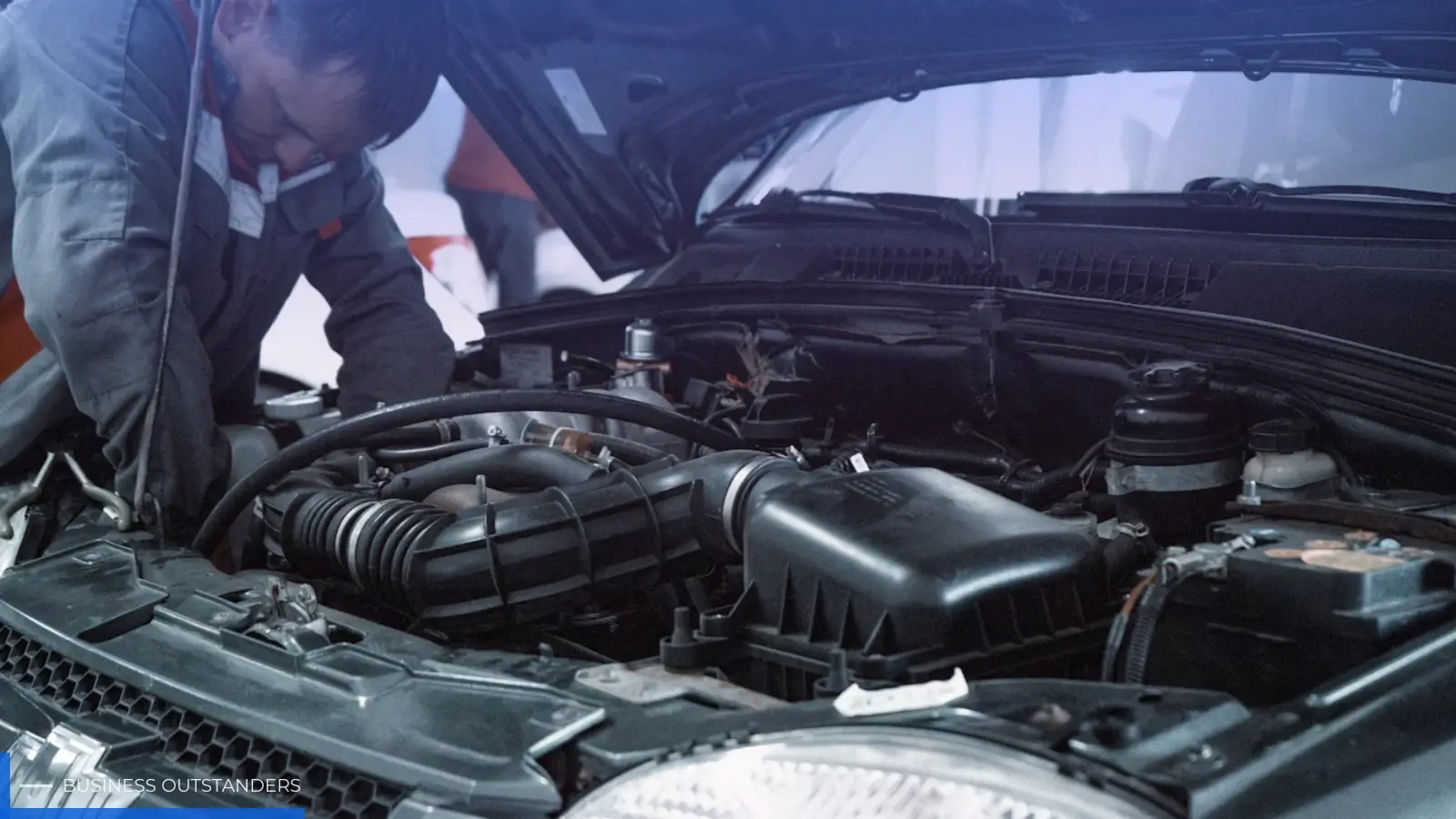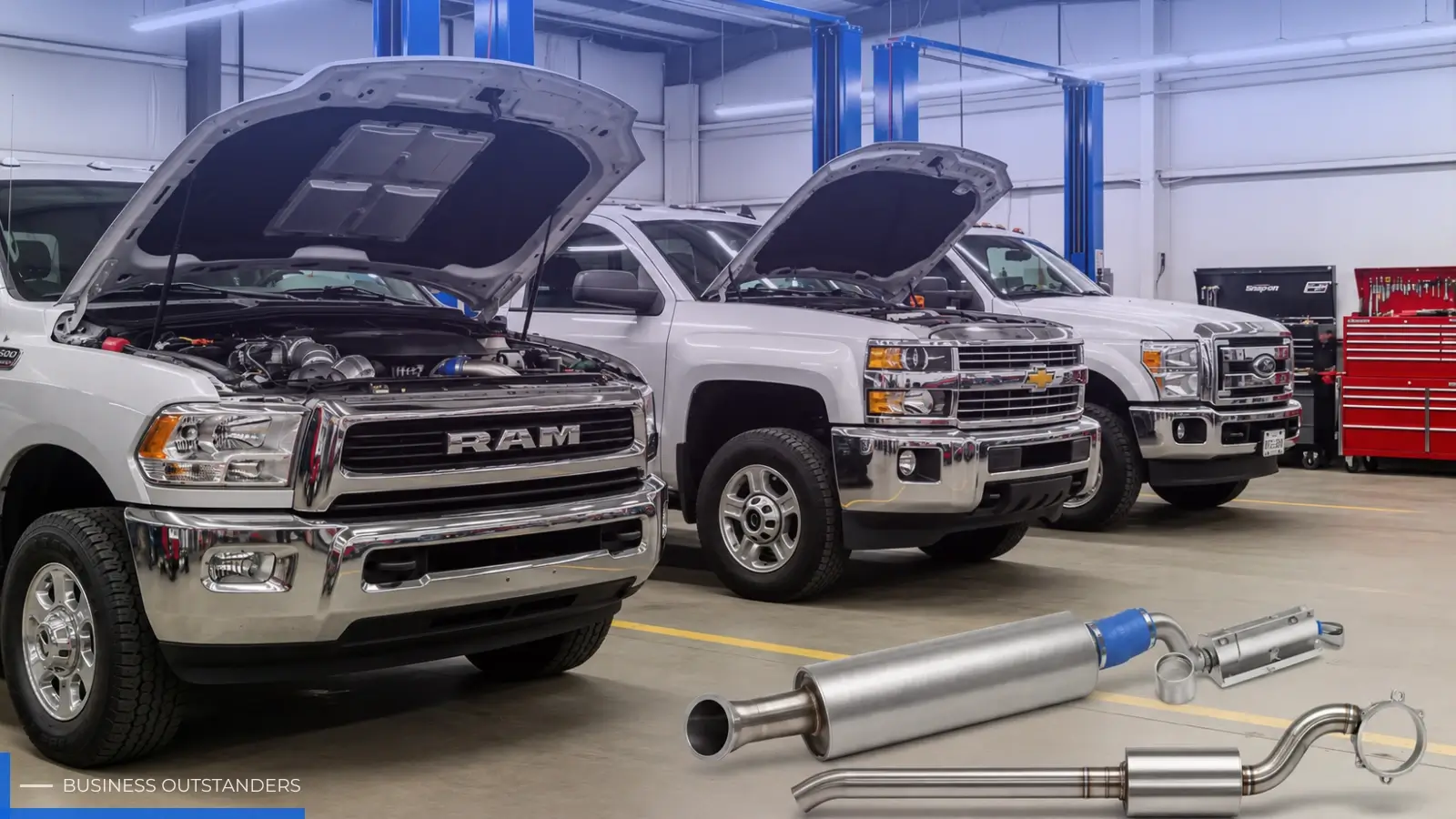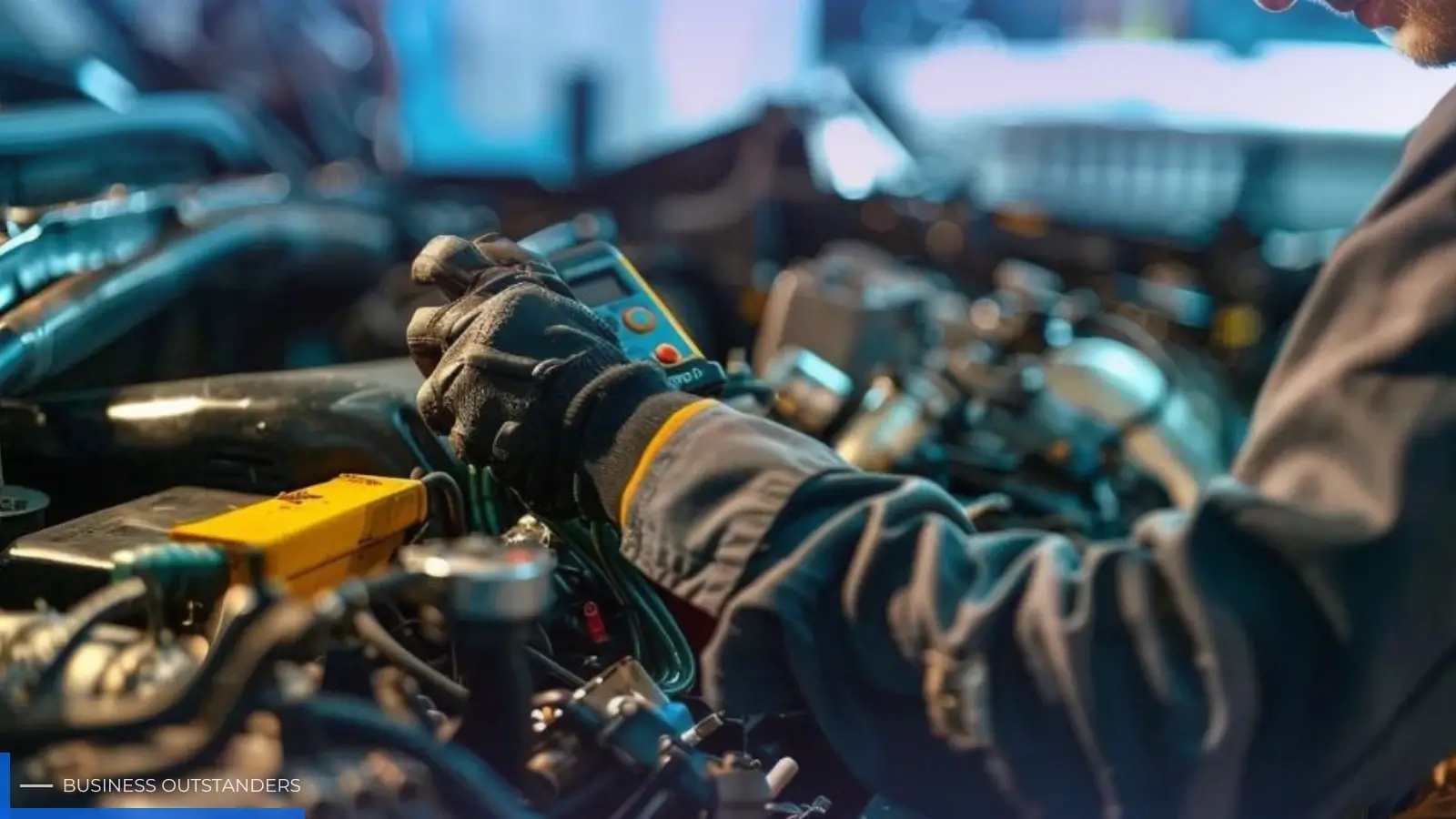
Buying a used car can be an excellent way to save money while still obtaining a reliable vehicle. However, with pre-owned vehicles, ensuring all systems are functioning correctly is crucial for safety, comfort, and long-term satisfaction. One critical system that often goes overlooked is the air conditioning (AC). A properly functioning AC system is essential not just for comfort during hot months, but also for safety, as it prevents driver fatigue and maintains clear windows in humid conditions. For dealerships, prioritizing AC checks is an integral part of providing quality vehicles. When browsing used car lots in Wichita Falls, Texas, customers expect that every pre-owned vehicle has been thoroughly inspected, including its air conditioning system. This article outlines the essential AC checks that every used car lot should perform to ensure customer satisfaction and vehicle reliability.
Inspect the AC Compressor and Belt
The AC compressor is the heart of the air conditioning system, responsible for pressurizing the refrigerant and enabling the cooling process. Dealerships should ensure that the compressor is functioning correctly before offering a used vehicle for sale. During inspections, technicians check for unusual noises, leaks, or signs of wear. A faulty compressor can compromise the system’s efficiency and lead to expensive repairs.
Equally important is the AC belt, which drives the compressor. Cracks, fraying, or glazing on the belt can indicate impending failure. Used car lots should replace worn belts to prevent breakdowns, ensuring that the AC system operates smoothly for the next owner. Dealerships emphasizing this inspection demonstrate a commitment to both quality and customer satisfaction.
Test Refrigerant Levels
Refrigerant is the medium that cools the air inside the cabin, and incorrect levels can significantly reduce AC performance. Low refrigerant levels are often caused by leaks, while overcharged systems can strain components and reduce longevity. Used car lots should measure refrigerant levels using specialized gauges and compare them to manufacturer specifications.
If refrigerant levels are low, technicians should identify the source of any leaks and repair them before recharging the system. Proper refrigerant maintenance not only ensures optimal cooling performance but also prevents environmental harm, as many refrigerants are potent greenhouse gases. Conducting this check is an industry standard for dealerships aiming to maintain vehicle quality.
Examine AC Hoses and Connections
AC hoses and connections carry refrigerant between the compressor, condenser, evaporator, and expansion valve. Over time, hoses can develop cracks, leaks, or wear at connection points, which can lead to system failure. Dealerships should carefully inspect all hoses for damage, signs of corrosion, or leaks.
Connections should be tight, secure, and free from signs of oil residue, which can indicate a refrigerant leak. Replacing worn hoses and repairing faulty connections ensures the AC system remains reliable and efficient. Additionally, thorough inspections demonstrate the dealership’s attention to detail and commitment to providing vehicles in excellent condition.
Evaluate the Condenser and Evaporator
The condenser and evaporator are essential components of the AC system. The condenser dissipates heat from the refrigerant, while the evaporator absorbs heat from the cabin air. Dealerships should check the condenser for damage such as bent fins, debris buildup, or leaks. A clogged or damaged condenser can reduce cooling efficiency and increase system strain.
The evaporator should also be inspected for leaks or corrosion. A leaking evaporator can result in inadequate cooling and moisture accumulation, which can lead to mold or unpleasant odors in the cabin. Ensuring that both components are in good working order helps maintain the vehicle’s comfort and air quality, which is particularly important in regions with hot or humid climates like Wichita Falls, Texas.
Test AC Performance During Operation
A practical performance test is one of the most effective ways to ensure the AC system functions as intended. Used car lots should run the AC system with the engine at normal operating temperature and check for consistent airflow and cooling efficiency. Technicians should measure the temperature of the air coming from the vents and compare it to manufacturer specifications.
Dealerships should also observe the system for unusual noises, vibrations, or fluctuating airflow, which may indicate underlying problems such as refrigerant issues, compressor malfunctions, or blocked vents. Performing this operational test helps guarantee that customers drive away with a fully functioning system that meets comfort expectations.
Inspect Cabin Air Filters
Cabin air filters play a crucial role in maintaining air quality within the vehicle and ensuring proper airflow from the AC system. Dirty or clogged filters can reduce cooling efficiency and strain the system while allowing dust, pollen, and allergens to circulate in the cabin.
Used car lots should inspect and, if necessary, replace cabin air filters during the AC check. Dealers often highlight clean, well-maintained filters as part of a comprehensive pre-sale inspection, reassuring customers that the vehicle is hygienic and the AC system performs optimally.
Check Electrical Components
Modern AC systems rely heavily on electrical components, including relays, switches, sensors, and the control module. Dealerships should test these components to ensure proper function. Faulty wiring, blown fuses, or malfunctioning sensors can disrupt the system and prevent the AC from operating efficiently.
Technicians should verify that all controls, knobs, and digital interfaces respond correctly and that the system cycles on and off without issues. This check ensures reliability and minimizes the likelihood of post-purchase problems, contributing to customer confidence and dealership credibility.
Perform Leak Detection Tests
Leaks are a common cause of AC system failure in used vehicles. Dealerships should perform thorough leak detection tests using tools like UV dye, electronic leak detectors, or bubble tests. Identifying and repairing leaks before sale is crucial for system efficiency and environmental compliance.
A properly sealed AC system ensures that refrigerant levels remain stable, cooling performance is consistent, and the system is less prone to mechanical stress. By addressing leaks proactively, used car lots protect their reputation and provide added value to customers.
Document Maintenance and Service Records
Finally, maintaining comprehensive records of AC inspections, repairs, and maintenance is essential for transparency and trust. Dealers should document all checks performed, parts replaced, and any services rendered. Providing customers with these records not only demonstrates professionalism but also reassures them that the vehicle has been thoroughly inspected and maintained.
Documentation may include details on refrigerant levels, filter changes, compressor condition, and performance test results. Sharing this information can help buyers understand the vehicle’s condition and make informed decisions, which strengthens the dealership’s reputation for quality and reliability.
Conclusion
Air conditioning is a critical component of vehicle comfort and safety, especially in regions with hot climates. Used car lots have a responsibility to ensure that every vehicle they sell has a fully functioning and reliable AC system. By performing thorough inspections—covering the compressor, belts, refrigerant levels, hoses, condenser, evaporator, cabin filters, electrical components, and leak detection—dealerships can provide customers with confidence and peace of mind.
Business Outstanders brings you sharp insights on tech, business, entrepreneurship, law, crypto, and more. We uncover what’s next. Stay updated, sign up for our newsletter and be part of the future!