Buying a car is a major investment, and purchasing from a pre-owned lot requires careful attention to detail. When exploring used car dealerships in Pompano Beach, FL, understanding how to inspect vehicles thoroughly can save you from costly mistakes. With the right approach, buyers can spot potential problems, verify vehicle history, and negotiate confidently. By following a few key strategies, you can ensure that the car you choose meets your needs, budget, and expectations while avoiding surprises after the sale.
Tip 1: Conduct a Thorough Exterior Inspection
The exterior of a vehicle often reveals hidden issues that could indicate previous accidents, poor maintenance, or future repairs. Begin by walking around the car slowly and examining the body panels, paintwork, and alignment. Look for dents, scratches, or rust spots, and check for mismatched paint that could signal repairs from a collision. Inspect the tires for uneven wear, which can indicate suspension or alignment problems. Don’t forget to examine the lights, mirrors, and windshield for cracks or damage. A careful visual inspection is the first step in identifying any red flags before moving on to the vehicle’s interior and mechanical components.
Tip 2: Inspect the Vehicle’s Interior and Features
Once the exterior check is complete, focus on the car’s interior. Seats, carpets, and dashboard components should be in good condition without excessive wear or stains. Verify that all electronics and features function properly, including the infotainment system, air conditioning, power windows, locks, and lights. Pay attention to unusual odors, which may indicate water damage or mold. Check the odometer to confirm mileage, but also consider signs of tampering, such as misaligned numbers or inconsistencies with service records. A well-maintained interior often reflects the overall care a previous owner took with the vehicle.
Tip 3: Evaluate the Mechanical Condition
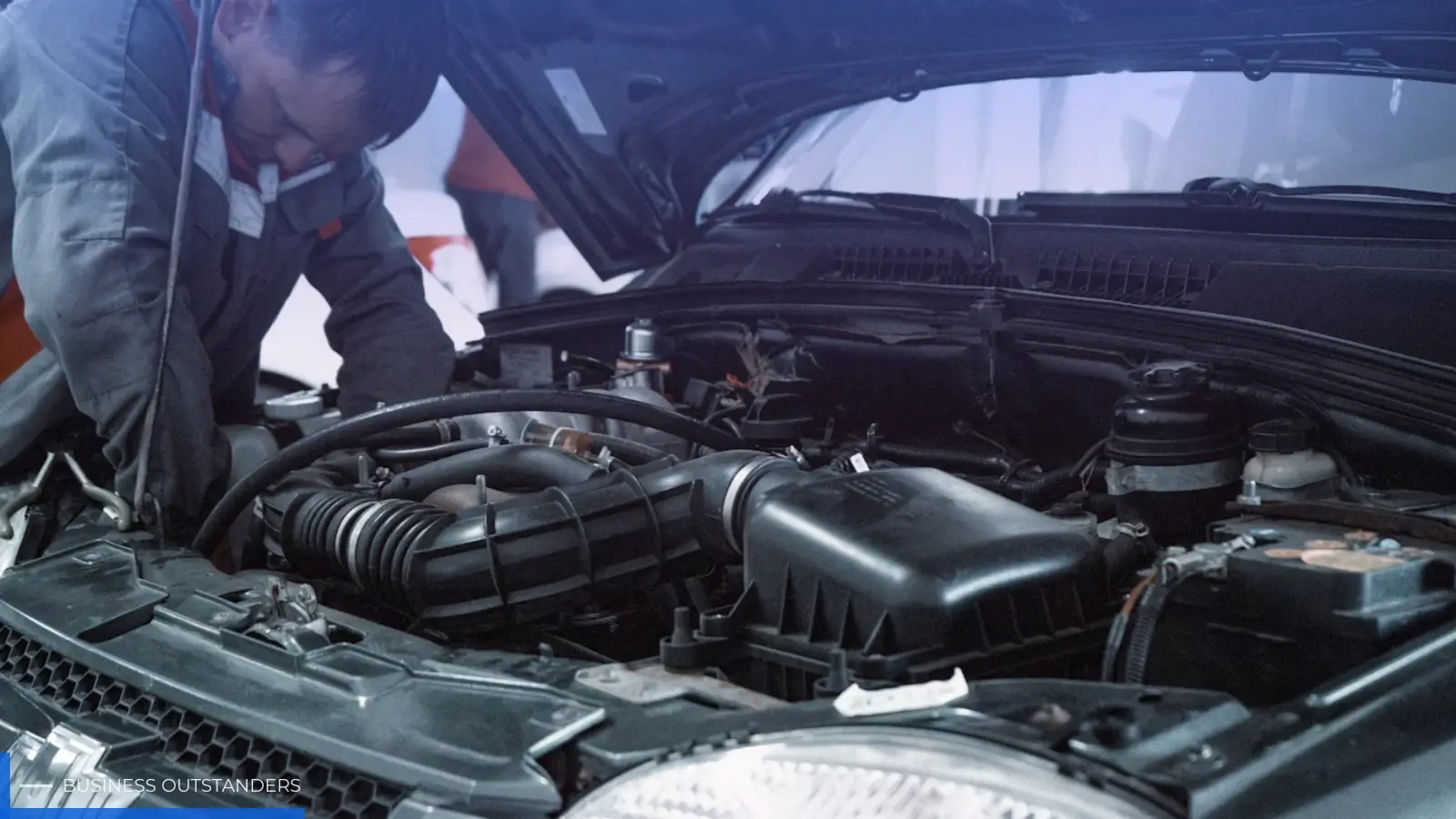
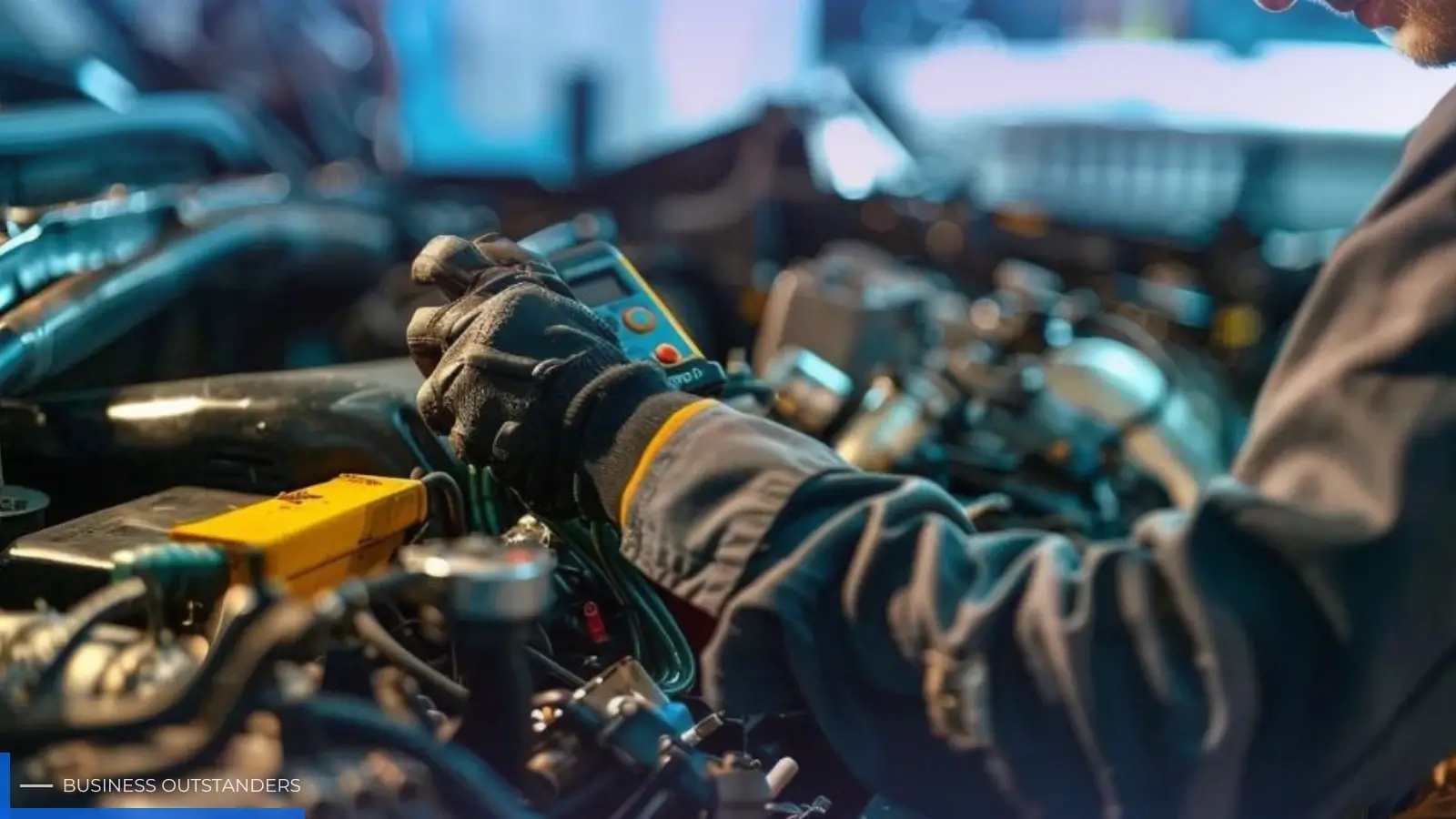
The most critical part of inspecting a car involves understanding its mechanical health. Start by checking under the hood for fluid levels, leaks, and signs of corrosion. Oil, coolant, brake fluid, and transmission fluid should be clean and at appropriate levels. Listen to the engine during startup for irregular noises, such as knocking or hissing, which may indicate underlying issues. Testing the brakes, steering, and suspension while driving is equally important. Pay attention to vibrations, pulling to one side, or unusual sounds during acceleration or braking. If you’re unsure, consider hiring a certified mechanic to perform a pre-purchase inspection for a professional assessment.
Understanding the Vehicle History
Alongside physical inspection, reviewing a car’s history report is essential. Many dealerships provide reports from reputable sources showing past accidents, title status, and maintenance records. Pay close attention to any red flags, such as salvage titles, flood damage, or multiple ownership changes in a short period. Consistent maintenance records suggest that the vehicle was cared for properly, while gaps or missing service information may signal potential issues. By combining the vehicle history with your inspection, you gain a more complete understanding of the car’s reliability and long-term value.
Check for Signs of Accident Repairs
Even if a car looks great on the surface, hidden accident repairs can impact safety and performance. Examine welds, seams, and panel gaps to detect signs of bodywork. Uneven gaps or irregular finishes may indicate past damage. Look under the car for new parts or mismatched components, which could be a result of repair work. Additionally, inspect the alignment of doors, trunk, and hood, as misalignment is often a result of previous collisions. Identifying accident repairs before purchasing ensures you are fully aware of the vehicle’s history and potential vulnerabilities.
Test Drive Thoroughly
A test drive provides invaluable insight into the car’s performance and handling. Start by driving in a variety of conditions, including city streets, highways, and uneven surfaces. Evaluate acceleration, braking, and steering responsiveness. Pay attention to unusual vibrations, noises, or warning lights on the dashboard. Test the transmission in both automatic and manual modes if applicable. During the drive, check for smooth gear shifts, consistent braking performance, and comfortable handling. A careful test drive often reveals issues that may not be apparent during a visual inspection alone.
Examine the Tires and Suspension
Tires and suspension are critical to safety and comfort. Check the tire tread depth and look for signs of uneven wear, which may indicate alignment or suspension problems. Press down on each corner of the car to assess the suspension; the car should rebound smoothly without excessive bouncing. Inspect shocks and struts for leaks or damage, as worn suspension components can affect handling and lead to uneven tire wear. Properly maintained tires and suspension ensure a safer, smoother driving experience and can save money on future repairs.
Verify the Braking System
The braking system is one of the most important safety features of any vehicle. During inspection, examine brake pads, discs, and rotors for wear and damage. Listen for squealing, grinding, or other unusual sounds when applying the brakes during the test drive. Check for consistent brake pressure and responsiveness. If there are any doubts about brake condition, request a professional evaluation. A reliable braking system not only ensures your safety but also protects your investment in the vehicle.
Consider Professional Inspection Services
Even with careful personal inspection, some issues may be difficult to detect. Hiring a professional mechanic for a pre-purchase inspection is a wise investment. They can perform detailed diagnostics on the engine, transmission, brakes, and electrical systems. Mechanics also have the tools to identify hidden problems, such as fluid leaks, frame damage, or worn components. While this service may involve an additional cost, it can prevent expensive repairs down the road and provide peace of mind when purchasing a used vehicle.
Review Warranty and Dealer Policies
Before finalizing a purchase, review any warranties, return policies, or service agreements offered by the dealership. Some used car dealerships provide limited warranties covering major components, while others may offer extended plans for additional coverage. Understanding these terms helps buyers make informed decisions and ensures protection in case of unexpected issues. Clarifying dealership policies on returns, exchanges, or repairs can prevent misunderstandings and build confidence in your purchase.
Conclusion: Making a Confident Purchase
Inspecting a car thoroughly at a used dealership is essential to avoid surprises and ensure a sound investment. By focusing on exterior condition, interior features, mechanical health, vehicle history, and professional inspections, buyers can make informed decisions. Additionally, conducting a detailed test drive, examining tires, suspension, and brakes, and reviewing warranties will provide further assurance.
Business Outstanders brings you sharp insights on tech, business, entrepreneurship, law, crypto, and more. We uncover what’s next. Stay updated, sign up for our newsletter and be part of the future!