If you’ve ever sat with a sketch, a hand-drawn concept, or a quick note and thought, “I just wish this looked like it in my head,” you’re in good company. For decades, creativity has followed a pattern: idea → rough sketch → designer tool → feedback loop. Slowly. With friction. With gaps between “what I meant” and “what I showed.”
Now, tools like Nano Banana and Mixboard are asking a simpler question: what if the gap could shrink—or disappear altogether? What if generating visuals, iterating, and sharing could feel as natural as having a conversation? Because that’s starting to be real.
What Nano Banana Actually Brings to the Table
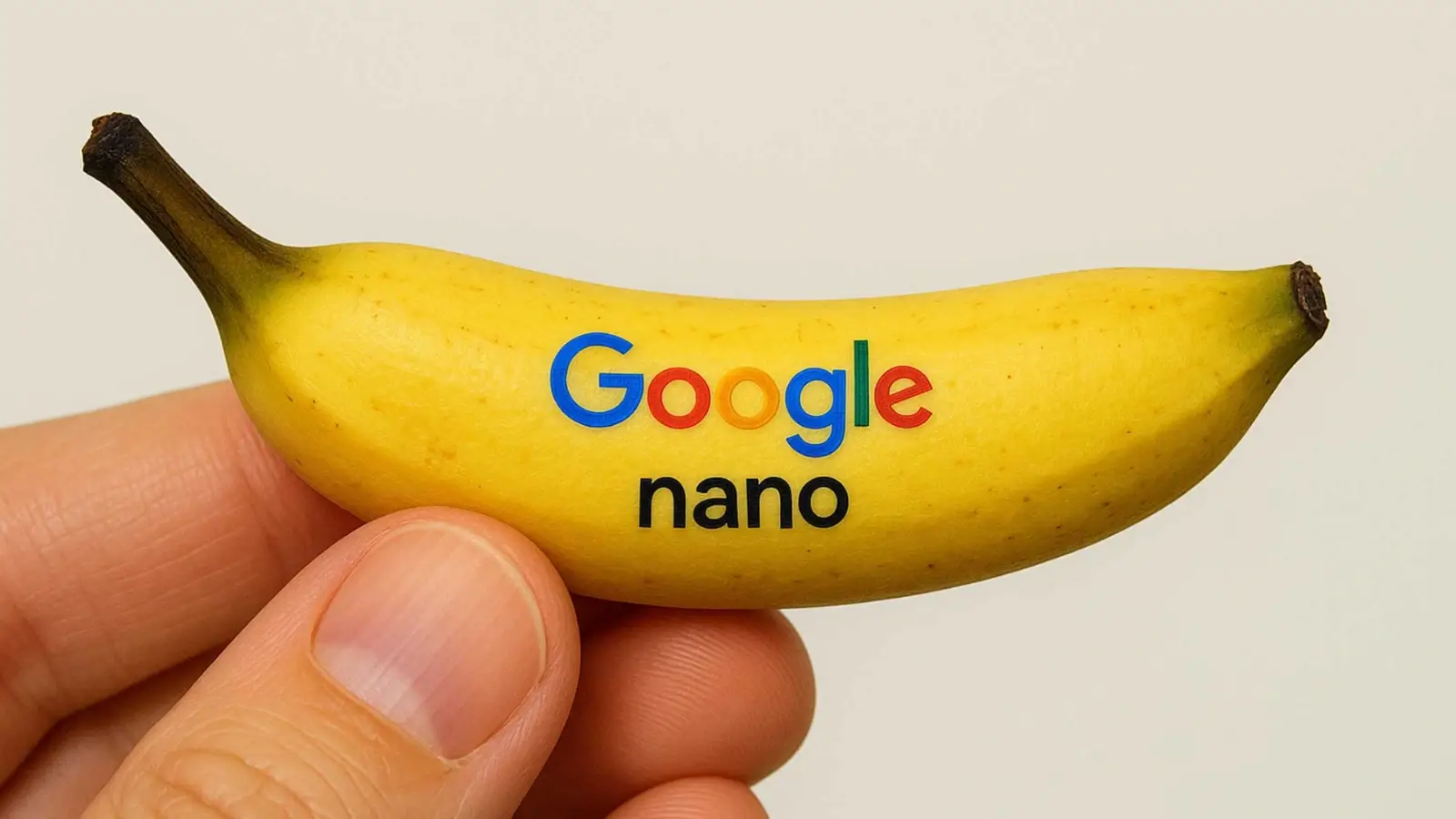
At first glance, Nano Banana looks like another AI image model. But dig a little deeper and you’ll see its distinctive strength: it edits with consistency. Upload a photo of someone, ask for a mood shift or background change, and it returns something familiar—same person, same proportions—but changed in tone. That’s not trivial. It’s one thing to generate something new; it’s another to preserve identity while transforming context.
People using Nano Banana report being able to do steps that used to take hours in minutes. Feel the photo felt flat? Prompt “warm afternoon light, gentle shadows.” Want a backdrop change? “Turn forest backdrop into city skyline dusk.” Because the model preserves core subject features, each tweak builds on the last.
In short: Nano Banana AI makes image refinement feel iterative, not one-and-done. It lets you be playful, not precious.
And Then There’s Mixboard—the Canvas That Keeps Up
While Nano Banana evolves visuals, Google Mixboard gives them a home. The tool offers a drag-and-drop, prompt-enabled visual board where images, sketches, notes, and variants all live together. You start with a prompt or an upload, generate some visuals, then remix. You invite collaborators, layer ideas, shuffle until you find the right direction.
What this does is significant: it turns creation into process. The board is not the final deliverable—it’s a conversation. It’s “what if we did this?” and “what if we tried that?” It’s low-stakes, high-potential.
When mixed with Nano Banana’s editing power, you end up with this loop: prompt → edit → drop to board → remix → regenerate → share. It’s fast. It’s messy. It’s real. And that’s a big shift.
Why This Works for More Than Pro Designers
One of the quietest implications of this combo is who can now participate. Creatives, yes. But also non-designers. Educators. Startup founders. Hobbyists. People who had ideas but lacked the visual tool chain to show them.
Because: you don’t need months of training to get started. You need curiosity, a prompt, and a willingness to iterate. Nano Banana tolerates rough prompts. Mixboard AI tolerates rough sketches. The barrier is much lower than it used to be.
And when you bring someone else into the board to drop comments, pull visuals, remix—suddenly creativity looks social, immediate, playful. That matters if creative culture is about more than polished final decks—it’s about exploration and collaboration.
Use Cases That Illustrate the Power
Here’s a look at what’s feasible in the real world:
-
Brand concepting: A team needs visual direction for a new product line. They upload a rough photo, ask for “urban sports luxe” edits, drop those into Mixboard, label variants, pick one, iterate. Output: three strong directions in one afternoon.
-
Educational content: A teacher wants a module visual for “ancient marketplace twilight.” They generate a few edits, share the board with students, let them pick favorite styles, then export the best as slides.
-
Side-project makers: Someone building their own comic or game uses Nano Banana to refine characters and Mixboard to lay out story beats visually. They don’t wait for a designer—they iterate themselves.
-
Small business owners: On a tight budget and tight time window, they generate visuals for a seasonal campaign, share a board with their marketing team, pick, iterate, publish. The tool chain doesn’t feel heavy—it feels accessible.
These examples show the value: faster direction, less friction between idea and image, more play.
Table: Traditional vs. Nano Banana + Mixboard Workflow
|
Phase |
Traditional Approach |
Nano Banana + Mixboard Flow |
|
Early concept |
Text note → rough sketch → designer draft |
Prompt/upload → generate edits → board drop |
|
Collaboration |
Files exchanged, email threads, version confusion |
Live board shared, comments live, one source |
|
Iteration speed |
Days or hours per version |
Minutes per version |
|
Participant pool |
Designers and those trained in tools |
Creators, non-designers, teams, individuals |
|
Delivery format |
Final exported files |
Shared board + export when ready |
What It Means for Creative Culture
When tools become less of a barrier, what happens? Ideas get tried earlier. Mistakes happen faster. Experimentation becomes comfortable. That matters because creativity is as much about what you try as it is about what you finish.
Also: the mental model changes. When you think visually from the start, you stop writing long descriptions and start showing visuals instead. That speeds insight. It lowers risk. It gives everyone a sense of shared direction.
You also invite more diverse people into the mix. If you don’t need decades of Photoshop experience or a designer license, you’re more likely to try. More people try, more weird stuff happens. And weird stuff often leads to fresh ideas.
Challenges & Why They Matter
Of course, none of this is magic. You may run into:
-
Prompt drift: after multiple edits, the subject may lose cohesion.
-
Visual artifacts: especially in very abstract prompts or extreme stylization.
-
Board clutter: if you don’t prune your board, all the variants can overwhelm.
-
Final polish still needed: high-resolution deliverables often still go into professional design tools.
But understanding those limitations is part of the shift. You’re not waiting to be perfect—you’re iterating. The value is momentum, not polish.
Thinking Ahead: The Future of Visual Flow
Here’s what we’ll likely see next:
-
Voice prompts on boards: say what you want, see visuals update instantly.
-
Direct hand-off to final design templates: board evolves into ready assets.
-
Multi-user boards where teams work simultaneously, live, on visuals.
-
Marketplace of boards, templates, and prompt-packs for niche uses.
When visual ideation stops being linear and tool-heavy and becomes just part of your thought process, creative work becomes smoother. More fun. More inclusive. More experimental.
Final Thoughts
If you’ve ever hesitated because your tools felt too heavy, or your idea too vague, this shift matters. Nano Banana + Mixboard are not just tools—they’re enablers of idea momentum. They whisper: try now, remix later, share early.
When your next idea flickers, you don’t wait for everything to be perfect—you move it to the board, refine it in real time, show someone, iterate. Your visual thinking keeps pace with your mind instead of lagging behind it.
And that may be the real win: when creativity stops being slowed by tools and starts being propelled by them.
Business Outstanders brings you sharp insights on tech, business, entrepreneurship, law, crypto, and more. We uncover what’s next. Stay updated, sign up for our newsletter and be part of the future!