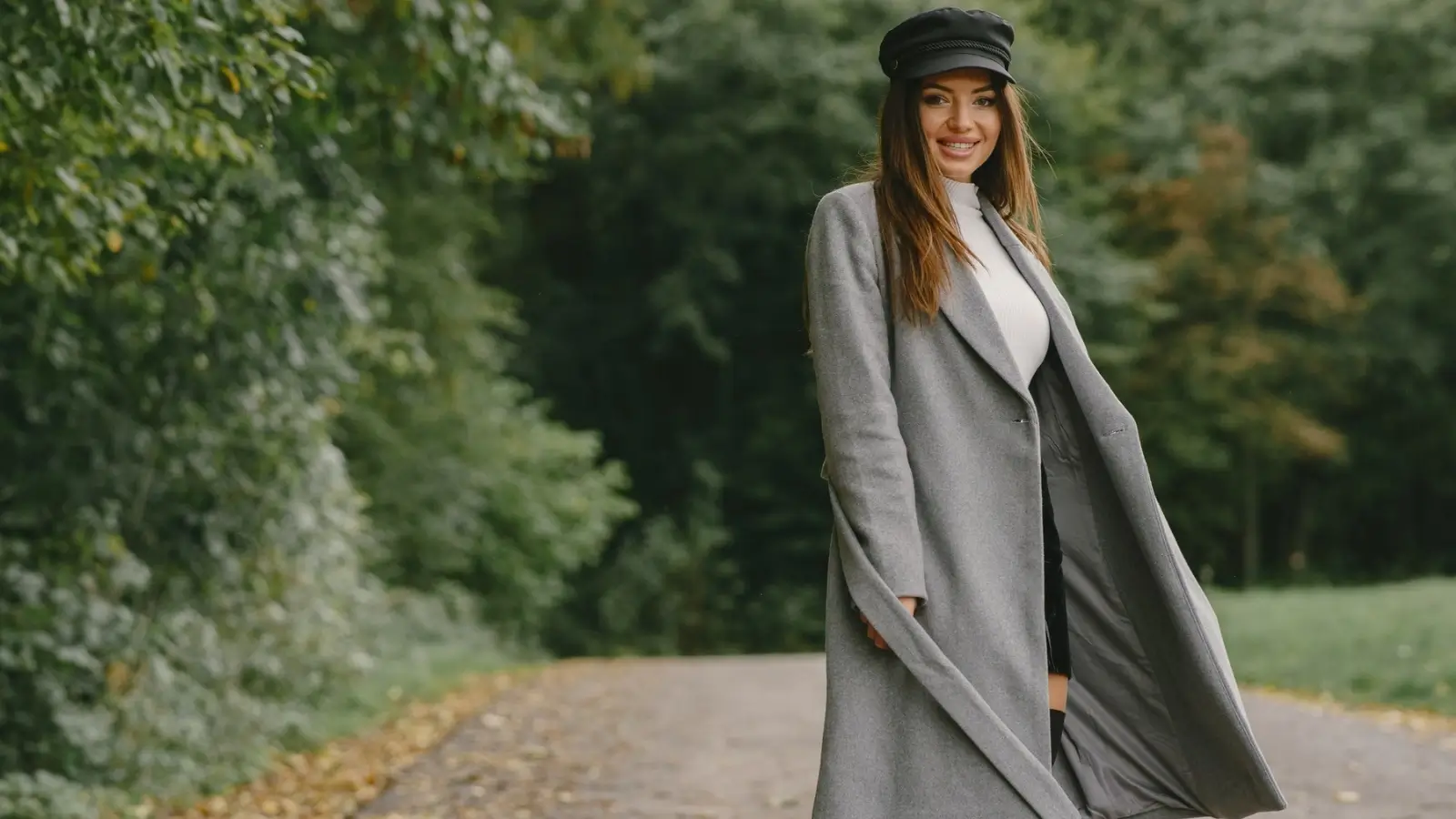
Wearing coats will soon be needed as the cold and chilly weather will be arriving soon. Warmth and coats go hand in hand, and a coat is one of the most winter staples. Luckily for the closet, coats have the perfect touch of personality, character and season versatility. From the classic trench coat and oversized coats, there is certainly no shortage of variety. There is no shortage in personality and character a coat brings.
Coats in the Fashion Industry
The coat industry is the most ancient in the world of fashion. Coats are the most ancient pieces of clothing, as they are the oldest pieces of human clothing.
To begin with, people wore outer clothing to keep warm. During the 17th and 18th centuries, clothing became an outer garment of prestige and class. Coats were turned into ornate garments, and the embellishments and designs became exclusive to the nobility and military officers.
More changes were made to outer garments during the Victorian Era. Coats became fashionable, and customers of all classes began to receive them. The coats became elegant and offered a wider function, that being the versatility for different day-to-day activities. The changes made the cut, style, and fabrics adaptable to different weather conditions.
Fashions have changed through the years, and so have the coats we wear. Today, we appreciate them for the practicality and luxury they give us during the winter.
Different Kinds of Coats
The more coats we have, the more styles there can be made different tastes, personalities and occasions.
1. Trench Coats
These coats were initially military attire. They have the ability to transition into spring as they are lightweight and easy to wear, making them functionally rich and elegant for the spring season.
2. Wool Coats
These are adaptable in urban and developed settings. They are winter staples and made with warm, expensive fabrics to keep the body warm, including natural wool.
3. Pea Coats
Pea Coats were made for sailors, but now this double-breasted style is a streetwear essential. With broad lapels and made out of thick wool, this coat is perfect for windy days.
4. Puffer Coats
Puffer Coats, or down jackets, are also winter wardrobe staples. With a quilted jacket containing down or synthetic fill insulation, these jackets are lightweight but provide the right amount of warmth for extremely cold winters. They also meet the sporty aesthetic.
5. Long Overcoats
Long Overcoats are winter staples for a reason. They provide warmth and exude an elegant, formal style. Because these coats are designed to fall below the knees, they keep the legs warm, allowing you to accessorise with a set of gloves, winter boots, and other winter garments, to add to the dramatic effect.
The Importance of Fabric in Coat Making
Choosing the right fabric is integral in deciding a coat’s comfort, texture, and how long it will last. Different coats are made in a variety of fabrics because they all describe a different quality and style of the coat.
1. Wool: The Favourite
Wool is the most popular fabric for coats because it is insulating, perfect for cold weather, and offers a coat added value. Wool’s moisture-displacing properties and durability are added benefits. Designers also love working with boiled wool. It is dense, high-quality, and offers great insulation. A coat made from boiled wool will be soft to the touch and will have an exquisite finish.
Boiled wool fabric demonstrates the versatility of natural fabrics; it compresses and felts, and withstands strong winds and rain. Additionally, it was the first wool fabric that combined fashion and utility to create warm outer boiled wool outerwear.
2. Cotton and Linens: For Light Coats
Light and breathable cotton and linen fabrics are ideal for spring and summer coats. Layering on mild and warm days is more comfortable when wearing cotton or linen coats.
3. Synthetic Coats: For Durability
Coats can be made with inexpensive, waterproof synthetic materials like polyester and nylon. These materials are perfect for raincoats and puffer coats.
Premium options are available at an online fabric store. Many offer a range of coat fabrics, pure wool, and eco-friendly blends. You can even design and sew your own coat.
Why Coats Remain a Fashion Essential
While fashion trends change, coats remain a staple for every wardrobe and for good reason.
-
Versatility: Coats can be worn with jeans, dresses, or formal suits, making them easy to mix and match.
-
Functionality: They protect you from the cold.
-
Elegance: A coat represents a clear and obvious form of sophistication in an outfit.
-
Longevity: You will save yourself the effort of repetition if you buy quality.
Coats are functional; however, they must be styled differently for every age. They also demonstrate your personality.
How to Pick a Coat
Keeping the coat selection process in mind, the following points will be helpful.
- Climate: You should choose wool or down coats for colder climates and cotton or linen for milder climates.
- Fit and Length: A coat should fit and highlight your best sides. Oversized coats are more formal. Casual is the vibe when you wear a short coat.
- Colour and Design: Black, camel, and navy are classic and chic. Loud pieces are also welcomed if you want to draw attention.
- Quality of Fabric: Stylish and warm coats will use higher-quality woven fabrics, such as boiled wool.
Coat Styling for Any Occasion
1. Casual
An urban, relaxed style can be achieved by having a trench or pea coat paired with jeans and sneakers.
2. Office Wear
Wool coats are a good choice for office wear since they are formal and complete your polished look.
3. Evening Events
For a classy and timeless look during formal events, you can wear a long overcoat in a darker colour with heeled boots or loafers.
Your coat is easy to adjust to your outfit, so it works for any occasion, including a weekend trip or dinner.
Taking Care of Your Coat
-
To ensure your coat stays in good condition, you will need to maintain it.
-
Always store your coat on a sturdy hanger.
-
To maintain a neat appearance, brush off dust and lint frequently.
-
If you follow the care instructions for washing, your coat will last a long time.
-
For long-term storage, keep your coat in a cool, dry space during the off-season. This helps your coat stay neat and nice for years.
The Future of Coat Fashion
-
Modern coat designs reflect harmony with coat fashion. The fashion industry is seeing an increase in the use of recycled materials, cruelty-free designs, and custom-made coats.
-
Designs made to fit and for the choice of fabric are becoming common.
-
Technology is increasingly impacting the manufacturing of coats.
Conclusion
Beyond winter's warmth, coats are a symbol of elegance, protection, and identity that endures through the years. The inspiration for countless variations, the style of the coat, is a staple of the changing seasons.
Many factors affect how a person chooses their outerwear. Is it comfort, individuality, or aesthetics? How well does the fabric last, and how timeless is it? Boiled wool is a fine example of a fabric that offers a lot in terms of value and characteristics.
To find sophisticated, timeless outerwear, consider online fabric stores. Here, you can find a wide range of high-quality materials in different colours and textures that will help you create the coat you envisioned. You can even add your own designs for more options.
Business Outstanders brings you sharp insights on tech, business, entrepreneurship, law, crypto, and more. We uncover what’s next. Stay updated, sign up for our newsletter and be part of the future!