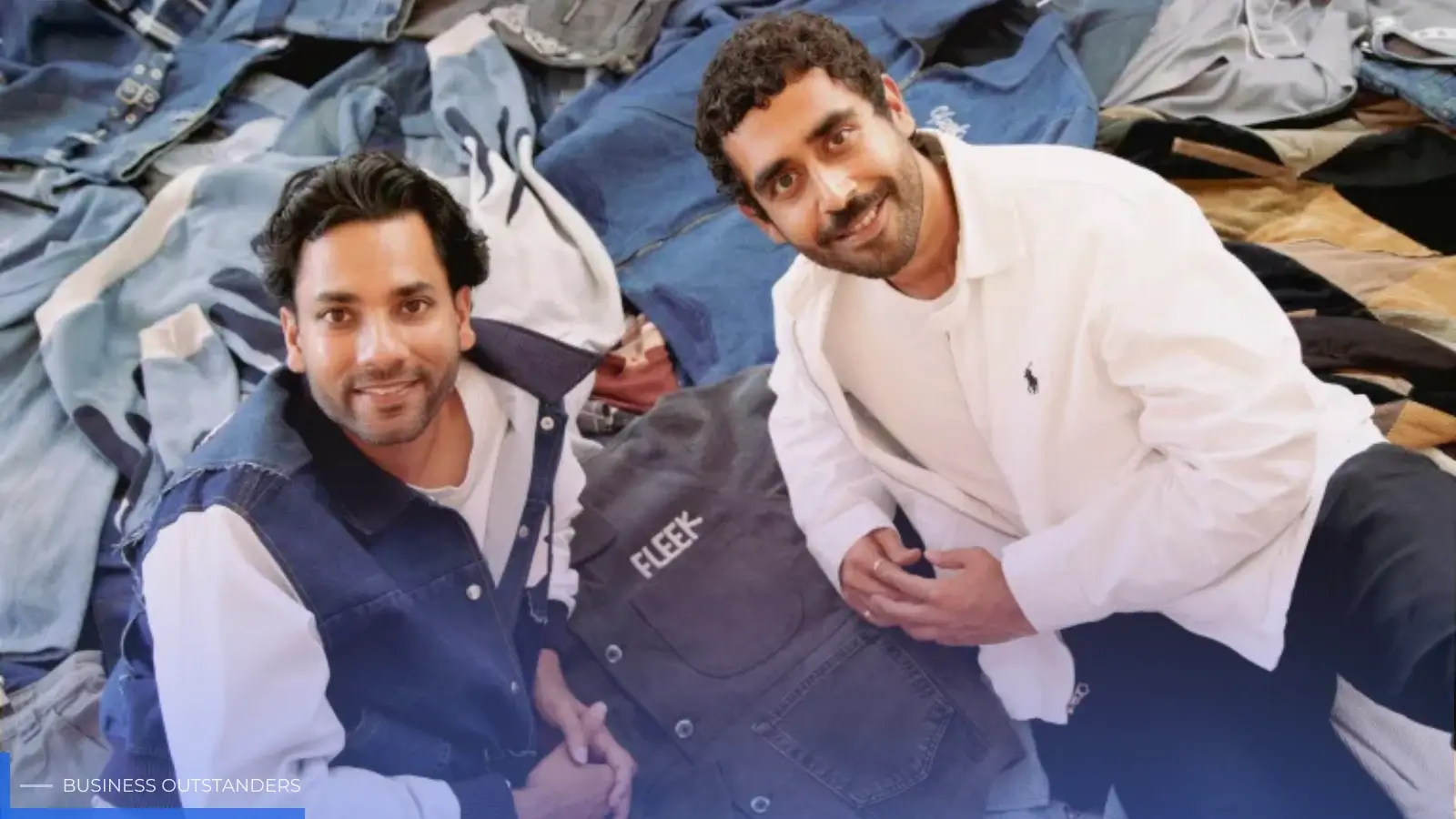
Something has shifted in how Singapore's employers think about team apparel. For a long time, the company shirt was a practical necessity — something staff wore to look unified at events or to satisfy a uniform program, then folded into a drawer and forgot about. In 2026, forward-thinking organisations are approaching it very differently. The company shirt has become a deliberate culture tool, and the results are visible in how teams present themselves, how new employees are onboarded, and how companies show up in public.
From Uniform to Identity
The distinction between a uniform and an identity piece sounds subtle, but it makes a real difference in how employees relate to what they are wearing. A uniform says: you work here. An identity piece says: you are part of something. The shift from one to the other often comes down to design investment, fabric quality, and the story the shirt tells about the organisation.
Singapore companies investing seriously in company shirt printing are starting the conversation earlier in the process — involving employees in design decisions, incorporating team values or company milestones into the artwork, and choosing garments that people actually want to wear rather than garments that merely satisfy a procurement checklist. When staff feel that the shirt was designed with them in mind rather than simply issued to them, the relationship to that garment changes entirely.
The Occasions Driving Custom Shirt Orders in 2026
The range of occasions prompting Singapore shirt printing orders has expanded considerably beyond the traditional uniform and corporate event categories. Team-building retreats, company anniversaries, department milestones, new office openings, product launches, and employee onboarding kits are all generating custom shirt orders from Singapore companies that would not have considered apparel as part of these occasions five years ago.
The onboarding kit angle is particularly interesting. Companies that include a well-designed custom shirt in a new employee's welcome package are making a first impression that generic stationery and corporate brochures simply cannot match. It is a tangible signal that the organisation invests in its people and takes its culture seriously — and that signal registers on day one, when impressions are forming quickly.
Design Trends Shaping Corporate Shirts in 2026
The aesthetic expectations for corporate apparel have shifted meaningfully, driven in part by a workforce that is younger, more design-literate, and more likely to cross-reference what their employer gives them against what they would choose to wear independently. Singapore companies responding to this reality are moving away from the traditional embroidered logo on a polo shirt as the default format.
Contemporary company shirt printing in Singapore is exploring bolder graphic approaches — typography-led designs, abstract interpretations of brand identity, limited-edition artwork series tied to specific company moments. Some organisations are producing seasonal shirt designs rather than a single annual uniform, treating their company apparel almost like an internal fashion collaboration. The shirts that result from this thinking are ones employees photograph, post, and wear outside of work — which extends the brand visibility in ways that a conventional uniform never could.
Practical Considerations for Companies Ordering in Volume
Getting the most from a custom shirt order requires more planning than many procurement teams initially account for. Size distribution across a large workforce, the choice between polo shirts, round-neck tees, and button-down options for different team roles, and lead time management around major company events all require attention.
For Singapore shirt printing orders of 50 pieces or more, working directly with a production-focused local printer — rather than through a reseller or event merchandise aggregator — typically produces better pricing, more accurate colour matching, and greater flexibility around sizing and garment specification. Establishing this direct relationship early also makes repeat orders faster and more consistent, which matters when a company is building an apparel programme rather than placing a one-off order.
The companies getting the most value from custom apparel in 2026 are those treating it as an investment in culture rather than a line item in the events budget. The shirt is a small thing in isolation. Worn consistently by a team that identifies with what it represents, it becomes something considerably more significant.
FAQ
What is the most popular garment type for company shirt printing in Singapore?
Polo shirts remain the most widely ordered for corporate use, though round-neck tees are increasingly popular for younger, creative-sector workforces.
How early should a company place a shirt order before a major event?
A minimum of three weeks is recommended for standard runs; larger orders or complex designs benefit from four to six weeks of lead time.
Business Outstanders brings you sharp insights on tech, business, entrepreneurship, law, crypto, and more. We uncover what’s next. Stay updated, sign up for our newsletter and be part of the future!