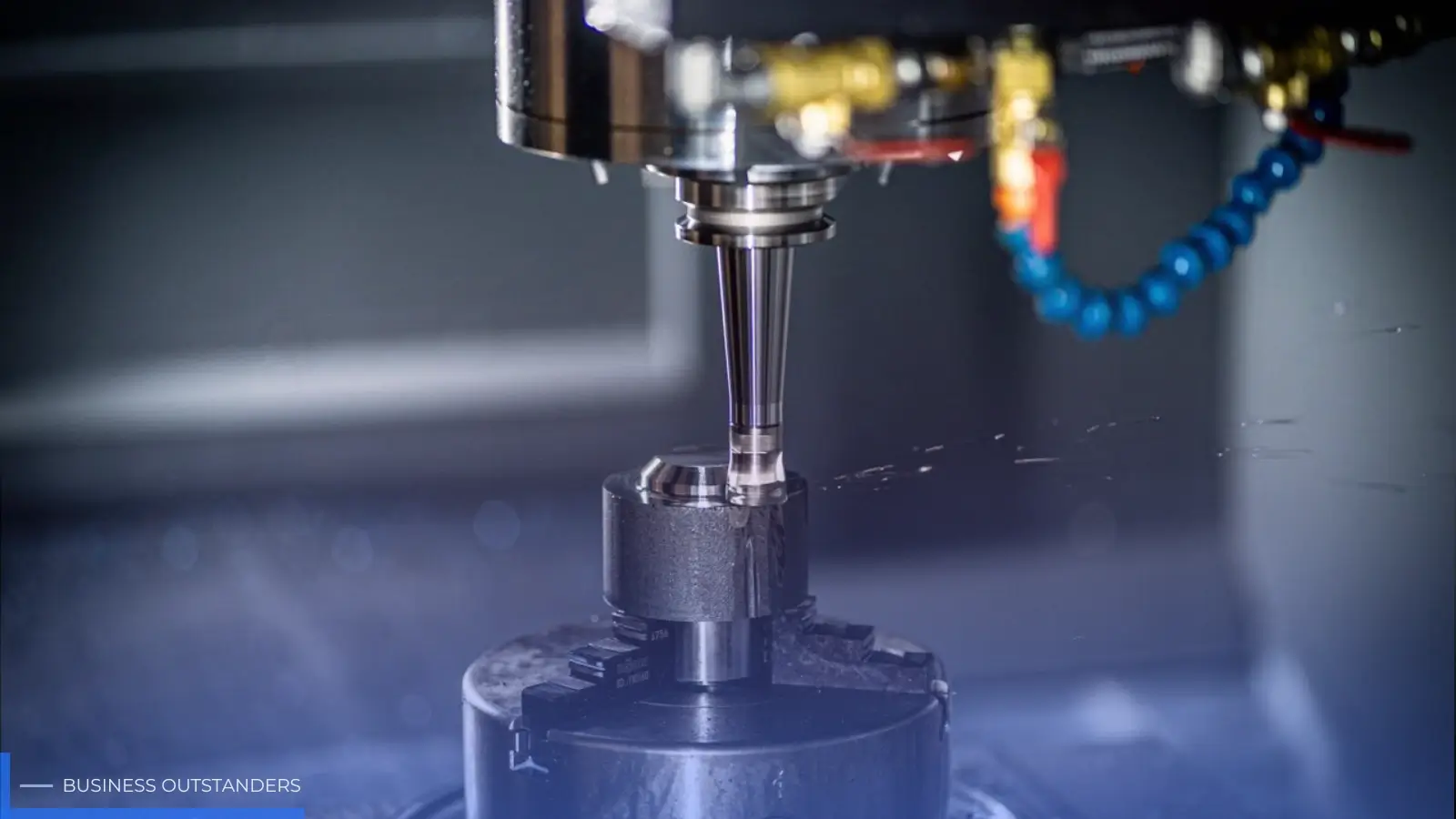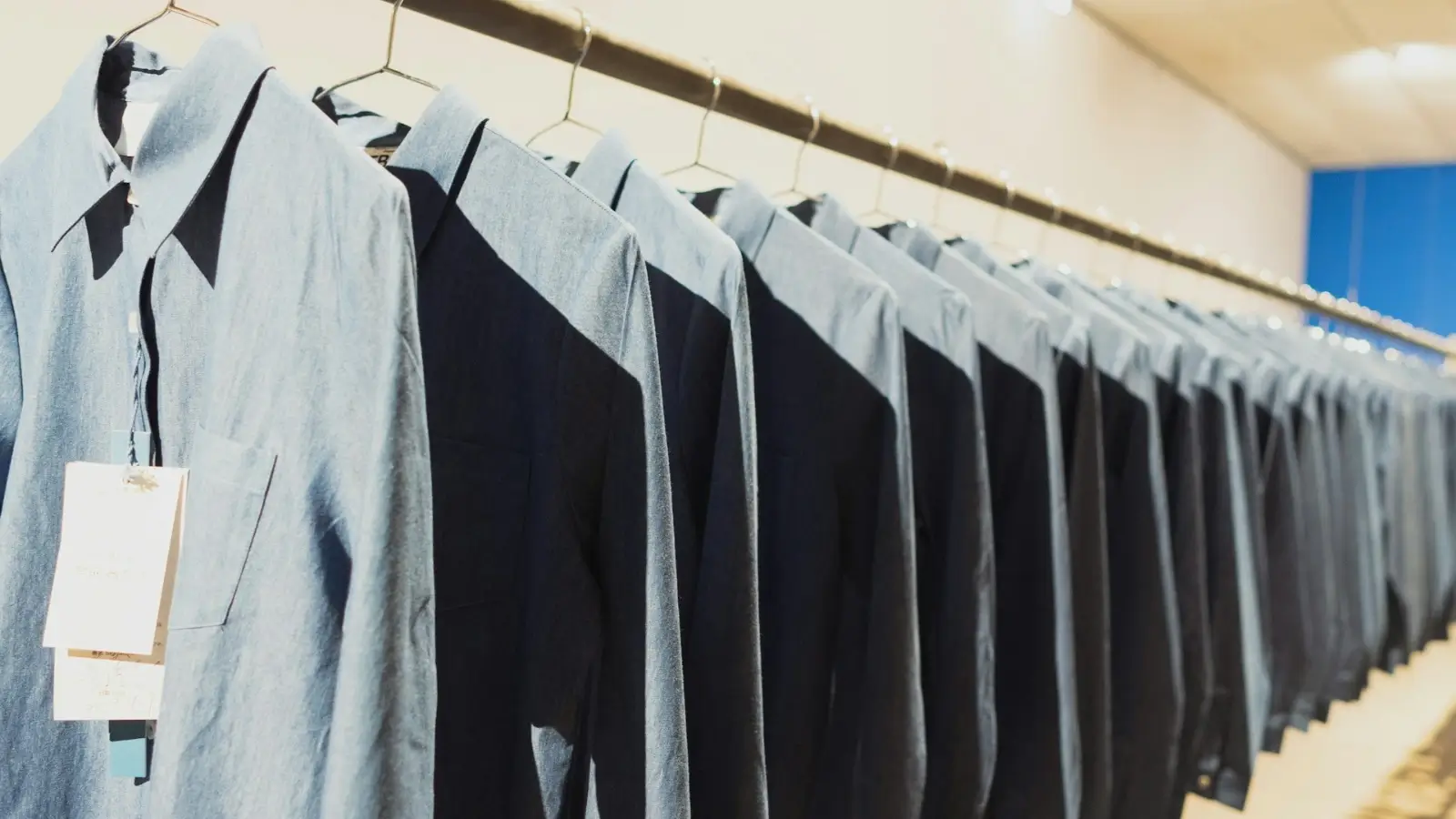
Uniform programs are often judged by how they look on launch day. Colors are crisp, logos are sharp, and everyone seems aligned. The real test, however, happens months and years later. After repeated washes, long shifts, and changing staff, the true quality of a uniform program reveals itself. That quality depends far less on design trends and far more on how the garments were manufactured in the first place.
Organizations that run long term uniform programs eventually learn that manufacturing decisions shape almost everything that follows. From durability and fit to replacement costs and employee satisfaction, the details behind the scenes matter. This is why choosing the right company uniform manufacturer is not just a sourcing decision. It is a strategic one that affects performance over time.
Looking at uniform programs through a lifecycle lens helps explain why manufacturing quality deserves more attention than it usually gets.
Durability Is the Foundation of Program Stability
Uniforms are work clothes. They are worn repeatedly, often in demanding conditions, and expected to hold up without constant replacement. Manufacturing quality determines how well garments handle this reality.
High quality construction techniques, such as reinforced seams and properly finished edges, prevent early failure. Fabric selection plays an equally important role. Materials engineered for frequent washing, abrasion resistance, and color retention keep uniforms looking consistent longer.
When durability is overlooked, costs rise quietly. Replacements become frequent. Inventory becomes harder to manage. Employees end up wearing mismatched or worn pieces that weaken the overall appearance of the program.
Durability is not about making something indestructible. It is about matching construction to real use so the uniform performs as long as expected.
Fabric Engineering Affects Comfort and Performance
Fabric is often discussed in terms of feel, but engineering goes deeper than softness. The way fibers are blended, woven, or treated affects breathability, stretch, moisture control, and heat retention.
In long term programs, fabric performance influences whether employees actually want to wear the uniform. A garment that looks fine but traps heat or restricts movement will be worn reluctantly. Over time, employees may alter it, layer inconsistently, or replace it with unofficial alternatives.
Manufacturing partners with strong fabric expertise test materials under real conditions. They understand how fabrics behave after dozens of wash cycles and how they perform in different environments.
This focus mirrors broader textile research standards, which emphasize testing for durability and performance across a product’s lifespan. Organizations like ASTM International set widely used benchmarks for textile testing and material performance: ASTM International textile standards.
Fit Consistency Builds Confidence and Compliance
Fit is one of the most underestimated aspects of uniform quality. Even well-designed garments fail if sizing is inconsistent across production runs or styles.
Manufacturing quality affects grading, pattern accuracy, and size tolerance. When these elements are controlled carefully, employees can reorder with confidence, knowing the fit will match what they already have.
Poor fit consistency creates friction. Employees hesitate to reorder. Managers spend time resolving issues. Compliance drops as people seek alternatives that feel better.
From a long-term perspective, consistent fit supports both appearance and morale. Employees feel more comfortable and included, and the program maintains a cohesive look across locations and roles.
Lifecycle Cost Tells the Real Financial Story
The true cost of a uniform program is not the price per garment. It is the total cost over time, including replacements, administrative effort, and disruption.
Manufacturing quality directly influences lifecycle cost. Durable garments reduce replacement frequency. Consistent production reduces errors and returns. Stable specifications prevent the need for frequent redesigns.
When manufacturing quality is high, costs become predictable. Operations teams can plan inventory and budgets with confidence. When quality is inconsistent, costs spike unpredictably and consume time that could be spent elsewhere.
This lifecycle view aligns with how many organizations evaluate capital investments. The same logic applies to uniforms, even if they are not always treated with the same rigor.
Consistency Protects Brand and Professional Image
Uniforms are visual symbols. When quality varies, the symbol weakens. Colors fade at different rates. Fabrics drape differently. Logos distort or peel.
Manufacturing quality ensures that uniforms ordered today look like uniforms ordered a year ago. This consistency protects brand presentation across time and location.
Customers may not analyze these details, but they notice inconsistency instinctively. A cohesive appearance signals organization and care. Inconsistent quality suggests shortcuts or lack of attention.
Brand organizations like the American Marketing Association emphasize that consistency across touchpoints supports trust and recognition. Uniform quality is one of those touchpoints when programs are long running: American Marketing Association resources on brand consistency.
Manufacturing Partnerships Support Program Evolution
Long term uniform programs rarely stay static. Roles change. Work environments evolve. Branding updates occur. A strong manufacturing partner supports these changes without disrupting the program.
Quality focused manufacturers maintain detailed specifications and samples that make updates easier. They can adjust fabrics, refine fits, or introduce new pieces while keeping core elements consistent.
This continuity reduces the risk of fragmentation. Instead of starting over with each change, organizations can build on what already works.
From an operational standpoint, this flexibility is invaluable. It allows programs to adapt without sacrificing stability.
Employee Experience Is Shaped by What Lasts
Employees may not know where their uniforms are made, but they feel the results every day. A uniform that holds its shape, fits well, and remains comfortable builds quiet trust in the organization.
When employees do not have to worry about shrinking, fading, or discomfort, they focus on their work. Over time, that ease becomes part of the workplace culture.
Uniforms that fail early send the opposite message. They suggest short-term thinking and create unnecessary frustration.
Why Quality Should Lead the Conversation
In long term uniform programs, manufacturing quality is not a background detail. It is the engine that keeps everything running smoothly.
Durability reduces disruption. Fabric engineering supports comfort. Fit consistency improves compliance. Lifecycle cost management protects budgets. Together, these factors determine whether a uniform program becomes a reliable asset or a recurring problem.
Organizations that prioritize manufacturing quality from the start position their programs for longevity. Instead of constantly fixing issues, they benefit from systems that work quietly in the background.
Over time, that reliability is what makes a uniform program truly successful.
Business Outstanders brings you sharp insights on tech, business, entrepreneurship, law, crypto, and more. We uncover what’s next. Stay updated, sign up for our newsletter and be part of the future!