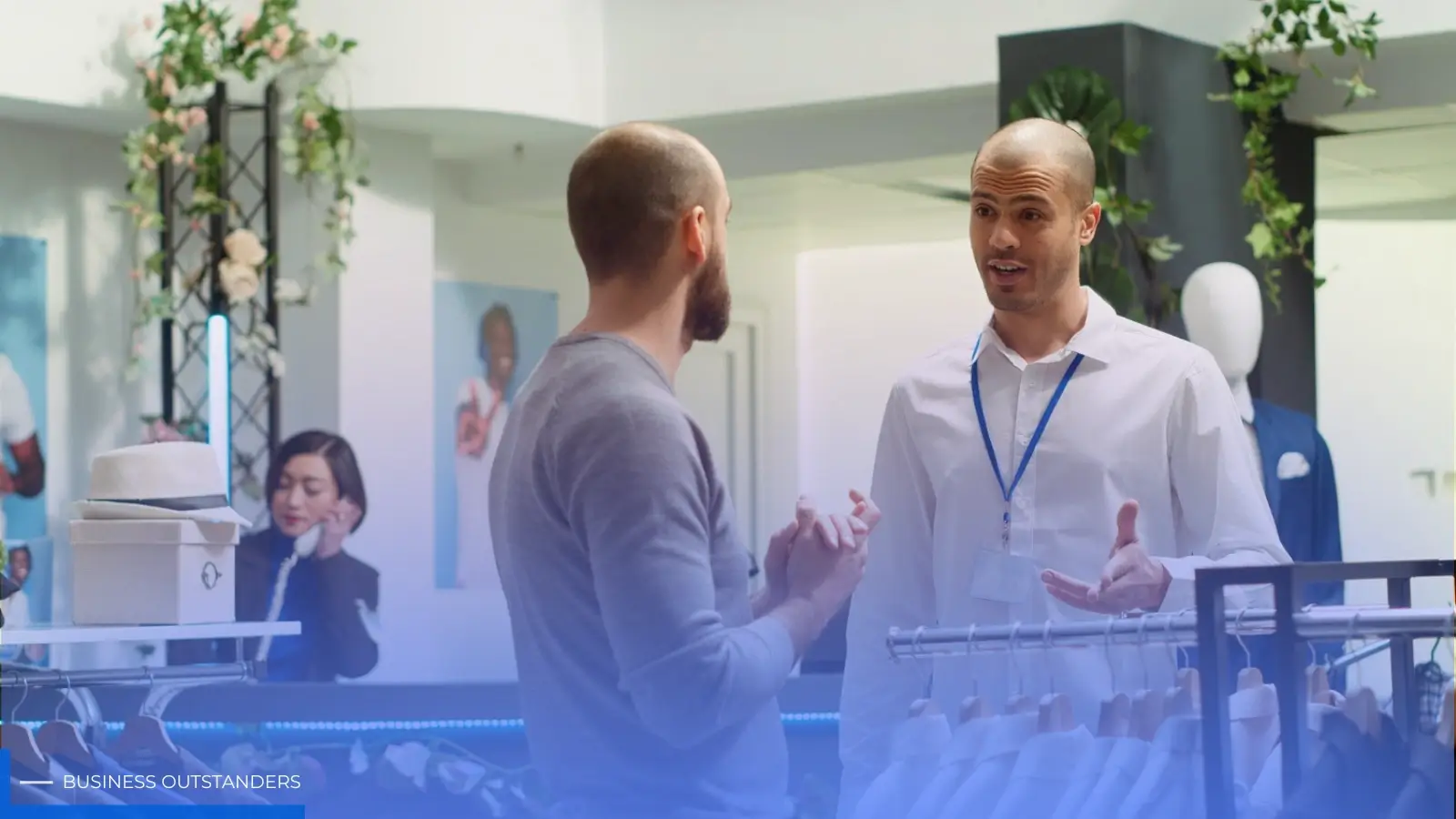
When you oversee multiple retail locations, store visits aren’t just calendar fillers – they’re leadership in action. They’re where strategy meets reality. Yet too many executives treat them like check-ins, instead of powerful business tools.
If you want stronger performance across your chain, then you need to make changes. You need to approach each visit with intention, focus, and follow-through. Doing so is entirely possible if you follow the three tips listed below.
Plan with Purpose: Set Clear Goals Before Each Visit
A productive visit begins long before you walk through the doors to the store.
Without a clear objective, it’s easy to get distracted. Whether that’s by minor issues or spending too much time on what feels urgent, it’s easy to forget what’s important. Before you travel, define exactly what success looks like for that visit.
Are you reviewing customer experience standards? Auditing merchandising compliance? Coaching a new manager? Evaluating how a recent promotion is performing on the floor?
Choose one to three priorities. Communicate these priorities in advance. This ensures the store team prepares the right data and understand the focus. It also shifts the tone from “inspection” to “collaboration.” And there is a big difference between the two.
Logistics matter as well. If you’re visiting a store in another city, then think about how to maximize your time on the ground. Many retail leaders opt for flexible accommodations – like rentals for month to month stays in Toronto – so visits are extended when necessary.
Staying close to the store gives you more time for early-morning observations, peak-hour reviews, and post-closing discussions – without being rushed by hotel check-out times or tight travel schedules.
When you plan with purpose – strategically and practically – your visit becomes more impactful from the very start.
Observe, Listen, and Engage: What to Look for on the Floor
Once you arrive, slow down.
Your first job isn’t to critique – it’s to observe. Walk the store as a customer would. Is the entrance inviting? Are displays compelling and well-stocked? Is signage clear and consistent with brand standards?
Pay attention to behavior as much as presentation. Are associates greeting customers promptly? Do they seem confident in product knowledge? How do they handle objections or complaints?
Then, listen carefully.
The most valuable insights often come from frontline employees. So, ask open-ended questions:
- What’s selling fastest right now?
- Where do customers seem confused?
- What’s the biggest operational challenge you’re facing?
These conversations reveal what reports can’t. A spreadsheet won’t tell you that fitting rooms feel understaffed on weekends or that replenishment deliveries arrive at inconvenient times.
If possible, observe during different traffic periods – not just midday when things are calm. Early mornings and peak hours often expose process gaps that need attention.
In short, engage with authenticity. When your team feels supported rather than scrutinized, they’re more open, more honest, and more motivated. And isn’t that a win-win?
Turn Insights into Action: Follow Up and Drive Consistency
The real value of a store visit shows up afterward.
Within a day or two, document your observations. Separate praise from performance gaps. Be specific – “Improve customer service” isn’t actionable. Instead, “Ensure customers are greeted within 30 seconds of entry” states what to do and when. The latter is preferred.
Share a concise recap with the store manager outlining:
- What’s working well
- Areas for improvement
- Clear next steps and timelines
Consistency across locations depends on disciplined follow-up. If multiple stores struggle with the same issue – for instance, inconsistent visual merchandising or uneven staff training – that signals a broader systems challenge. It isn’t a one-off problem.
Address patterns at the leadership level while coaching individual stores on execution.
The Bottom Line
Store visits, as you will have learned, aren’t about catching mistakes. They’re about reinforcing standards, strengthening culture, and aligning daily operations with company strategy. Doing so ensures you create measurable momentum across your entire retail chain.
Business Outstanders brings you sharp insights on tech, business, entrepreneurship, law, crypto, and more. We uncover what’s next. Stay updated, sign up for our newsletter and be part of the future!