Expanding from an online presence to a physical retail store is a major milestone for any business. While e-commerce offers convenience and reach, a brick-and-mortar location provides a tangible experience that can strengthen customer relationships and brand loyalty. However, opening a retail store involves more than signing a lease and setting up shelves. It requires strategic planning, operational readiness, and a clear understanding of what drives in-person sales. Here’s how to make the transition successfully.
Choose the Right Location
Location is one of the most critical factors in retail success. The right spot can increase foot traffic and visibility, while the wrong one can limit growth. When evaluating potential spaces, consider demographics, accessibility, and proximity to complementary businesses. High-traffic areas near restaurants, offices, or entertainment venues often provide better exposure. Also, think about parking availability and public transportation options, as these can influence customer convenience. A well-chosen location sets the stage for strong sales and long-term viability.
Prepare the Space for Customers
Once you’ve secured a location, the next step is preparing the space to create a welcoming and functional environment. This includes everything from interior design to structural maintenance. Inspect the building thoroughly for issues that could disrupt operations, such as plumbing, electrical systems, or roof integrity. If you discover leaks or damage, addressing them promptly is essential. In some cases, fixes like window or roofing repair may be necessary to protect your inventory and ensure customer safety. Investing in these improvements early prevents costly interruptions and helps maintain a professional image.
Build a Strong Inventory Strategy
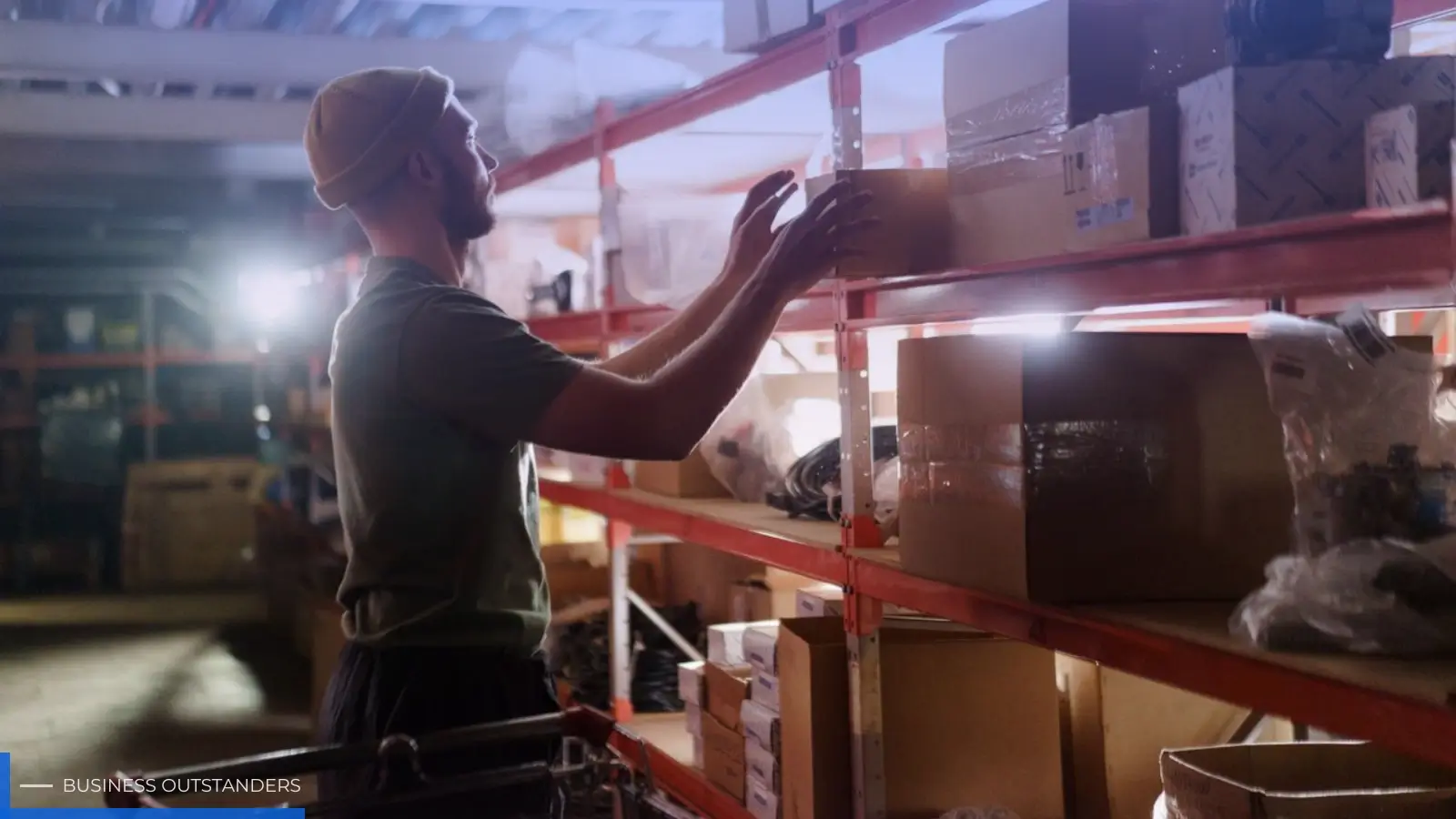
Stocking your store is more complex than filling shelves. You need a strategy that balances variety with demand, ensuring customers find what they need without overwhelming them with options. Start by analyzing your online sales data to identify best-selling products and seasonal trends. Use this information to guide purchasing decisions for your physical store. Establish relationships with reliable suppliers and consider backup options to avoid shortages. A well-managed inventory system supports smooth operations and enhances customer satisfaction.
Create an Engaging Customer Experience
A retail store offers opportunities to connect with customers in ways that online platforms cannot. Focus on creating an environment that reflects your brand and encourages interaction. This might include thoughtful layout design, attractive displays, and personalized service. Train your staff to provide knowledgeable assistance and foster a welcoming atmosphere. Consider hosting events or offering in-store exclusives to build excitement and loyalty. The goal is to make every visit memorable, turning first-time shoppers into repeat customers.
Market Your Store Effectively
Opening a retail location requires a marketing plan that drives awareness and foot traffic. Start by announcing your store through your existing online channels, including social media and email newsletters. Local advertising, community partnerships, and grand opening events can also generate buzz. Highlight what makes your store unique, whether it’s exclusive products, personalized service, or a distinctive shopping experience. Consistent marketing efforts keep your store top of mind and help establish a strong presence in the community.
Conclusion
Transitioning from an online business to a physical retail store is a significant step that demands careful planning and execution. By choosing the right location, preparing the space, managing inventory effectively, creating an engaging customer experience, and implementing a strong marketing strategy, you can set your store up for success. These efforts not only attract customers but also build a foundation for long-term growth. With the right approach, your retail store can become a powerful extension of your brand and a key driver of profitability.
Business Outstanders brings you sharp insights on tech, business, entrepreneurship, law, crypto, and more. We uncover what’s next. Stay updated, sign up for our newsletter and be part of the future!