Minimizing Friction for Smoother Operations
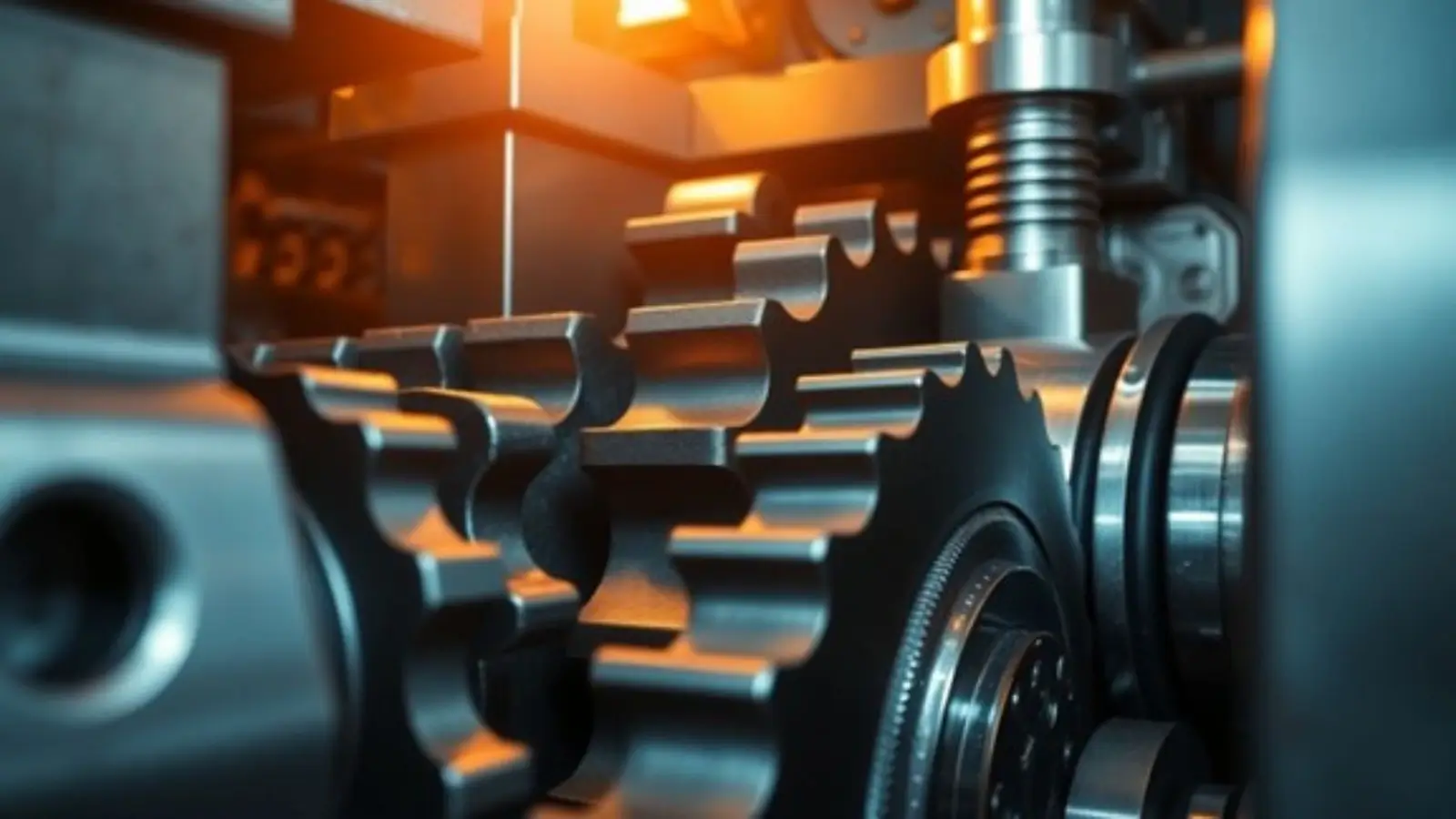
Industrial operations rely heavily on machinery, and keeping that machinery running smoothly is key. Oils and lubricants are the unsung heroes here. Their main job? To get between moving parts and stop them from grinding against each other. Think of it like this: metal on metal creates a lot of resistance, which means more heat and more wear. Lubricants create a slick barrier, letting parts glide past each other with way less effort. This reduction in friction isn't just about making things quieter; it directly impacts how much energy your equipment uses. Less friction means less wasted energy, which is good for your bottom line and the environment.
Proper lubrication is the first step to efficient operation. Without it, even the best-designed machines will struggle. This protective film provided by industrial lubricants is what allows components to move freely, reducing the strain on motors and other power sources. It’s a simple concept, but its effect on overall efficiency is massive. When you minimize friction, you’re essentially making your equipment work smarter, not harder.
- Reduces wear on critical components.
- Lowers energy consumption.
- Improves operational speed and output.
The core function of any industrial lubricant is to reduce the energy lost to friction between moving surfaces. This directly translates to better performance and lower operating costs.
Extending Equipment Lifespan and Reliability
Beyond just making things run smoothly day-to-day, lubricants play a huge part in how long your equipment actually lasts. By preventing that metal-on-metal contact, they stop premature wear and tear. This means fewer breakdowns and a more reliable operation overall. When parts aren't being ground down by friction, they can keep doing their job for much longer. This is especially true for complex machinery with many moving parts, like hydraulic systems or gearboxes.
Choosing the right lubricant for the job is also super important. Different machines have different needs, and using the wrong type can actually do more harm than good. A lubricant that’s too thin might not provide enough protection, while one that’s too thick could increase drag. Getting this right means your equipment is protected from damage, corrosion, and overheating, all of which can shorten its life. It’s about protecting your investment.
- Prevents abrasive wear.
- Protects against corrosion and rust.
- Helps dissipate heat, preventing overheating.
Reducing Downtime and Overall Operating Costs
When machinery breaks down, it’s not just about the repair bill. Downtime means lost production, missed deadlines, and unhappy customers. Lubrication is a key part of preventing these costly interruptions. By minimizing friction and wear, lubricants help keep equipment running reliably, which means fewer unexpected stops. This proactive approach to maintenance, centered around good lubrication practices, saves a ton of money in the long run.
Think about it: regularly changing oil and grease is a small cost compared to the expense of a major equipment failure. It’s an investment in uptime. Furthermore, when your machines are running efficiently thanks to proper lubrication, they use less energy. This energy saving, combined with reduced repair costs and less downtime, adds up to significant savings on your overall operating expenses. It’s a win-win for efficiency and your budget.
Selecting the Appropriate Lubricant for Industrial Needs
1) Matching Lubricants to Specific Machinery Applications
Picking the right lubricant isn't just about picking a brand; it's about understanding what your machines actually do. Different machines have different needs. Think about heavy-duty presses versus delicate electronic assembly equipment. They operate under vastly different pressures and speeds. Using the wrong lubricant here is like trying to use motor oil in your bicycle chain – it just won't work right and can cause more harm than good. It's important to match the lubricant to the specific job it needs to do.
For instance, machinery in metalworking often faces extreme heat and pressure during cutting or grinding. These applications need lubricants formulated to handle that. They need to resist breakdown and keep tools sharp and parts smooth. On the flip side, equipment in food processing plants requires food-grade lubricants that are safe if they accidentally come into contact with products. So, knowing your machinery's specific demands is the first step to selecting the correct industrial lubricant.
The key is to consult your equipment manufacturer's recommendations. They know their machines best. Beyond that, consider the operational environment. Is it dusty? Wet? Extremely hot or cold? These factors will heavily influence which lubricant performs best and lasts longest. Getting this match right is a big part of keeping things running smoothly and preventing costly breakdowns. It's a detail that really matters for overall efficiency.
2) Understanding Different Lubricant Types and Formulations
Lubricants aren't one-size-fits-all. You've got oils, greases, and synthetics, each with its own strengths. Oils are great for systems where fluid needs to flow, like in engines or gearboxes, providing constant lubrication. Greases, on the other hand, are thicker. They're designed to stay put, making them ideal for bearings or joints that don't move constantly but need protection over time, especially in dusty or wet conditions.
Synthetics are often the high-performance option. They're engineered in a lab to offer superior protection, especially under extreme temperatures or heavy loads. They tend to resist breakdown better than conventional oils and greases. When you're looking at industrial lubricant options, you'll see a lot of different formulations. These often include additives that boost performance, like anti-wear agents, rust inhibitors, or detergents. These additives are what really tailor a lubricant for a specific task.
Choosing between oil and grease often comes down to how the machine parts move and the environment they're in. If it needs to flow and cool, oil is usually the way to go. If it needs to cling and protect, grease is often better. Understanding these basic differences helps a lot.
3) Considering Operating Conditions and Environmental Factors
When you're selecting an industrial lubricant, you can't ignore the environment your equipment lives in. Temperature is a huge one. Machines running in a hot forge need a different lubricant than those in a refrigerated warehouse. High temperatures can break down lubricants, making them less effective and potentially damaging the machinery. Conversely, very low temperatures can make lubricants too thick, hindering movement and increasing wear.
Contaminants are another big deal. If your equipment is in a dusty area, you'll need a lubricant that can either repel dust or handle it without becoming abrasive. Water or chemical exposure also requires special formulations. Some lubricants are designed to displace moisture, which is great for equipment in damp or wash-down environments. The goal is to find a lubricant that can withstand these external pressures and keep protecting the machine's parts.
Here's a quick look at how conditions affect choices:
- High Temperature: Look for synthetic or high-temp mineral oils/greases with good thermal stability.
- Low Temperature: Consider low-viscosity synthetics that remain fluid.
- Dusty Environments: Greases with good sealing properties or specific additives can help.
- Wet/Corrosive Environments: Lubricants with rust and corrosion inhibitors are a must.
Making the right choice here means your lubricant will do its job effectively, extending the life of your equipment and reducing the need for frequent replacements or repairs. It's all about finding that perfect balance for your specific operational needs.
Strategies for Enhancing Lubrication Efficiency
1) Implementing Proactive Maintenance and Monitoring
Keeping machinery running smoothly often comes down to paying attention to the details, and that's where proactive maintenance and monitoring come in. It's not just about changing oil when something breaks; it's about preventing the breakdown in the first place. Regular checks and using advanced systems to watch how your equipment is doing can spot problems before they get big. This means less unexpected downtime and keeping those lubrication systems working their best.
Think of it like a regular check-up for your car. You get the oil changed, tires rotated, and the mechanic looks for any small issues. In an industrial setting, this translates to oil analysis, vibration checks, and temperature monitoring. These steps help identify if the lubricant is degrading or if there's an issue causing extra friction. This attention to detail is key to maintaining optimal performance and preventing costly repairs.
Here’s a quick look at what proactive maintenance involves:
- Regular Oil Analysis: Testing used oil reveals wear metals, contaminants, and lubricant breakdown. This tells you the condition of both the oil and the machine.
- Scheduled Inspections: Visual checks for leaks, proper fill levels, and any signs of damage on lubrication points.
- Condition Monitoring: Using sensors to track vibration, temperature, and pressure, which can indicate lubrication issues or impending failures.
2) Optimizing Equipment Design and Component Compatibility
When we talk about making lubrication more efficient, we can't forget about the machines themselves. How equipment is designed and the parts used with it play a huge role. Making sure the lubricant works well with the specific components, like seals and bearings, is really important. It’s about creating a system where everything works together, reducing wear and tear, and making sure the lubricant can do its job effectively.
It’s not just about picking a good oil; it’s about how that oil interacts with the metal surfaces and seals it’s protecting. For example, a lubricant that’s too thin might not provide enough protection for heavily loaded gears, leading to increased friction and wear. Conversely, a lubricant that’s too thick could cause drag and waste energy. Matching the lubricant to the specific operating conditions and the materials of the components is a smart way to boost efficiency.
Proper alignment of machinery components is also a big factor. When parts aren't lined up correctly, it creates extra stress and friction, making the lubricant work harder and wear out faster. Ensuring everything is aligned correctly helps the lubricant do its job more effectively.
3) Utilizing Advanced Lubrication Technologies
Beyond the basics, there are some pretty cool advanced technologies that can really boost how well lubrication works in industrial settings. We're talking about things that go beyond just pouring oil into a machine. These technologies aim to make lubrication smarter, more precise, and more effective, ultimately saving energy and reducing wear.
One area is the development of specialized lubricants themselves. Think about synthetic oils or greases with specific additives designed for extreme temperatures, heavy loads, or environments where contamination is a risk. These advanced formulations can offer superior protection and last longer, meaning fewer changes and less waste. Another aspect is the application method. Automated lubrication systems, for instance, deliver the precise amount of lubricant exactly when and where it's needed, preventing both under- and over-lubrication, which are common causes of inefficiency and equipment damage.
Here are some advanced technologies making a difference:
- Automated Lubrication Systems (ALS): These systems automatically dispense lubricant to multiple points on a machine at set intervals, ensuring consistent and accurate delivery.
- Smart Sensors and IoT: Integrating sensors that monitor lubricant condition (like viscosity, contamination levels) in real-time and transmit data wirelessly allows for immediate adjustments and predictive maintenance.
- High-Performance Synthetic Lubricants: Formulated for demanding conditions, these offer better thermal stability, oxidation resistance, and wear protection compared to conventional oils, improving lubrication efficiency.
The Impact of Lubrication on Energy Conservation
How Reduced Friction Translates to Energy Savings
When machinery parts rub together, they create friction. This friction generates heat and wastes energy that could otherwise be used for productive work. Think of it like trying to push a heavy box across a rough floor versus a smooth one – the rough floor takes way more effort, right? Lubricants act like that smooth floor for industrial equipment. By forming a slick barrier between moving surfaces, they drastically cut down on this energy-sapping friction. This means less power is needed to keep things running, directly leading to energy savings.
The simple act of using the right lubricant can significantly lower a facility's overall energy bill. It’s not just about keeping things moving; it’s about keeping them moving efficiently. This reduction in friction isn't just a minor tweak; it's a substantial contributor to a plant's energy conservation efforts. When you reduce friction, you reduce the energy input required for the same output, making your operations more economical and environmentally friendly.
Consider a gearbox. Without proper lubrication, metal grinds against metal, demanding more power from the motor. With the correct oil, that same motor can often operate at a lower load, consuming less electricity. This principle applies across countless industrial applications, from pumps and compressors to conveyor belts and turbines. The impact of lubrication on energy conservation is a direct consequence of minimizing mechanical resistance.
Maintaining Lubricant Performance and Integrity
The Importance of Regular Oil Analysis
Keeping an eye on your lubricants is a big deal. Think of oil analysis as a regular check-up for your machinery's blood. It tells you if the lubricant is still doing its job or if something's going wrong inside the machine. This isn't just about topping up oil; it's about understanding the health of your equipment. Regular oil analysis can spot problems like wear metals or contamination before they cause major breakdowns. This proactive approach saves a lot of headaches and money down the line.
When you get an oil analysis report, it's packed with info. You'll see things like viscosity, which is how thick the oil is, and wear particle counts, showing if metal parts are grinding away. It also checks for contaminants like water or dirt. Understanding these readings helps you decide if you need to change the oil, clean the system, or if there's a deeper mechanical issue. It’s a key part of maintaining lubricant integrity and keeping your operations smooth.
Here’s a quick look at what oil analysis can reveal:
- Wear Metals: Indicates which parts are wearing down.
- Contaminants: Detects water, dirt, or fuel in the oil.
- Viscosity Changes: Shows if the oil is breaking down.
- Additives Depletion: Alerts you when the oil's protective properties are gone.
Proper Storage Protocols for Industrial Oils
How you store your industrial oils matters a lot. If oils aren't stored right, they can get contaminated or break down, losing their effectiveness. Things like moisture, extreme temperatures, and even just being exposed to air can mess with the lubricant's properties. Storing them in a clean, dry place, away from direct sunlight and temperature swings, is pretty important. Keeping them in their original, sealed containers until you're ready to use them is also a good practice.
Think about it: you buy a high-quality lubricant to protect your expensive machinery, but if it sits in a leaky drum out in the rain, all that protection is gone. Proper storage isn't just about keeping the oil clean; it's about preserving its chemical makeup so it performs as intended. This means having dedicated storage areas, using proper dispensing equipment, and training staff on the correct procedures. It’s a small step that makes a big difference in lubricant performance.
Key storage tips include:
- Store oils in a cool, dry, well-ventilated area.
- Keep containers sealed when not in use.
- Use dedicated, clean equipment for dispensing.
- Avoid storing oils directly on the floor.
Ensuring Lubricant Compliance with Industry Standards
Using lubricants that meet industry standards is non-negotiable for reliable operations. These standards, set by organizations like the International Organization of Standardization (ISO) or the American Petroleum Institute (API), basically guarantee that the lubricant has specific properties and will perform as expected. When a lubricant complies with the right standards, manufacturers can be more confident in its ability to protect their equipment and maintain efficiency.
It's like buying a certified part for your car; you know it's been tested and meets certain quality levels. The same applies to industrial lubricants. Using non-compliant oils might seem like a cost-saving measure initially, but it can lead to premature wear, increased friction, and unexpected downtime. Always check the product specifications and ensure they align with your equipment's requirements and relevant industry standards. This diligence is key to maintaining lubricant integrity.
Choosing lubricants that meet industry standards isn't just a recommendation; it's a requirement for optimal performance and equipment longevity. It directly impacts the reliability and efficiency of your industrial operations.
Lubrication's Contribution to Operational Excellence
Protecting Against Wear, Corrosion, and Overheating
Industrial lubricants are the silent guardians of machinery, forming a critical barrier that separates moving parts. This separation is key to preventing direct metal-on-metal contact, which is the primary cause of wear and tear. By minimizing this friction, lubricants significantly reduce the heat generated during operation. This heat reduction is vital, as excessive temperatures can degrade lubricant performance and damage components. A well-chosen lubricant helps maintain optimal operating temperatures, contributing to the overall health and longevity of the equipment.
Beyond wear and heat, lubricants also offer protection against corrosion. Many industrial environments expose machinery to moisture, chemicals, and other corrosive elements. Lubricants create a protective film on metal surfaces, preventing these damaging agents from reaching the metal and causing rust or other forms of degradation. This protective layer is a simple yet effective way to extend the life of valuable industrial assets and maintain their integrity over time. Proper lubrication is a cornerstone of operational excellence.
Lubrication is not just about making things move smoothly; it's about preserving the machinery itself. By actively combating wear, corrosion, and overheating, lubricants ensure that equipment operates reliably and efficiently for longer periods. This proactive protection translates directly into fewer unexpected breakdowns and a more stable production environment. Investing in the right lubrication strategy is an investment in the durability and performance of your entire operation.
Improving Machining Precision and Tool Life
In manufacturing settings, the precision of machining operations directly impacts product quality and efficiency. Lubricants play a significant role here by reducing friction and heat at the cutting edge of tools. This reduction allows for smoother material removal, leading to better surface finishes and tighter tolerances on manufactured parts. When tools operate with less resistance, they can maintain their sharpness for longer, extending their usable life and reducing the frequency of tool changes. This directly benefits the bottom line through reduced tooling costs and less production interruption.
The right lubricant can also help in chip evacuation from the machining zone. Proper fluid flow can carry away chips, preventing them from re-entering the cutting area and causing damage to both the workpiece and the tool. This not only improves the surface finish but also reduces the risk of tool breakage. The consistent application of appropriate lubricants is therefore essential for achieving high-precision results and maximizing the lifespan of cutting tools.
Consider the impact on different machining processes:
- Milling: Reduced friction leads to cleaner cuts and less tool chatter.
- Turning: Improved surface finish and extended tool life are common benefits.
- Drilling: Better chip removal prevents tool binding and breakage.
The Benefits of Lubricants in High-Temperature Environments
Operating machinery in high-temperature environments presents unique challenges for lubrication. Standard lubricants can break down quickly under extreme heat, losing their protective properties and leading to rapid wear. Specialized high-temperature lubricants are formulated to withstand these conditions. They maintain their viscosity and film strength, providing continuous protection even when ambient temperatures or operating heat are elevated. This resilience is crucial for maintaining equipment performance and preventing failures in demanding industrial settings.
These specialized lubricants often contain additives that resist oxidation and thermal degradation. This means they don't break down as easily, forming sludge or varnish that can clog systems and impede lubrication flow. By staying stable at high temperatures, they continue to provide effective lubrication, reducing friction and wear. This allows machinery to operate reliably and efficiently, even under strenuous thermal loads. The correct lubricant choice is paramount for success in these conditions.
Here's a look at how high-temperature lubricants contribute:
- Extended lubricant life: They last longer before needing replacement.
- Reduced component wear: Protection remains effective even when hot.
- Consistent performance: Machinery operates reliably despite thermal stress.
- Lower maintenance costs: Fewer breakdowns and less frequent lubricant changes.
The Last Word on Lubrication and Efficiency
So, when you look at the big picture of running an industrial operation, it’s easy to get caught up in the flashy new tech. But don't forget about the basics, like making sure your machines are properly lubed. It really does make a difference in how smoothly everything runs and how much energy you use. Picking the right oil or grease for the job and keeping up with regular checks isn't just busywork; it's smart business. It helps keep your equipment in good shape longer, cuts down on unexpected shutdowns, and ultimately saves you money. Think of it as a simple step that pays off big time for your bottom line and your overall efficiency.
Business Outstanders brings you sharp insights on tech, business, entrepreneurship, law, crypto, and more. We uncover what’s next. Stay updated, sign up for our newsletter and be part of the future!