A customer walks into your business, slips on a freshly mopped floor without warning, and ends up in the emergency room. It's a scenario no business owner wants to imagine, but it's more common than you might think. From restaurants and retail stores to offices and warehouses, any physical space open to the public or employees carries the risk of injury. When someone gets hurt on your property, the consequences can extend far beyond a medical bill.
Premises liability is the legal concept that holds property owners and occupiers responsible for maintaining a reasonably safe environment. When they fail to do so, whether through oversight, neglect, or poor maintenance, they can be held liable for damages.
In this article, we’ll unpack what premises liability means for business owners, explore real-world risks that can lead to lawsuits, and outline simple, effective steps you can take to protect your business. Understanding your responsibilities now can save you from costly consequences later.
What Is Premises Liability and Why Should Business Owners Care?
Premises liability refers to a property owner’s legal responsibility for injuries that occur on their premises due to unsafe or poorly maintained conditions. While the term is often associated with slip-and-fall accidents, it also encompasses a wide range of hazards, including broken handrails, icy sidewalks, poor lighting, and inadequate security.
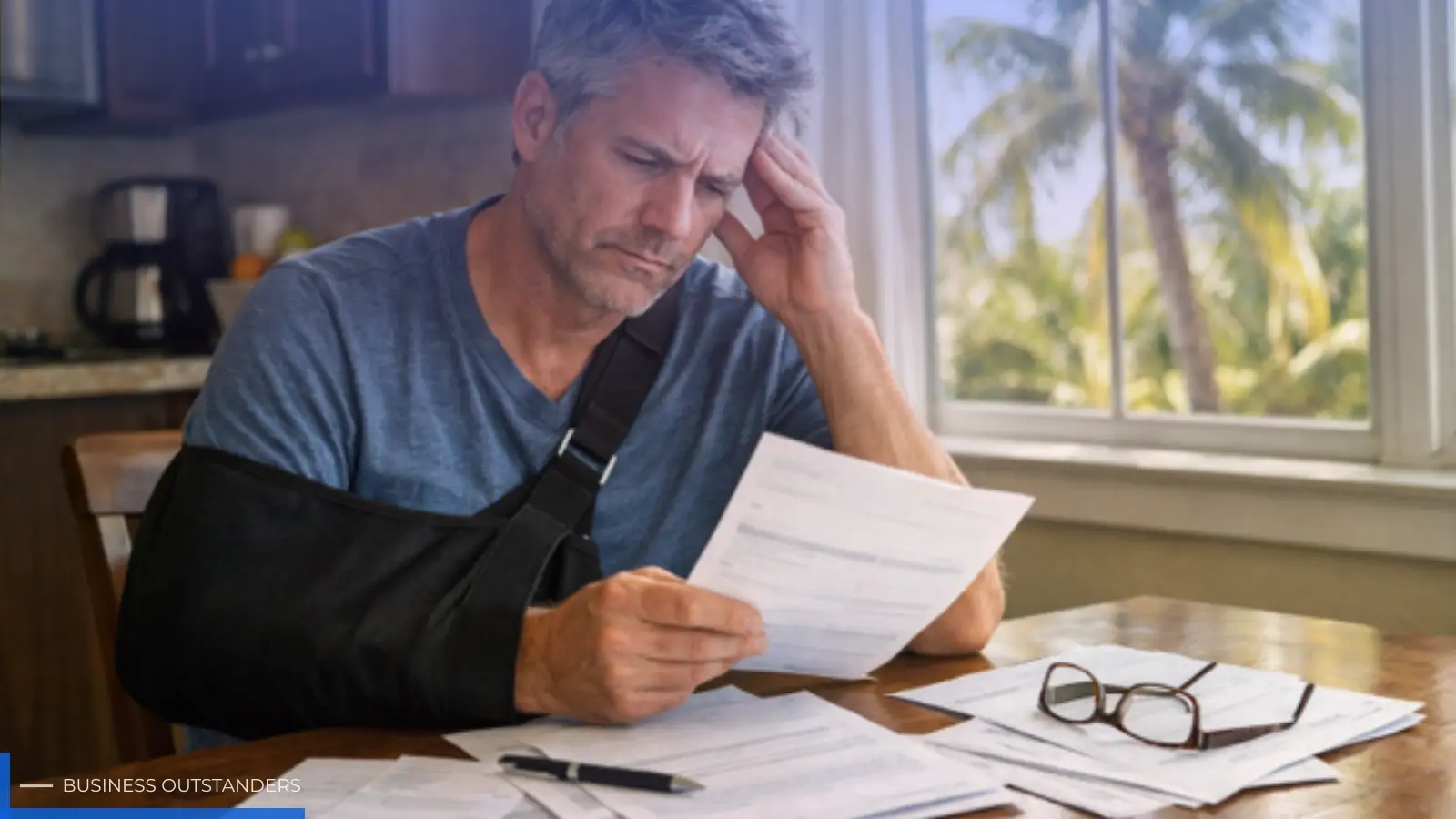
For business owners, the implications are serious. If a customer, vendor, or employee is injured on your property and it’s determined that the injury resulted from negligence, your business could be held legally and financially accountable. These claims can lead to lawsuits, settlement payouts, increased insurance premiums, and long-term reputational damage.
It’s important to understand that liability isn’t limited to obvious dangers. Even minor issues, such as failing to repair a loose floor tile or replace a burned-out exit light, can lead to legal action if someone is injured. That’s why it’s wise to consult a premises liability lawyer to fully understand your legal obligations and assess potential areas of risk before an issue arises.
Business owners who stay informed about premises liability are better positioned to protect their staff, their customers, and their bottom line.
Real-World Scenarios: How Businesses End Up in Court
Understanding how premises liability plays out in real situations can help business owners recognize vulnerabilities before they become legal headaches. Here are a few common scenarios:
-
A customer trips over an uneven floor mat in a retail store and suffers a fractured wrist.
-
An office visitor slips on water tracked in from outside during a rainstorm because the entryway lacked proper floor mats and warning signs.
-
A poorly lit parking lot outside a restaurant leads to a patron falling over a curb, resulting in a back injury.
-
A broken stair rail in a coworking space gives way, causing an employee to fall and sustain a concussion.
In each of these examples, the business owner could be held liable if it’s shown that they knew, or should have known, about the hazard and failed to take appropriate action.
Negligence isn’t just about what you did wrong; it’s often about what you failed to do. That’s why understanding trends and workplace injury statistics can help identify where your business might be exposed to risk. Issues like slips and trips are among the most frequent causes of injury-related claims in commercial spaces, and they’re also among the most preventable.
The financial impact of these claims can be significant. Between legal fees, settlements, and increased insurance premiums, a single incident can set a small business back thousands or even force it to close. Add the potential for reputational harm, and it becomes clear why prevention is far less costly than litigation.
How to Reduce Your Premises Liability Exposure
While it’s impossible to eliminate all risks, taking proactive steps to make your property safer can dramatically reduce your exposure to liability. Many premises liability claims stem from preventable issues, so putting the right systems in place can protect visitors and safeguard your business.
Here are some practical, low-cost ways to minimize risk:
-
Conduct regular inspections: Walk through your property frequently and look for potential hazards such as loose tiles, wet floors, poor lighting, cluttered walkways, or exposed wiring.
-
Address problems immediately: Make repairs promptly and document maintenance actions. A record of responsiveness can be valuable in the event of a claim.
-
Use proper signage: Clear, visible warning signs for temporary hazards, such as wet floors or construction zones, can help limit liability.
-
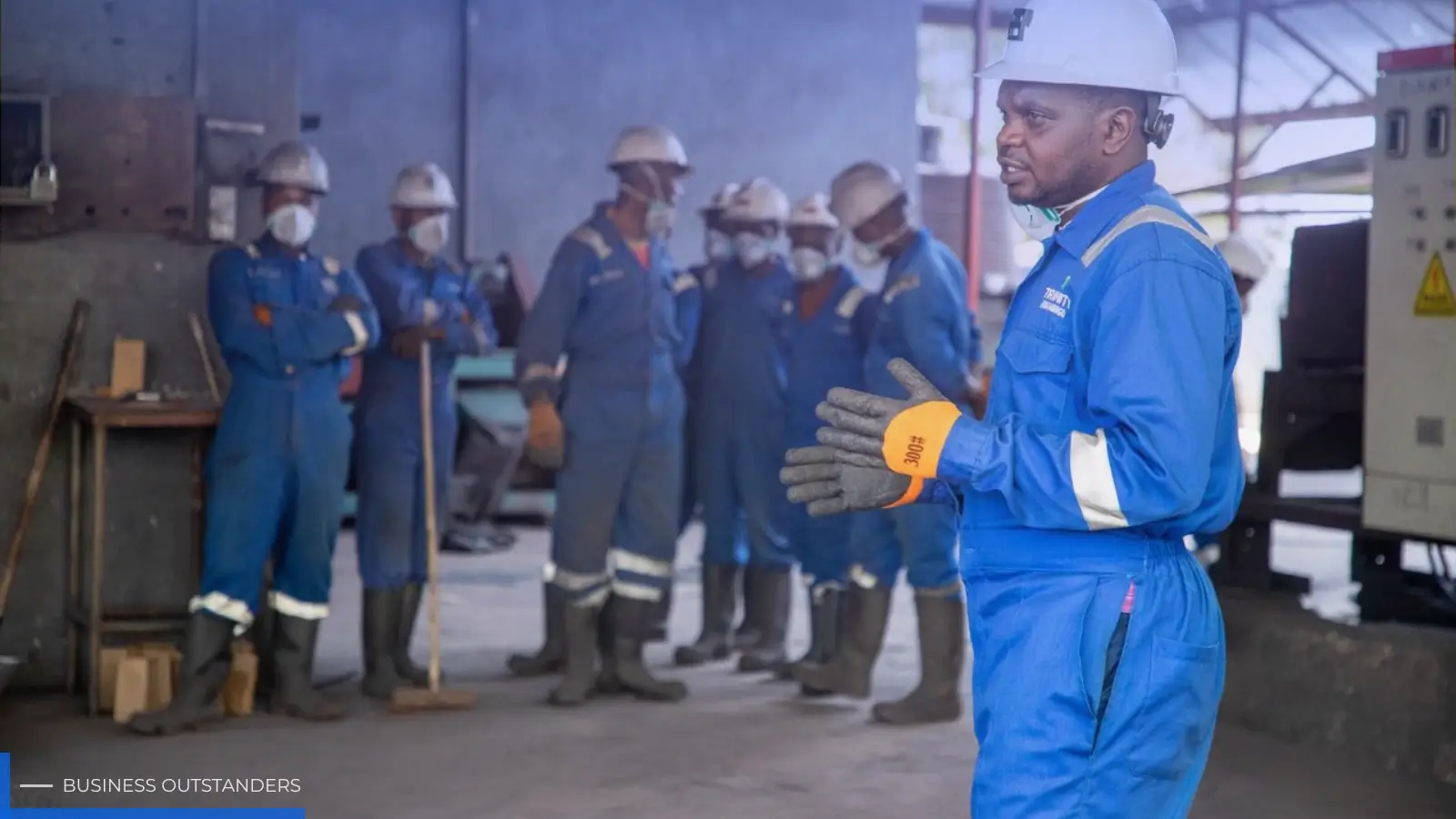
Train your staff: Employees should know how to spot hazards, report issues, and respond appropriately if someone is injured on-site.
-
Establish an incident response protocol: Make sure all incidents, no matter how minor, are documented with photos, written reports, and witness statements when possible.
Taking these precautions can significantly reduce your risk of legal claims, especially when combined with ongoing efforts to improve workplace safety across your organization.
When to Consult a Lawyer (Before It’s Too Late)
Even with strong safety protocols in place, incidents can still happen. When they do, knowing when to involve a lawyer is critical. Too often, business owners wait until a lawsuit is already in motion before seeking legal help. At that point, your options may be limited, and the financial and reputational damage may already be done.
A better approach is to be proactive. If an injury occurs on your property, whether it seems minor or not, you should consider seeking legal advice immediately. A lawyer can help you understand your rights and responsibilities, communicate with the injured party or their insurance company, and protect you from unintentionally admitting liability.
There are also non-crisis situations where consulting legal counsel makes good business sense. For example:
-
When opening a new location or modifying your current premises
-
After receiving a customer complaint or near-miss incident report
-
When reviewing your insurance coverage or liability waivers
-
If you're unsure whether your current safety protocols meet legal standards
By involving a lawyer early, you can reduce the risk of legal exposure, strengthen your defense in the event of a claim, and demonstrate that your business takes safety and compliance seriously.
Conclusion
Premises liability isn’t just a legal concept; it’s a real-world concern that affects businesses of every size. From slips and falls to poorly maintained facilities, the risks are everywhere. But the good news is that most of these risks are manageable with the right knowledge, systems, and support.
By understanding your legal responsibilities, staying proactive about property maintenance, and training your team to recognize and respond to hazards, you can significantly reduce your exposure. And when questions or incidents arise, don’t hesitate to bring in a legal expert to guide your next steps.
Staying ahead of liability issues isn’t just about avoiding lawsuits. It’s about creating a safe, professional environment that reflects the integrity of your business. When safety becomes part of your culture, liability becomes far less of a threat.
Business Outstanders brings you sharp insights on tech, business, entrepreneurship, law, crypto, and more. We uncover what’s next. Stay updated, sign up for our newsletter and be part of the future!