If you plan to sell your car in Texas, make sure you follow the proper steps and the state’s rules. In this post, we’ll showcase how to write a bill of sale document in Texas with LawDistrict, retitle your vehicle, and more.
Preparing Your Vehicle
The first thing you should know is how to get your car ready. Legally, you can leave it as it is, so long as you’re honest about the condition, but you’ll get more value if you put the work in.
Here’s what you should do before putting your vehicle up for sale:
- Clean the car’s exterior and interior, possibly with a professional’s help
- Remove any lingering odors, especially smoke, pet, or mildew scents
- Use a valuation service (in-person or online) to check your car’s price
- Carry out minor repairs, such as replacing lights and topping off fluids
- Take high-quality pictures that show off your vehicle from every angle
- Find a good meeting spot, such as one of Texas’s SafeTrade Stations
Preparing the car might involve a slight investment, especially if you get a professional to clean or repaint it. However, a cleaner car without visible damages or broken components will always fetch a higher price on any marketplace.
Retitling the Car
You must also be aware of Texas’s retitling laws. According to the state’s DMV, you may be held responsible for the buyer’s vehicle offenses if you don’t get a new title in their name. However, a Vehicle Transfer Notification helps you get around this.
While a VTN doesn’t transfer a vehicle’s ownership, it tells the DMV that you’ve sold the car and shouldn’t face any penalties or parking tickets. That said, you should still help the buyer arrange a new title; it’s best to go with them for this.
If you can’t find your title, request a duplicate from the DMV. Since this takes several weeks, you might need to put the sale on pause. If you’re selling to someone from another state, you should still complete the Texas title; they’ll still register the car in their home state.
Getting a Bill of Sale
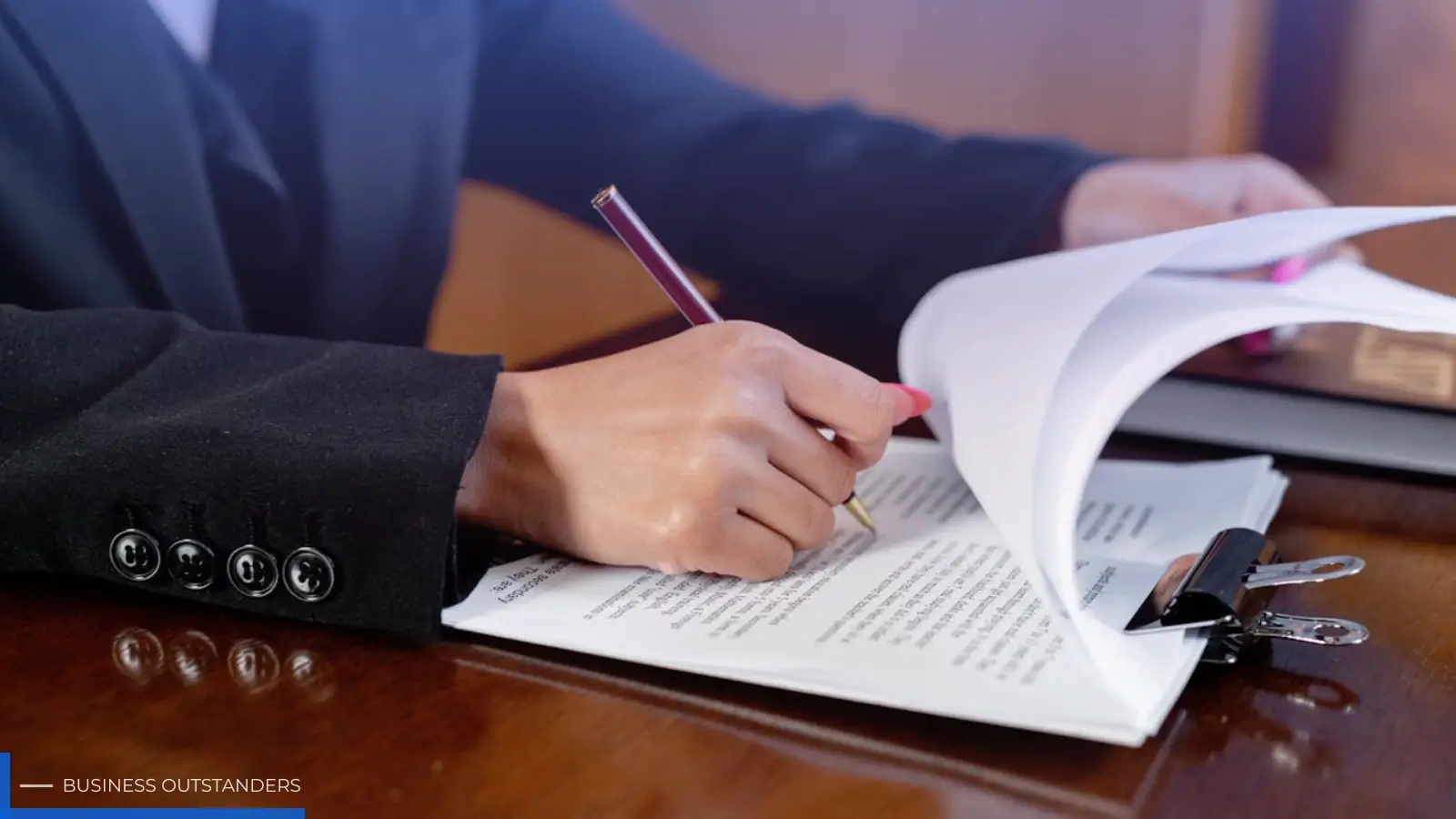
A bill of sale sets out the terms of your transaction and aims to protect both the buyer and seller. These documents are easy to make, especially if you use an online template — this already has every field and space you and the buyer need to fill in.
Here’s what any worthwhile car bill of sale template should have:
- Your (and the buyer’s) contact details
- The vehicle’s make, model, and year
- A full description of the car’s condition
- An accurate odometer reading
- The 17-character vehicle identification number
- The car’s ownership history
- The car’s maintenance history
- Any existing vehicle warranties or liens
The bill of sale proves your car belongs to someone else, though you’ll still need to take care of its title. It also highlights that you were upfront about the car’s condition, so they can’t claim you hid any defects.
You won’t need to notarize your vehicle bill of sale for it to be legally binding in Texas. However, a notary’s signature can add some extra certainty, especially if you pair it with a witness.
Disclosing the Vehicle’s Details
Returning to the car’s condition, be upfront about everything. Even if it only has minor cosmetic damage, put these in your bill of sale. If the buyer feels you neglected to mention any detail that would otherwise affect their desire to buy it, they might pursue legal action.
You must also give an odometer reading. This doesn’t affect the car’s performance, but it’s still a requirement. Don’t try to fake this, or your car’s title will end up with an odometer brand pointing out its incorrect mileage.
You can never disclose too much about your car. If you’re worried it’ll scare away buyers, this is a sign that the car has serious issues worth addressing before a sale. You may simply sell it “as is,” but clarify this in the bill of sale.
Your License Plates and Registration Stickers
Texas license plates belong to you, meaning you can (and should) remove them once the sale’s over. You can then put these plates on your next car or return them. This helps prove you aren’t the car’s owner anymore; the state provides the buyer with a new set of plates.
You should also remove your car’s registration sticker from the windshield. Use a hairdryer, heat gun, or another heat source to peel it off without damaging the car or leaving residue. WD-40 is also quite effective here. You can even reuse the sticker for your next car.
Final Thoughts
Selling a car in Texas is similar to any other state; the only major differences are where to carry out the sale and how to retitle the vehicle. With the correct vehicle bill of sale, however, you can confidently navigate these situations.
Business Outstanders brings you sharp insights on tech, business, entrepreneurship, law, crypto, and more. We uncover what’s next. Stay updated, sign up for our newsletter and be part of the future!