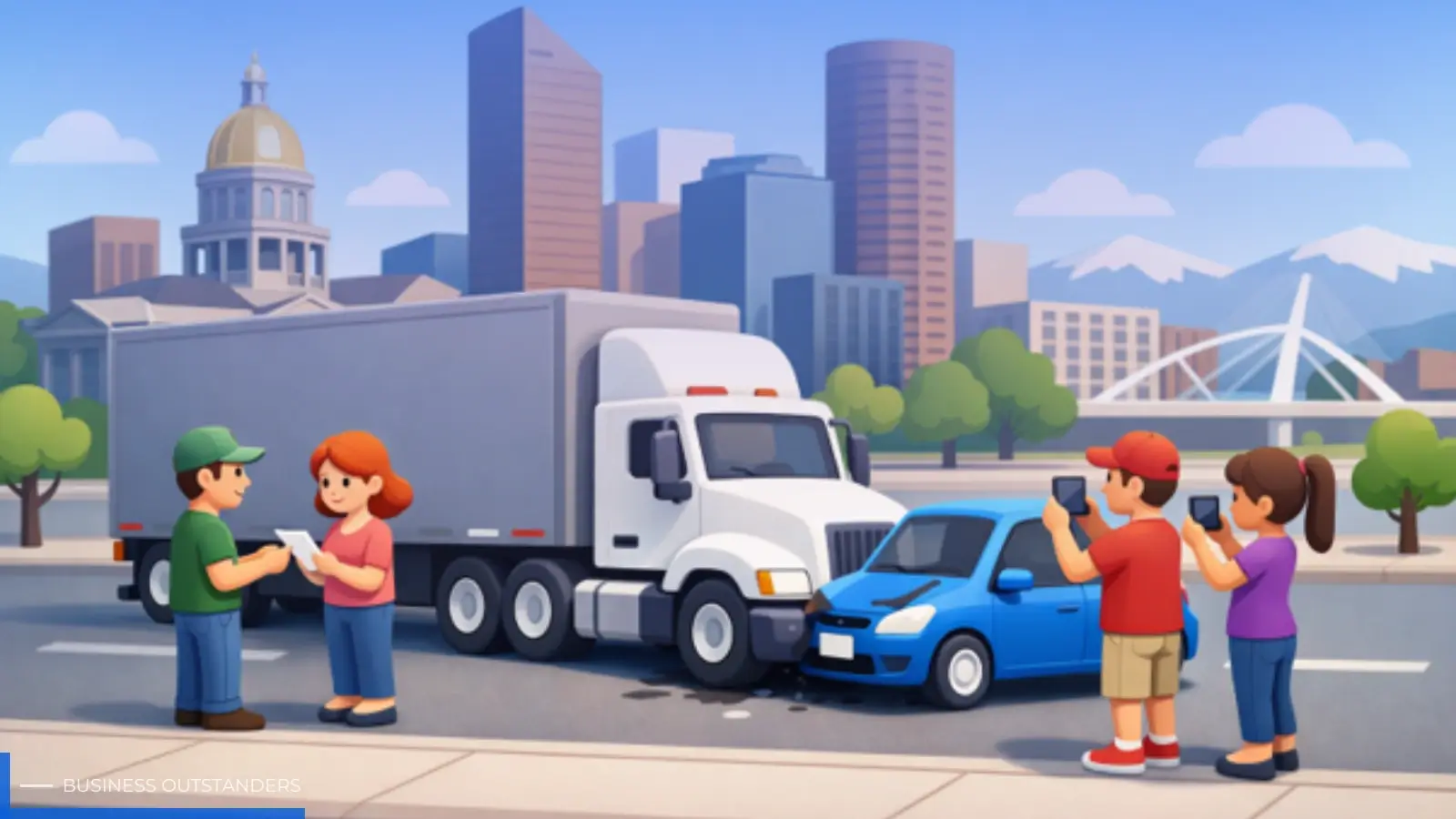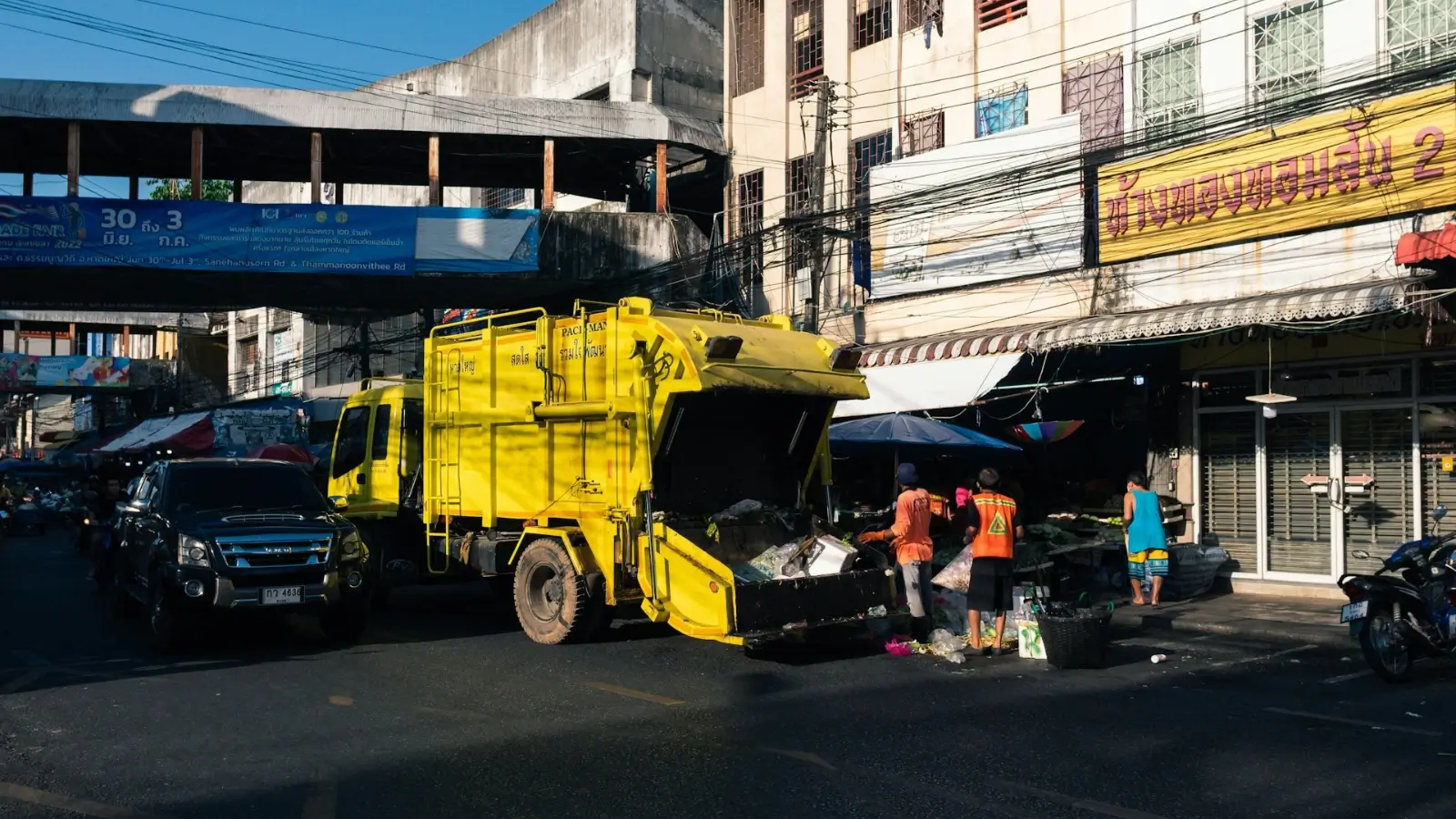
Garbage trucks are an important part of keeping towns clean and running. Every day, they pick up and move tons of trash through neighbourhoods, busy streets, and business areas. But even though these cars are useful, they are very dangerous on the road because of their size, weight, and frequent stops. Accidents involving trash trucks usually have terrible results, with drivers, pedestrians, cyclists, and even the people who drive the trucks getting seriously hurt.
The Sheer Size and Weight of Garbage Trucks
The sheer size of garbage trucks is one of the main reasons why accidents involving them cause such major injuries. Garbage trucks can weigh up to 30 tons when they are fully loaded, which is a lot more than the average car. When two cars crash, the smaller car usually takes the bigger hit. This means that the people inside are more likely to get serious injuries like broken bones, spinal cord damage, or traumatic brain injuries.
Garbage trucks are also harder to turn than cars because they are bigger. It can be hard to make quick stops, tight turns, and get around on small streets, which raises the risk of accidents in residential areas.
Frequent Stops in High-Traffic Areas
Unlike long-haul trucks that spend most of their time on highways, garbage trucks operate in dense neighbourhoods and city streets. They frequently stop to collect waste, often without much warning to other drivers. This sudden stopping and starting increases the likelihood of rear-end collisions and side-swipes.
Moreover, drivers behind garbage trucks may take try to get around them, such as attempting to pass in unsafe areas. This could cause accidents involving not only the trash truck but also nearby people walking or riding bikes.
Blind Spots and Limited Visibility
There are big blind spots in garbage trucks that make it hard for drivers to see people walking, riding bikes, or smaller cars next to or behind them. These blind spots are a lot bigger than those in regular cars, and they often cause crashes involving people who are less protected on the road.
Children playing near trash bins, people walking their pets, or cyclists riding close to the curb are especially at risk of being struck. Unfortunately, when these accidents happen, the injuries are often catastrophic due to the truck’s size and weight.
Hazardous Working Conditions
Garbage collection is a demanding job, and workers often operate in fast-paced and high-pressure environments. Fatigue, distraction, or even improperly secured loads can all contribute to garbage truck accidents. In some cases, workers riding on the truck may fall or be struck by another vehicle, resulting in serious injury.
Additionally, early morning collection schedules mean many garbage trucks are on the road before sunrise. Low visibility combined with heavy equipment increases the danger for both workers and the public.
Common Injuries in Garbage Truck Accidents
When garbage truck accidents happen, the injuries are often severe and can include:
-
Traumatic brain injuries from head trauma in collisions.
-
Crushed limbs and fractures from the force of impact.
-
Internal injuries caused by the heavy weight of the vehicle.
-
Fatal injuries, particularly for pedestrians or cyclists struck directly by the truck.
The Importance of Legal and Safety Measures
Because of the high risks involved, both garbage truck operators and municipalities have a duty to maintain safe practices. Proper training, regular vehicle maintenance, and adherence to traffic laws are critical in reducing accidents.
People who have been hurt by trash trucks often need to hire lawyers to help them get the money they need for medical bills, lost wages, and long-term care. Accident claims can be complex, as multiple parties—such as the truck driver, the waste management company, or even a government agency—may share responsibility.
Conclusion
Garbage truck accidents are not just minor fender-benders; they often lead to devastating injuries that alter lives forever. The combination of heavy vehicles, limited visibility, frequent stops, and urban operating environments creates conditions where accidents are both more likely and more severe. Greater awareness, stricter safety measures, and legal protections are essential in reducing these risks and helping victims rebuild after such traumatic events.
Business Outstanders brings you sharp insights on tech, business, entrepreneurship, law, crypto, and more. We uncover what’s next. Stay updated, sign up for our newsletter and be part of the future!