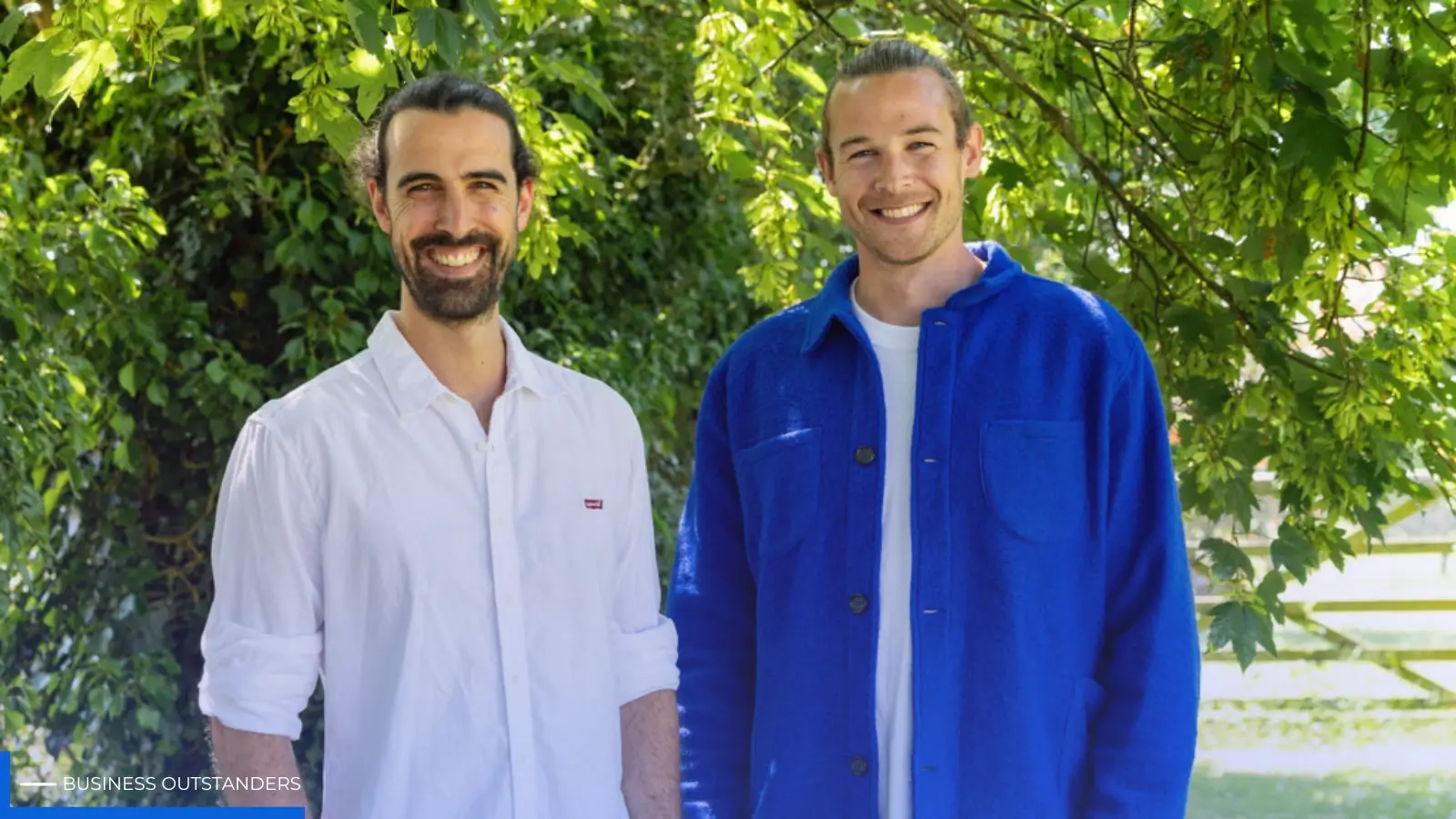
If you look at the most interesting new products in 2026, a pattern starts to appear. The real breakthroughs are not coming from huge departments with long meetings and layers of approval. They are coming from small, tightly knit teams who move quickly, know each other’s strengths, and are not afraid to try something new.
You can see this across all kinds of sectors, from fintech and software tools to digital entertainment. In online gaming, for example, many regional platforms are being reshaped by these compact groups. Markets such as online casinos Indiana are a good example, where specialist teams are refining the design, smoothing out payment systems, and testing what players actually respond to, often far more quickly than a traditional company could manage. It is the same story in many other industries. Lean teams are quietly setting the pace while bigger organisations are still filling out planning documents.
The Power of Lean Teams
Small teams have a simple advantage. They don’t have to wait around. If someone has an idea in a morning call, it can be prototyped that afternoon and tested with real users within days. There is no need to book a boardroom or build a slide deck to justify every small decision. The work moves forward because the conversation is direct, and everyone knows who is responsible for what.
That speed builds a certain kind of energy. When a designer, a developer, and a product lead can sit together, share a quick chat, and then jump straight into action, the whole project feels alive. People see the impact of their work almost immediately, which makes it easier to stay motivated.
Cross-skilled People Change the Game
In many of these teams, job titles are almost an afterthought. A developer might write copy for a landing page. A marketer might dig into analytics and make suggestions on onboarding. A designer might help plan customer support flows. That kind of overlap is not seen as a problem. It is what keeps things moving.
This cross-skilled mindset is becoming one of the defining traits of innovation in 2026. When people are encouraged to step slightly outside their usual lane, they bring fresh angles to everyday problems. A coder with an eye for storytelling might shape a clearer user journey. A marketer who understands basic product design might catch friction points before they reach customers. The result is not just speed, but also products that feel more joined up and thought through.
Iteration Over Perfection
A lot of small teams have let go of the idea that a product needs to be perfect before anyone sees it. Instead, they release something simple but useful, then keep polishing based on feedback. That might sound obvious, but it runs against the way many large organisations still work, where launches are rare, high-pressure events.
By contrast, a small group can treat each update as a casual step forward. They listen to what people say, check the data, fix what is not working, and keep adjusting. This reduces the risk of big, expensive missteps and keeps them honest. If something falls flat, they know quickly, and they can change direction without feeling like they have wasted a year.
Users usually prefer this too. People like products that grow with them. When they see regular improvements, they feel that someone is paying attention.
Why Creativity Feels Different in Small Groups
There is also a cultural side to all of this. In a small team, you do not need a calendar full of idea sessions to be creative. You just need a space where people feel comfortable speaking up. It is easier to be honest and informal when there are five of you rather than fifty.
In that environment, odd suggestions are more likely to be heard instead of quietly dismissed. Someone might float a feature that sounds strange at first but sparks a better version a week later. Over time, this creates a habit of curiosity. People look for unusual angles, listen more closely to users, and do not take the existing way of doing things as fixed.
Many of the clever touches that make modern apps and tools feel smooth are born in exactly that kind of setting. They are not always huge ideas. Sometimes it is a tiny detail, like how a notification appears or how a progress bar behaves, that makes a product feel cared for.
Remote Work Has Given Small Teams More Reach
Remote work has not just changed where people sit. It has changed who can work together. A small team in 2026 might include someone in London, another in Warsaw, and another in Austin, all sharing a chat window and a simple task board. With fewer people involved, time zones and schedules are easier to manage.
This setup lets teams pick the right person for a job rather than whoever happens to live nearby. It also keeps costs under control. Instead of renting a large office and paying for layers of support roles, a company can invest in a small group of highly capable people and the tools they need to stay connected.
Big Companies Are Trying To Copy The Model
Large organisations have noticed the success of this approach and are trying to replicate it from the inside. Many now speak about internal “squads” or “pods,” which are essentially small teams carved out of a much bigger structure. These groups are given clearer goals and more freedom to act, with the hope that they can move like a startup even while sitting inside a big company.
It is not always a perfect match, because the larger culture and processes still exist in the background. However, it shows how persuasive the small team model has become. Even businesses built on hierarchy are searching for ways to give people more control and shorten the path from idea to execution.
Business Outstanders brings you sharp insights on tech, business, entrepreneurship, law, crypto, and more. We uncover what’s next. Stay updated, sign up for our newsletter and be part of the future!