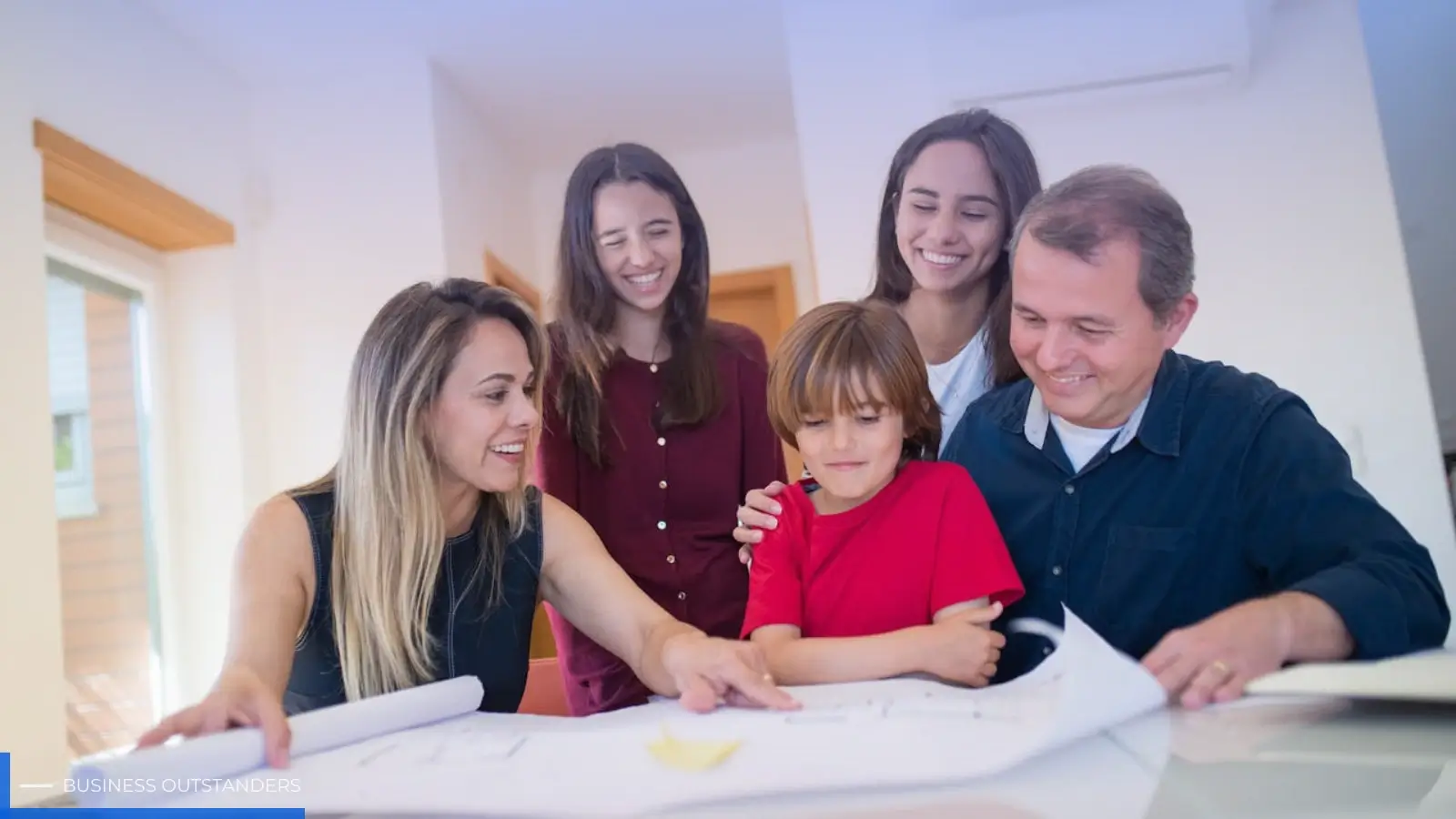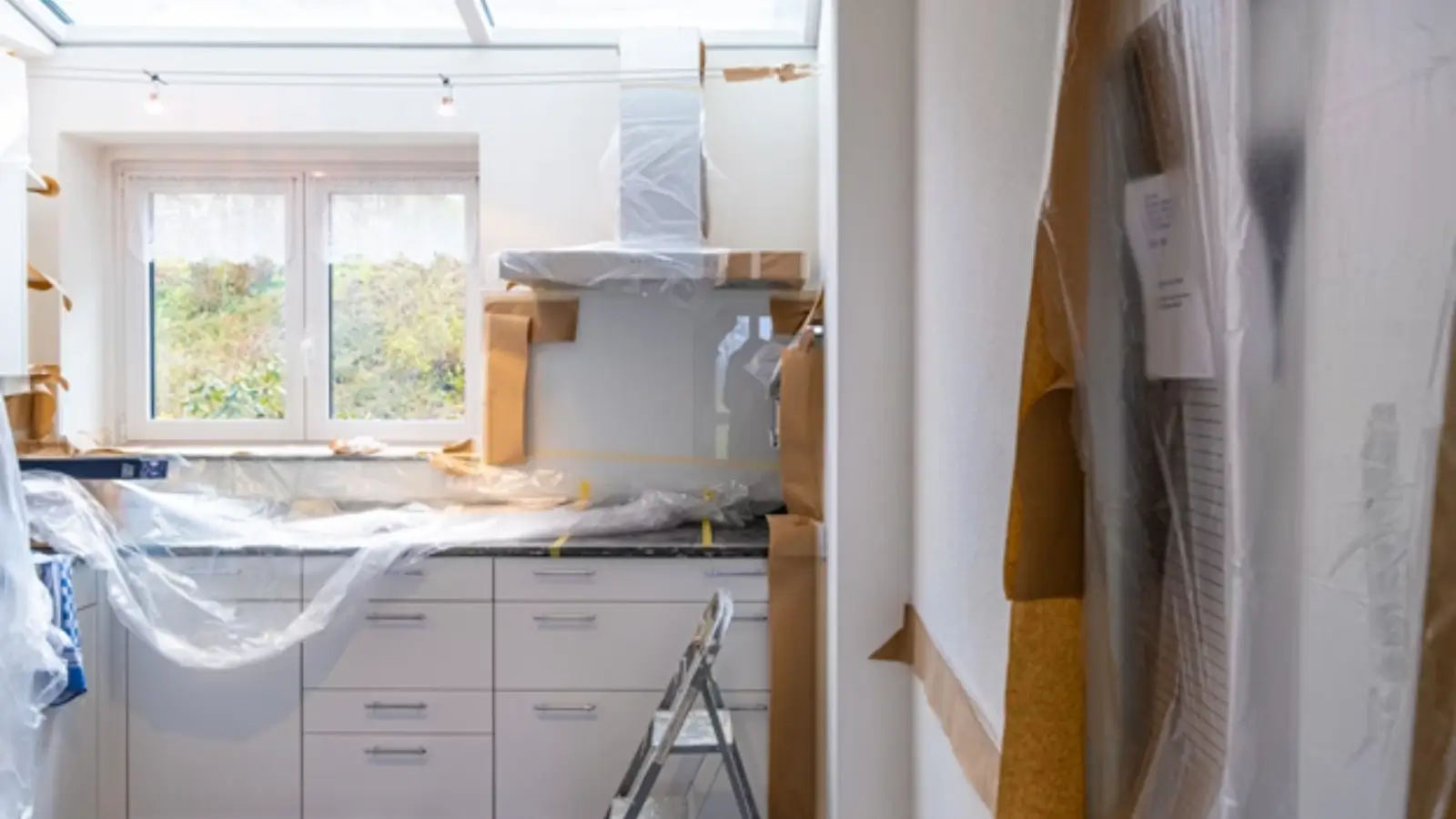
Maximizing living areas has become essential in urban homes, and nowhere is this more evident than in Housing and Development Board apartments. With limited floor space, homeowners are increasingly turning to creative solutions that make small areas feel open, stylish, and functional. The rise of Singapore HDB renovation has sparked new approaches that focus not only on aesthetic appeal but also on practicality, efficiency, and long-term value. These trends show how design innovation can completely transform compact flats into comfortable, modern living spaces.
Storage with Built-In Solutions
The smart usage of storage is also one of the most popular trends in HDB renovations. Homeowners are also turning to built-in systems rather than the use of large cabinets and furniture, which fit well into the apartment design. Platform beds with secret compartments or a full-height wardrobe that extends to the ceiling are examples of storage that is not cluttered. This will make each space in the apartment purposeful while still maintaining a clean and orderly appearance.
Multi-functional furniture is another popular design approach. Folding tables, convertible couches, and modular shelving systems enable residents to rearrange their living spaces based on their day-to-day requirements. This flexibility helps small spaces appear larger and more versatile, allowing residents to use the same room for dining, working, and resting.
The Production of the Fake Space by Open-Concept Plans
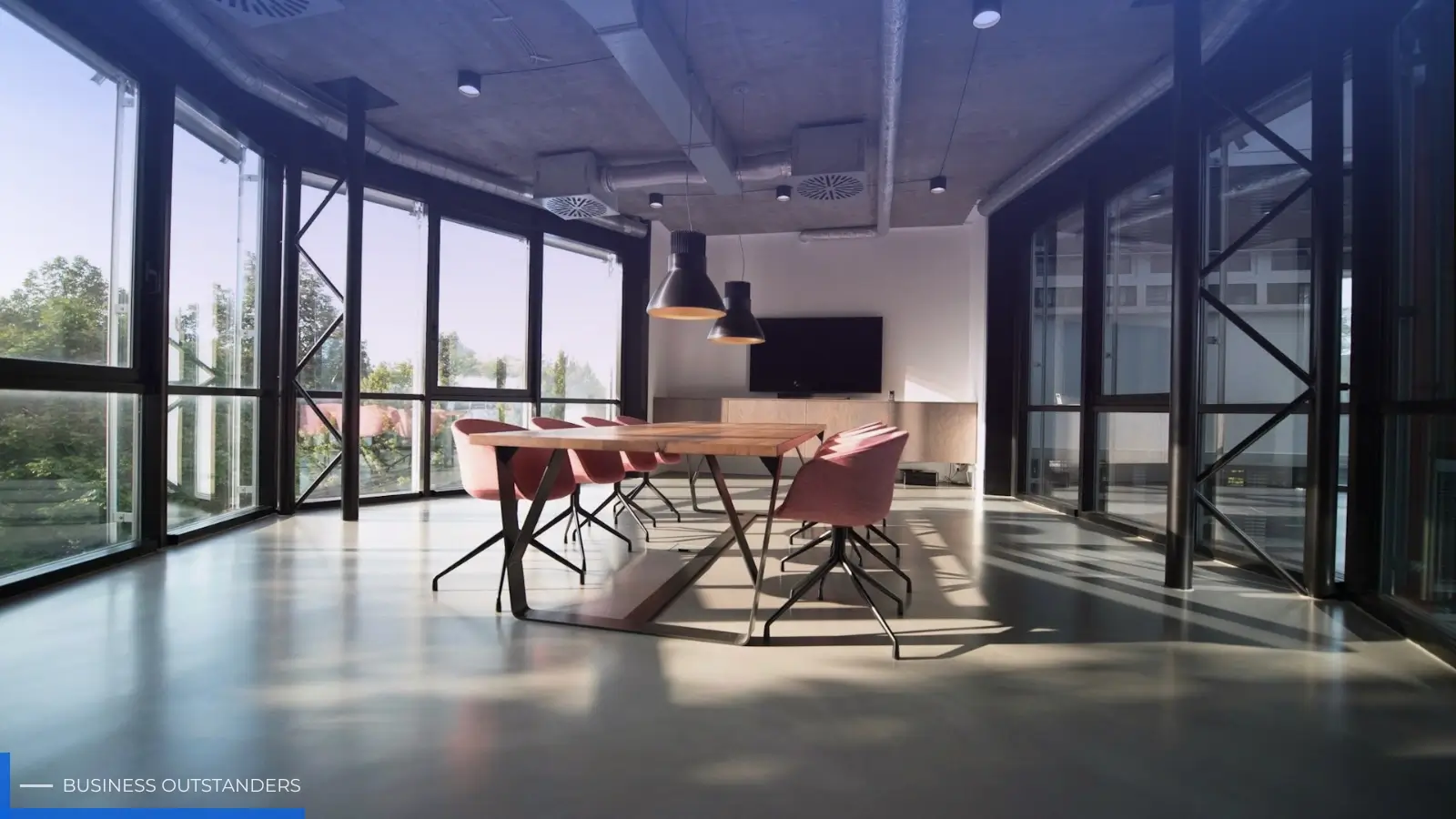
There have also been changes in renovation trends in Singapore towards open-concept layouts, where the surrounding area is minimized to form a larger space. The removal of the partitions between the kitchen, dining, and living space will enable the entry of natural light into the apartment, making it brighter and creating the effect of openness. Kitchens with an open concept are especially popular, as they seamlessly blend with the living area and allow people to socialize.
Glass partitions and sliding doors are also being creatively utilized to maintain privacy while creating visual continuity. Such transparency and flexibility offer homeowners the best of both worlds: clear boundaries where needed and open spaces where they can entertain or unwind. These designs work particularly well in smaller HDB apartments where it is important to maximize light and flow.
Energy Saving and Smart Home Technology
The adoption of smart technology has emerged as an essential aspect of HDB renovation today. The automated lighting, climate, and security systems are convenient and reduce energy consumption. Singaporeans are also embracing appliances with low energy consumption and LED lamps to help meet the country's overall sustainability objectives.
These technologies enable a modern and sustainable way of life. For example, intelligent air conditioners and induction stoves that are space- and power-efficient, and that adjust their use according to occupancy, are becoming increasingly standard. This is not only a trend that enhances the living experience, but it also follows the global trends of environmentally sustainable living.
Sleek Minimalism and Individual Touches
Minimalism is also a staple of HDB renovation trends, with its emphasis on straight lines, neutral colors, and minimalist spaces. Nevertheless, the homeowners are also becoming more personal to avoid making their houses too sterile. Otherwise, simple designs are made warm and full of character with feature walls, accent lighting, and textured materials.
Minimalism, combined with individuality, will help residents build homes that are relaxing and also reflect their identities. This proportion allows small HDB areas to be spacious without compromising the unique character that defines a home as homey.
Biomimetic and Eco-Friendly Design Options
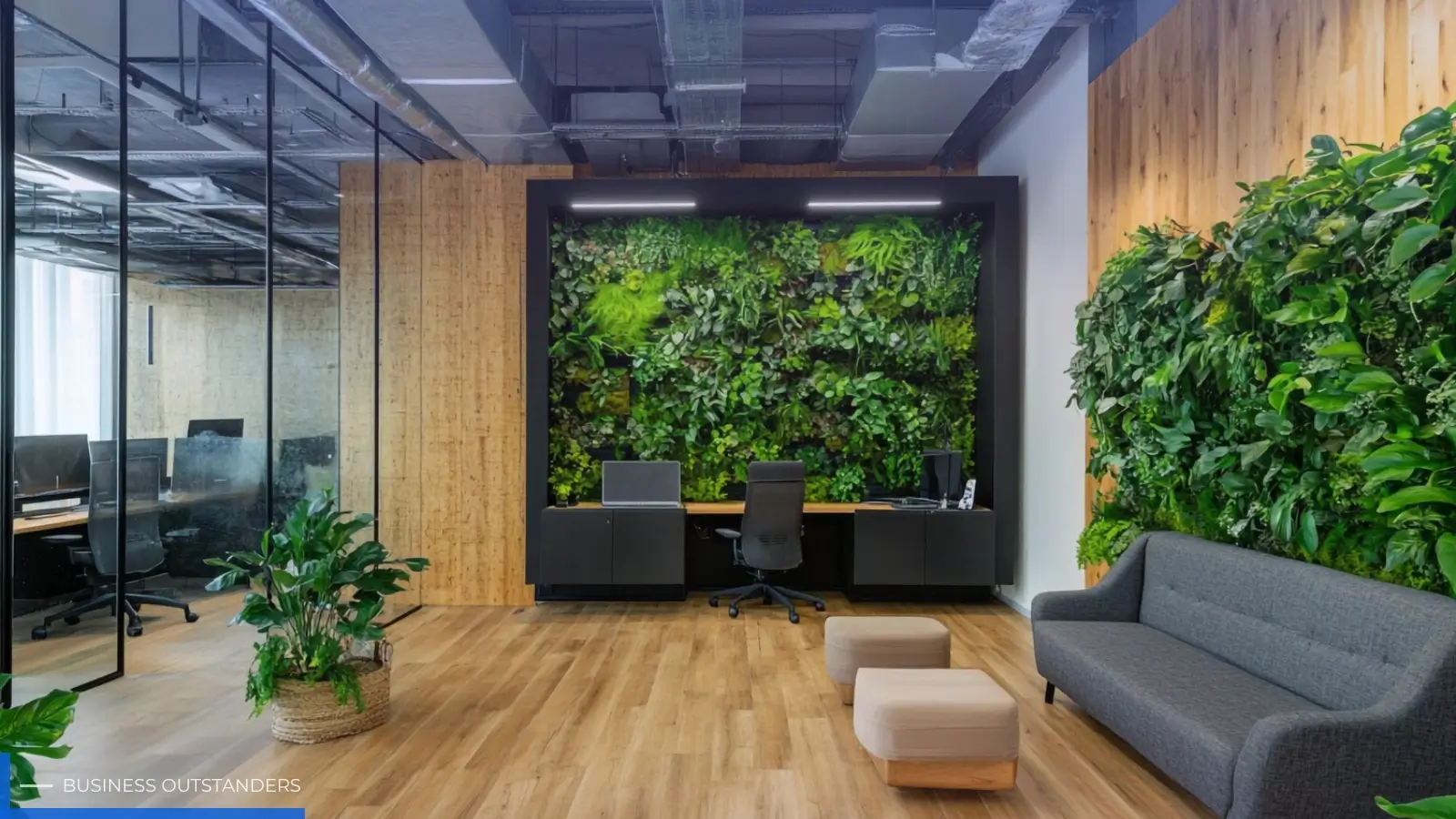
Another emerging trend is the incorporation of natural elements into HDB renovations. Homeowners are also incorporating wood finishes, indoor plants, and natural light to create a sense of calmness in their living areas. Not only does this biophilic strategy enhance aesthetics, but it also promotes well-being, which is particularly important in urban areas where outdoor space is often scarce.
Recycled wood, or green paints, are also becoming popular as sustainable design materials. Such decisions not only minimize the environmental impact but also contribute to healthier living conditions of inhabitants. Homeowners are investing in their long-term future by combining renovation practices with sustainability.
Conclusion
HDB apartments can be small, yet new trends in renovation are demonstrating that even a small apartment can be transformed into a beautiful, functional, and comfortable living space. Whether it is making the most of the available space by incorporating built-in furniture or adopting open spaces, intelligent technology, and sustainable design, homeowners have numerous choices to transform the way they live. The emergence of Singapore HDB renovation demonstrates not just the emphasis on aesthetics but also on flexibility and progressive design. With a belief in these trends, residents are building homes that respond to the needs of contemporary living without sacrificing individual style or sustainability.
Business Outstanders brings you sharp insights on tech, business, entrepreneurship, law, crypto, and more. We uncover what’s next. Stay updated, sign up for our newsletter and be part of the future!