Sewer systems are essential for managing waste, maintaining hygiene, and supporting modern living standards. Despite their importance, they are prone to blockages, backups, and contamination issues that can have serious consequences for property and health. When a sewer line fails or overflows, prompt and professional sewer cleanup is critical to mitigate damage, restore sanitation, and prevent long-term structural and health problems. Effective sewer cleanup is far more than a simple cleaning task; it requires specialized knowledge, equipment, and procedures to safely remove waste, disinfect affected areas, and prevent recurrence. Understanding the science, techniques, and risks associated with sewer cleanup is essential for property owners, facility managers, and maintenance personnel.
Understanding Sewer Backup and Contamination Risks
Sewer backups occur for a variety of reasons, including clogged pipes, tree root infiltration, broken lines, corrosion, heavy rainfall, or improper waste disposal. When wastewater overflows into a home or facility, it carries pathogens, bacteria, viruses, and chemical contaminants. Contact with raw sewage can cause serious health issues such as gastrointestinal infections, skin rashes, respiratory problems, and exposure to dangerous pathogens like E. coli and Salmonella. In addition to health risks, sewage water can quickly damage flooring, drywall, insulation, furniture, and personal belongings, often resulting in costly repairs.
Immediate intervention is critical when a sewer backup occurs. Delaying cleanup increases the risk of microbial growth, structural damage, and lingering odors. Professional sewer cleanup services are trained to address both the visible and hidden consequences of sewage exposure, ensuring that affected areas are sanitized, repaired, and safe for occupancy.
The Sewer Cleanup Process
Sewer cleanup involves several key steps, each of which is essential for ensuring the complete removal of contaminants and the restoration of affected spaces. The first step is assessment and containment. Professionals inspect the affected area to determine the source of the backup, identify contamination levels, and assess structural damage. Containment measures are implemented to prevent the spread of sewage to unaffected areas. This may include physical barriers, temporary sealing, and negative air pressure systems to control odors and airborne particles.
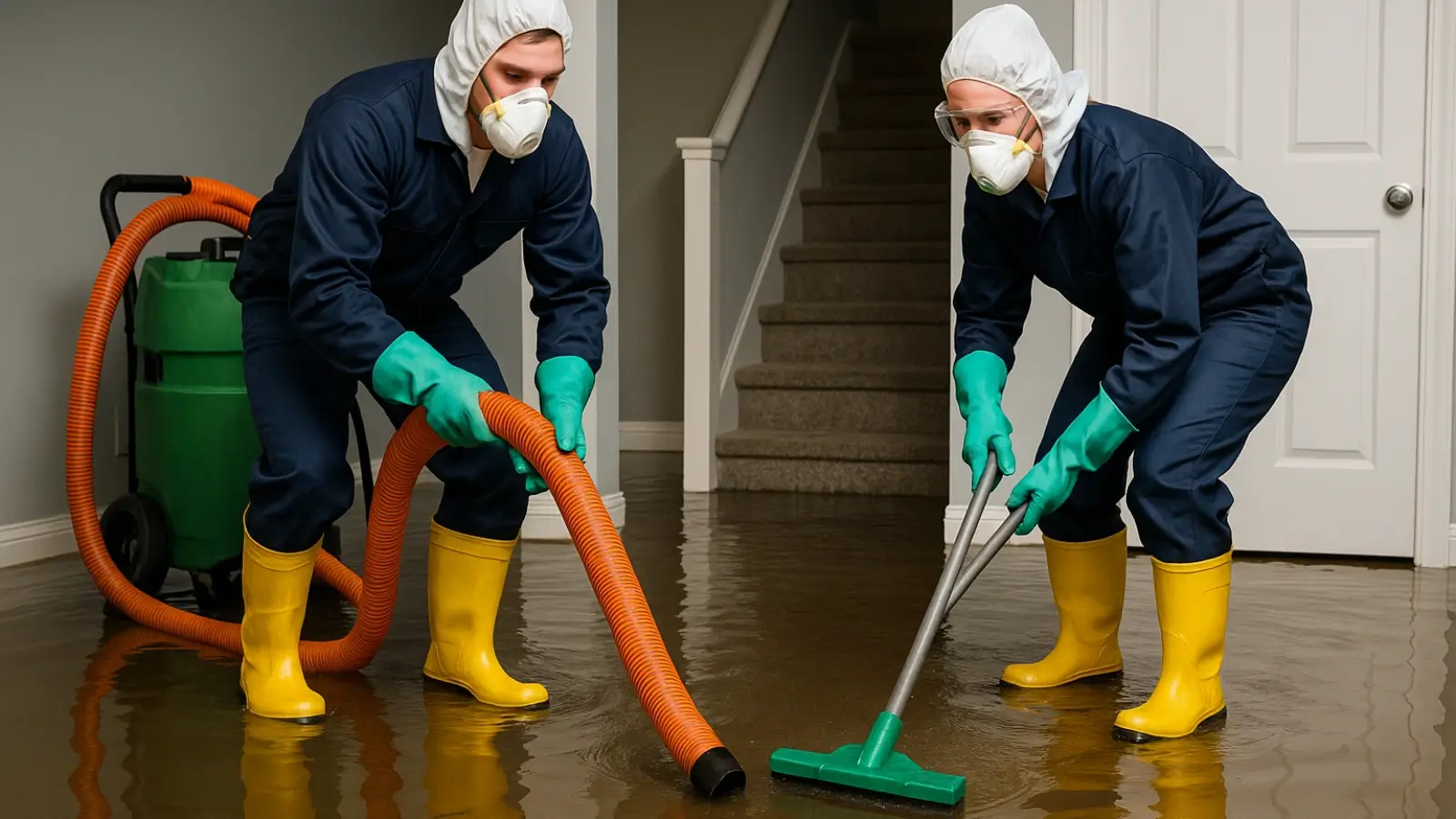
Once the area is secured, technicians remove contaminated water and debris. High-capacity pumps, wet vacuums, and specialized extraction equipment are used to remove liquid waste safely. Solid waste, sludge, and damaged materials such as soaked carpets, insulation, or furniture are carefully removed and disposed of according to environmental and safety regulations. These steps are critical for preventing further contamination and creating a clean workspace for restoration.
Cleaning and Disinfection
After the initial removal of waste, thorough cleaning and disinfection are conducted to eliminate bacteria, viruses, and other pathogens. Industrial-grade disinfectants, antimicrobial solutions, and cleaning agents are applied to floors, walls, and any remaining surfaces. High-pressure washing or steam cleaning may be used to penetrate porous materials and ensure that contaminants are fully neutralized. Specialized equipment such as HEPA-filtered air scrubbers can further improve air quality by removing microscopic particles and airborne pathogens. This comprehensive cleaning process is vital for protecting the health of occupants and minimizing long-term contamination risks.
Restoration and Structural Repairs
Sewer cleanup often involves more than just sanitation. Prolonged exposure to sewage water can weaken structural elements, including subflooring, drywall, and framing. Restoration specialists evaluate the integrity of these components and perform repairs or replacements as needed. Flooring, walls, cabinetry, and other affected materials may be removed and replaced with moisture-resistant alternatives. Proper drying techniques, including industrial dehumidifiers and airflow systems, are applied to prevent mold growth and further structural damage.
Sewer cleanup and restoration also involve addressing hidden issues. Moisture trapped within walls, crawl spaces, or insulation can lead to mold growth, odor persistence, and structural degradation. Skilled cleanup professionals use moisture meters, thermal imaging, and other diagnostic tools to detect and remediate these hidden problems effectively.
Safety Protocols in Sewer Cleanup
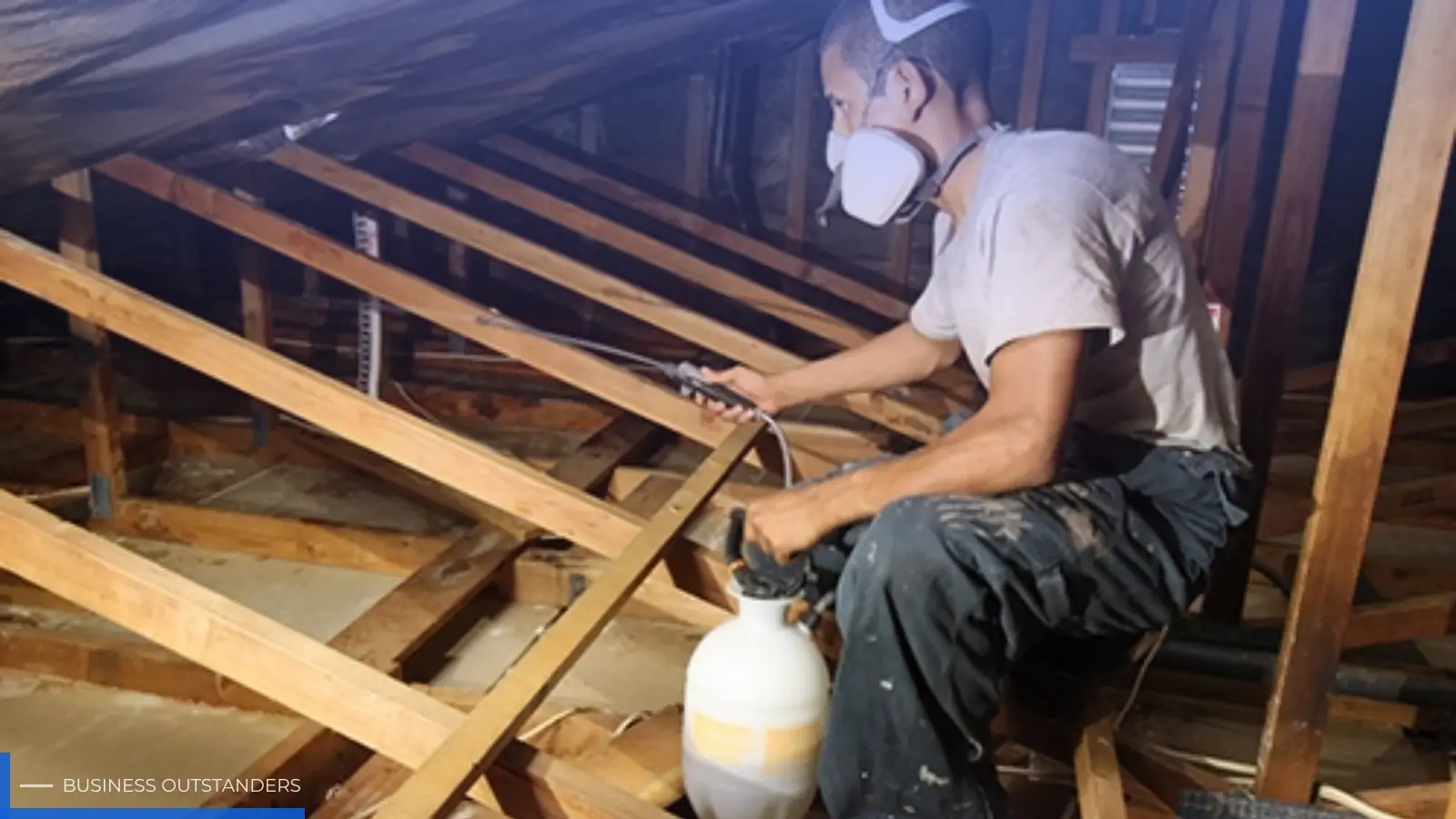
Safety is a paramount concern during sewer cleanup in Henderson. Sewage water is classified as biohazardous, requiring strict adherence to personal protective equipment (PPE) standards, including gloves, respirators, protective suits, and eye protection. Technicians are trained in infection control, containment procedures, and the safe handling and disposal of contaminated materials. Safety protocols also include decontamination procedures to prevent cross-contamination between the cleanup area and uncontaminated spaces. These measures protect both the cleanup team and occupants from exposure to harmful pathogens.
Equipment and Technology
Modern sewer cleanup relies heavily on specialized equipment and technology. High-capacity pumps, wet/dry vacuums, portable water extractors, pressure washers, and air movers are standard tools for efficient removal of contaminated water. For inspection and repair of sewer lines, advanced cameras and hydro-jetting equipment allow technicians to locate blockages, breaks, or corrosion without extensive excavation. Proper use of these tools ensures that the cleanup process is thorough, safe, and efficient, minimizing property damage and downtime.
Prevention and Maintenance
Professional sewer cleanup services also emphasize the importance of prevention. Regular inspection and maintenance of sewer lines, proper waste disposal practices, and immediate attention to slow drains or unusual odors can prevent backups from occurring. Preventive measures may include the installation of backflow preventers, routine snaking or hydro-jetting of sewer lines, and proactive monitoring of pipe integrity. Preventive maintenance not only reduces the likelihood of emergencies but also prolongs the lifespan of sewer infrastructure and minimizes repair costs.
Health and Environmental Considerations
Sewer backups present both health and environmental risks. Wastewater contains high concentrations of pathogens, organic matter, and chemical residues that can contaminate soil, water sources, and surfaces. Effective sewer cleanup requires careful adherence to environmental regulations, proper disposal of contaminated materials, and the use of eco-friendly cleaning solutions when possible. Trained professionals ensure that cleanup activities minimize environmental impact while fully eliminating health hazards.
Choosing a Professional Sewer Cleanup Service
Not all sewer cleanup efforts are equal. Hiring a qualified, certified, and experienced cleanup company ensures that the work is conducted safely, efficiently, and in compliance with regulations. Professional services provide a full assessment, transparent remediation plan, and documentation of work completed. They are equipped to handle emergencies, provide rapid response, and restore both safety and functionality to affected properties. Property owners should seek service providers with proven expertise, emergency response capabilities, and a track record of customer satisfaction.
Long-Term Benefits of Professional Sewer Cleanup
Engaging professional sewer cleanup in Henderson services provides lasting benefits beyond immediate restoration. Proper cleanup and sanitation protect the health of occupants, prevent structural damage, and reduce the risk of secondary problems such as mold growth and lingering odors. Documented remediation also supports insurance claims and ensures compliance with local health and safety standards. By investing in professional cleanup, property owners safeguard both their investment and the well-being of those who occupy the space.
Conclusion:
Sewer cleanup is a critical service that combines sanitation, restoration, safety, and preventive measures. Professional intervention ensures that wastewater hazards are safely contained, removed, and neutralized, protecting both occupants and the structural integrity of the property. With advanced technology, skilled technicians, and strict safety protocols, professional sewer cleanup transforms contaminated, hazardous spaces into safe, habitable environments. Prompt attention to backups and effective remediation not only restores functionality but also provides long-term protection against recurring issues. Investing in expert sewer cleanup safeguards health, preserves property value, and ensures peace of mind for property owners and occupants alike.
Business Outstanders brings you sharp insights on tech, business, entrepreneurship, law, crypto, and more. We uncover what’s next. Stay updated, sign up for our newsletter and be part of the future!