The Essential Role of a Well-Maintained Roof
A home’s roof is one of its most critical protective structures. It shields the interior from harsh weather, regulates temperature, and contributes significantly to the overall durability of the building. Yet, despite its importance, many homeowners overlook routine roof care until a major issue arises. When even a small portion of the roofing system is compromised, it can lead to widespread problems, including structural damage, mold growth, insulation failure, and increased energy costs. Understanding how roofing systems work, recognizing the signs of deterioration, and taking proactive steps to maintain them can greatly extend their lifespan and ensure long-term protection.
Roofing materials today are designed to be stronger and more resilient than ever before, but no roof is entirely immune to wear. Over time, seasonal changes, natural aging, and environmental conditions gradually affect its performance. Regular inspections and periodic maintenance allow homeowners to detect issues early and avoid costly complications. A well-maintained roof not only protects the home but also enhances its value, energy efficiency, and aesthetic appeal.
How Roofing Systems Function
Before exploring maintenance and upgrade strategies, it’s helpful to understand the basic components of a roofing system. A typical roof is made up of several layers that work together to provide insulation, weather resistance, and structural stability. These layers include the decking, underlayment, shingles or primary material, flashing, ventilation components, and drainage elements such as gutters.
The decking forms the roof’s foundation and must remain strong and dry to support the rest of the structure. The underlayment adds a protective barrier against moisture, helping to prevent leaks if the outer layer is compromised. Shingles or roofing materials act as the first line of defense against sun, rain, snow, and wind. Flashing helps seal vulnerable areas such as edges, chimneys, and joints, preventing water from entering. Proper ventilation regulates airflow, reducing humidity and preventing the buildup of heat that can damage shingles. Gutters channel water away from the roof and foundation, reducing the risk of erosion or leaks.
Together, these components create a comprehensive system that must be maintained consistently for optimal performance.
Common Causes of Roof Damage
Several factors contribute to roof deterioration. Weather is one of the most significant threats. Intense UV exposure can weaken roofing materials, causing cracking or curling. Heavy rainfall may lead to leaks if shingles are damaged or improperly installed. Snow accumulation increases weight load and the risk of ice dams, which prevent proper drainage and can allow water to seep under shingles.
Wind is another leading cause of roof damage. Strong gusts can lift or loosen shingles, exposing the underlayment or decking to moisture. Flying debris from storms can create immediate punctures or dents that are difficult to detect without proper inspection. Overhanging trees also pose risks; falling branches can damage the roof’s structure, while accumulated leaves may trap moisture and accelerate mold growth.
Aging materials naturally lose their effectiveness over time. Even roofs built with premium materials experience gradual wear, eventually requiring maintenance or replacement. Regular inspections help identify weaknesses before they turn into severe issues that require extensive repairs.
Recognizing the Early Signs of Roofing Issues
Homeowners often notice roof problems only after significant damage has occurred, but early signs are usually present long before major leaks or failures develop. Visible issues such as missing, cracked, or curled shingles should never be ignored. Discoloration on shingles may indicate water damage or algae growth. Sagging or uneven areas can signal structural concerns beneath the surface.
Inside the home, water stains on ceilings or walls are common indicators of roof problems. Damp insulation, peeling paint, or unexplained mold growth may also signal hidden moisture infiltration. In some cases, homeowners may notice unusual drafts or rising energy bills, which often point to compromised roofing ventilation or insulation.
Addressing issues promptly helps prevent further damage. Many homeowners schedule roof repair as soon as these warning signs appear to avoid more extensive and costly problems later.
Importance of Regular Roof Inspections
Routine inspections are one of the most effective ways to maintain roof health. Experts recommend inspecting a roof at least twice per year, ideally in spring and fall. These inspections help identify damage caused by seasonal weather patterns. Additionally, inspections following major storms or heavy snowfall help catch sudden issues before they escalate.
During an inspection, professionals examine shingles, flashing, gutters, and ventilation systems. They look for structural inconsistencies, moisture buildup, and signs of deterioration. Early detection allows homeowners to take corrective measures quickly, ensuring the roof remains strong and stable throughout the year.
Enhancing Roof Durability Through Preventive Maintenance
Preventive maintenance is essential for prolonging the life of any roofing system. Cleaning gutters regularly helps prevent water from backing up and causing leaks. Removing debris from the roof surface prevents moisture from accumulating and attracting mold or pests. Trimming overhanging branches reduces the risk of falling debris and prevents leaves from collecting on the roof.
Sealing roof penetrations and replacing worn-out flashing go a long way in preventing leaks. Reinforcing weak points and repairing minor damage early also helps maintain the roof’s integrity. These simple preventive measures greatly reduce the likelihood of major roofing issues.
Homeowners who stay consistent with maintenance routines benefit from improved roof performance and fewer emergency expenses. For instances where the damage becomes more significant, homeowners often choose roof repair in los gatos to restore durability and prevent further deterioration.
Upgrading Roofing Materials for Better Performance
Advancements in roofing technology have introduced more durable, energy-efficient, and aesthetically pleasing materials. Asphalt shingles remain popular due to their affordability and versatility, but many homeowners opt for higher-performance materials for greater longevity.
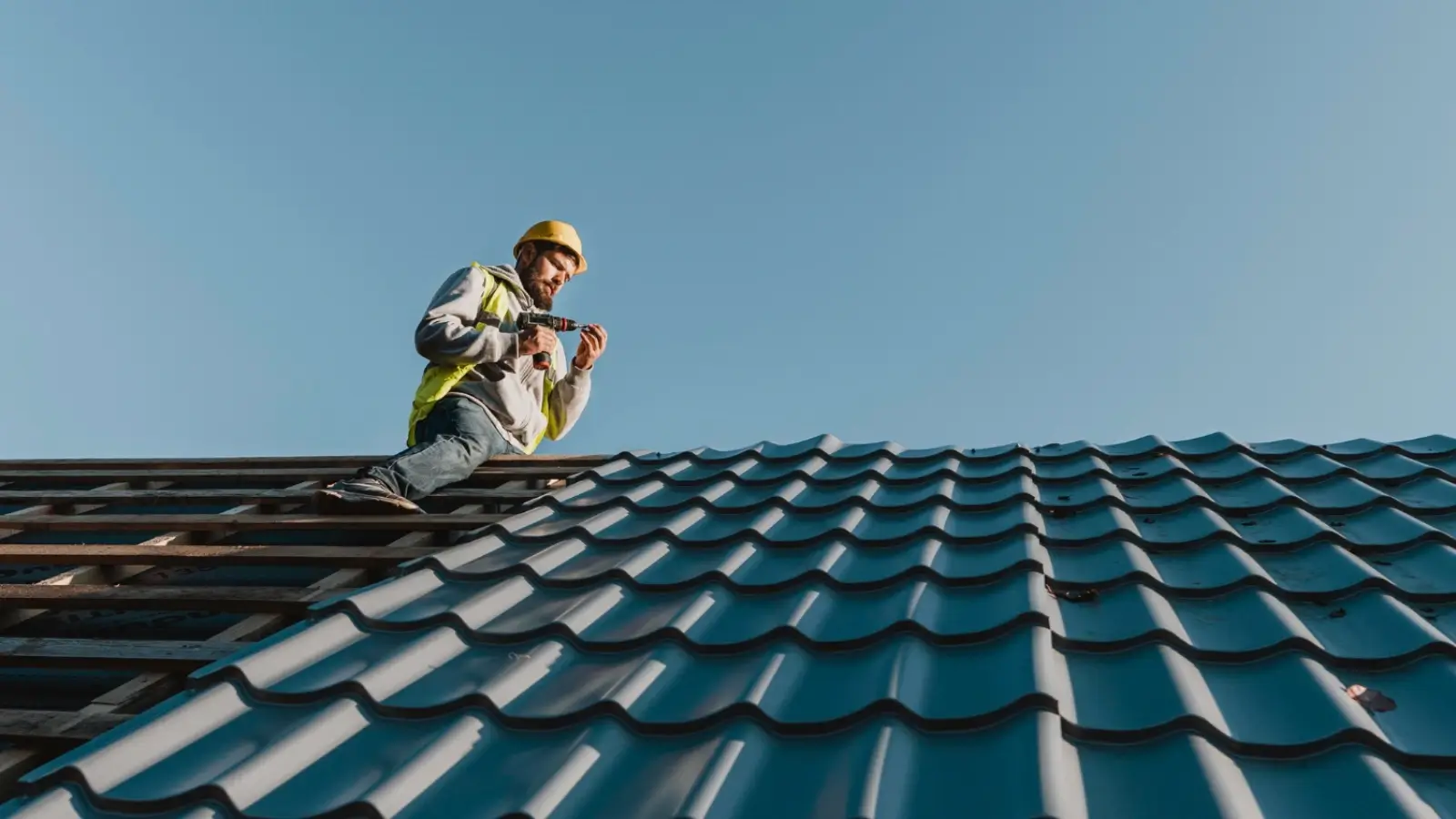
Metal roofing provides excellent resistance to wind, fire, and impact damage, making it a long-lasting option for regions with harsh climates. Tile and slate offer exceptional durability and timeless beauty but require strong structural support due to their weight. Synthetic materials mimic the appearance of natural materials while offering improved durability and lower maintenance.
When upgrading roofing materials, homeowners should consider factors such as climate, budget, and long-term durability. Selecting the right material can significantly extend the roof’s lifespan and improve home protection.
The Importance of Proper Ventilation and Insulation
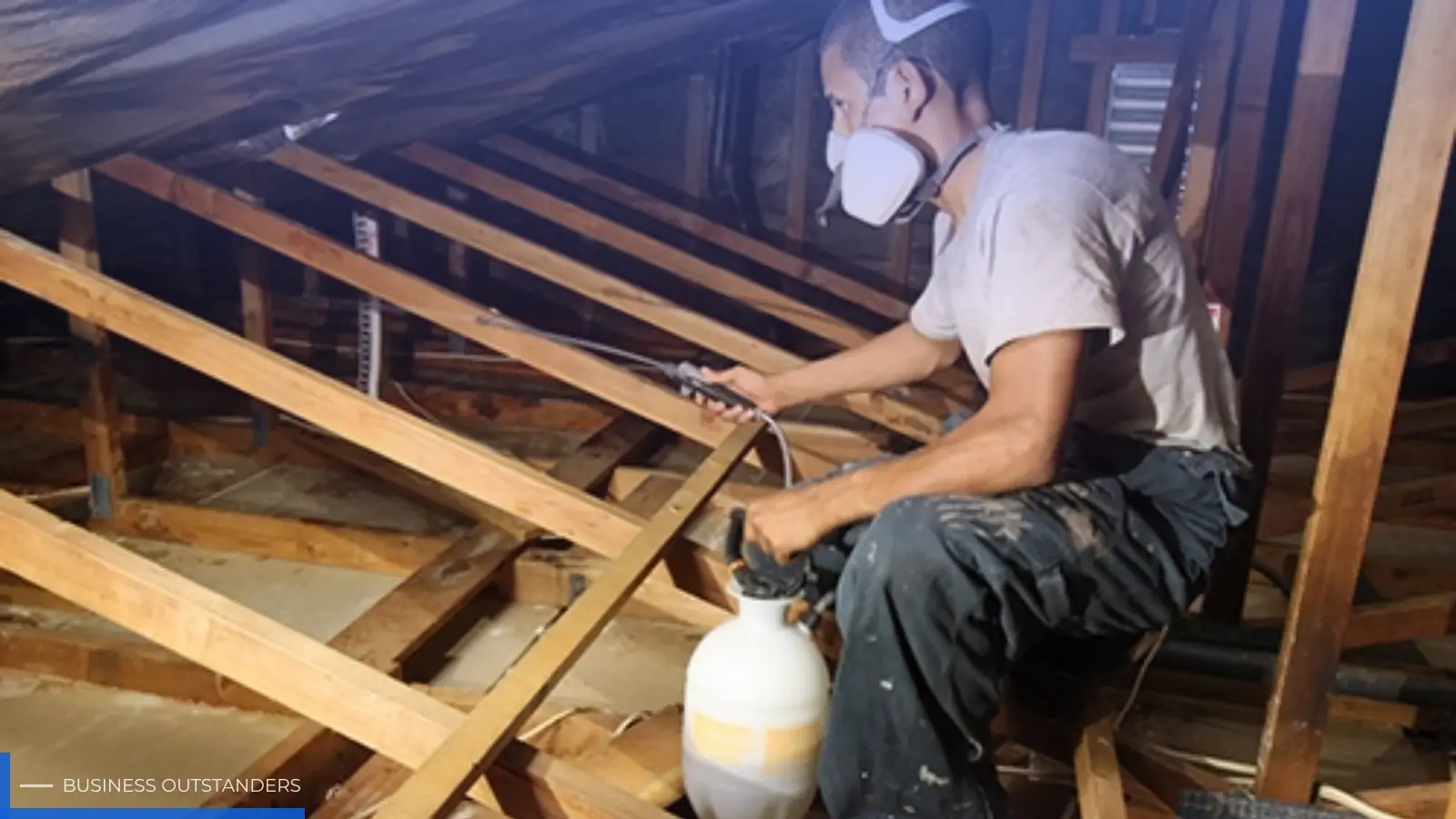
Ventilation and insulation are crucial to maintaining the health of a roof. Poor ventilation can trap heat and moisture inside the attic, causing shingles to deteriorate and encouraging mold growth. Effective ventilation keeps the roof cooler, reduces humidity, and prevents structural issues.
Insulation helps regulate indoor temperatures and reduces energy costs. Without proper insulation, heat can escape during colder months or infiltrate during warmer seasons. This not only affects comfort but also strains heating and cooling systems. Homes with balanced ventilation and insulation experience fewer roofing problems and enjoy more consistent indoor comfort.
Why Professional Expertise Matters
While some minor maintenance tasks can be handled by homeowners, many roofing issues require professional expertise. Working on a roof involves safety risks, and improperly performed repairs can worsen damage or shorten the roof’s lifespan. Professionals have the training, tools, and experience needed to handle repairs safely and accurately.
They can identify hidden issues that homeowners often miss, such as compromised underlayment, structural weaknesses, or ventilation problems. Through expert assessment and quality workmanship, professionals ensure the roof remains in optimal condition. When significant issues arise, homeowners often rely on roof repair specialists to restore reliability and prevent future complications.
How Roof Improvements Enhance Home Value
In addition to ensuring safety and functionality, roof upgrades can significantly increase a home’s resale value. Prospective buyers often prioritize homes with newer or well-maintained roofs, as this reduces the likelihood of unexpected expenses after purchase. A solid, attractive roof enhances curb appeal and makes the property more desirable.
Energy-efficient roofing materials, reflective coatings, and improved ventilation systems also appeal to buyers seeking sustainable, cost-saving features. Investing in roofing improvements not only benefits current homeowners but also adds long-term property value.
Planning for the Future Through Long-Term Roof Care
Long-term planning is essential for maintaining roof performance. Homeowners should establish a maintenance schedule, budget for periodic inspections, and stay informed about the condition of their roof. Keeping detailed records of maintenance, repairs, and material upgrades helps track the roof’s lifespan and prepares homeowners for future improvements.
A proactive approach reduces the likelihood of sudden failures and promotes long-term stability. By understanding roofing needs and planning ahead, homeowners ensure their homes remain protected for decades.
Conclusion
A roof is one of the most important structural elements of any home, providing essential protection, stability, and comfort. By understanding common challenges, recognizing early warning signs, and performing routine maintenance, homeowners can significantly prolong their roof’s lifespan. Upgrading materials, improving ventilation, and seeking professional guidance all contribute to a more durable and efficient roofing system. With thoughtful planning and consistent care, maintaining a reliable roof becomes an invaluable investment in both safety and home value. Whether through routine upkeep or essential roof repair, ensuring the strength and stability of your roofing system protects your home and enhances your overall quality of life.
Business Outstanders brings you sharp insights on tech, business, entrepreneurship, law, crypto, and more. We uncover what’s next. Stay updated, sign up for our newsletter and be part of the future!