Introduction
Roofing is one of the most critical components of any building. A properly designed and installed roof not only protects the structure from environmental factors but also enhances energy efficiency and contributes to the overall aesthetic appeal. With advancements in materials and techniques, modern roofing solutions offer durability, cost-effectiveness, and sustainability. This article explores different roofing materials, professional installation practices, maintenance strategies, and emerging trends that property owners should consider to ensure long-lasting and high-performing roofs.
A roof is more than a protective covering; it is an investment in a building’s structural integrity and value. Selecting the right roofing system requires careful consideration of the building’s needs, the materials available, and the skills of professionals involved in the installation process.
The Importance of Quality Roofing
Quality roofing in Rockland County is essential for safeguarding a building against rain, snow, wind, and ultraviolet radiation. Poor-quality materials or substandard installation can lead to leaks, structural damage, and costly repairs. On the other hand, high-quality roofing enhances insulation, reduces energy consumption, and contributes to the overall efficiency of the property.
A well-maintained roof also improves the visual appeal of a building. Modern roofing designs offer aesthetic versatility, allowing property owners to complement architectural styles while maintaining functionality. Whether for residential or commercial properties, a strong roof provides long-term protection and adds value to the structure.
Common Roofing Materials and Their Advantages
The choice of roofing materials directly impacts durability, appearance, and cost-effectiveness. Here is a closer look at popular options:
1. Asphalt Shingles
Asphalt shingles remain one of the most popular choices due to their affordability, versatility, and ease of installation. They are available in a wide variety of colors and styles, providing flexibility in design. Modern asphalt shingles are engineered for durability and weather resistance, making them suitable for a wide range of applications.
2. Metal Roofing
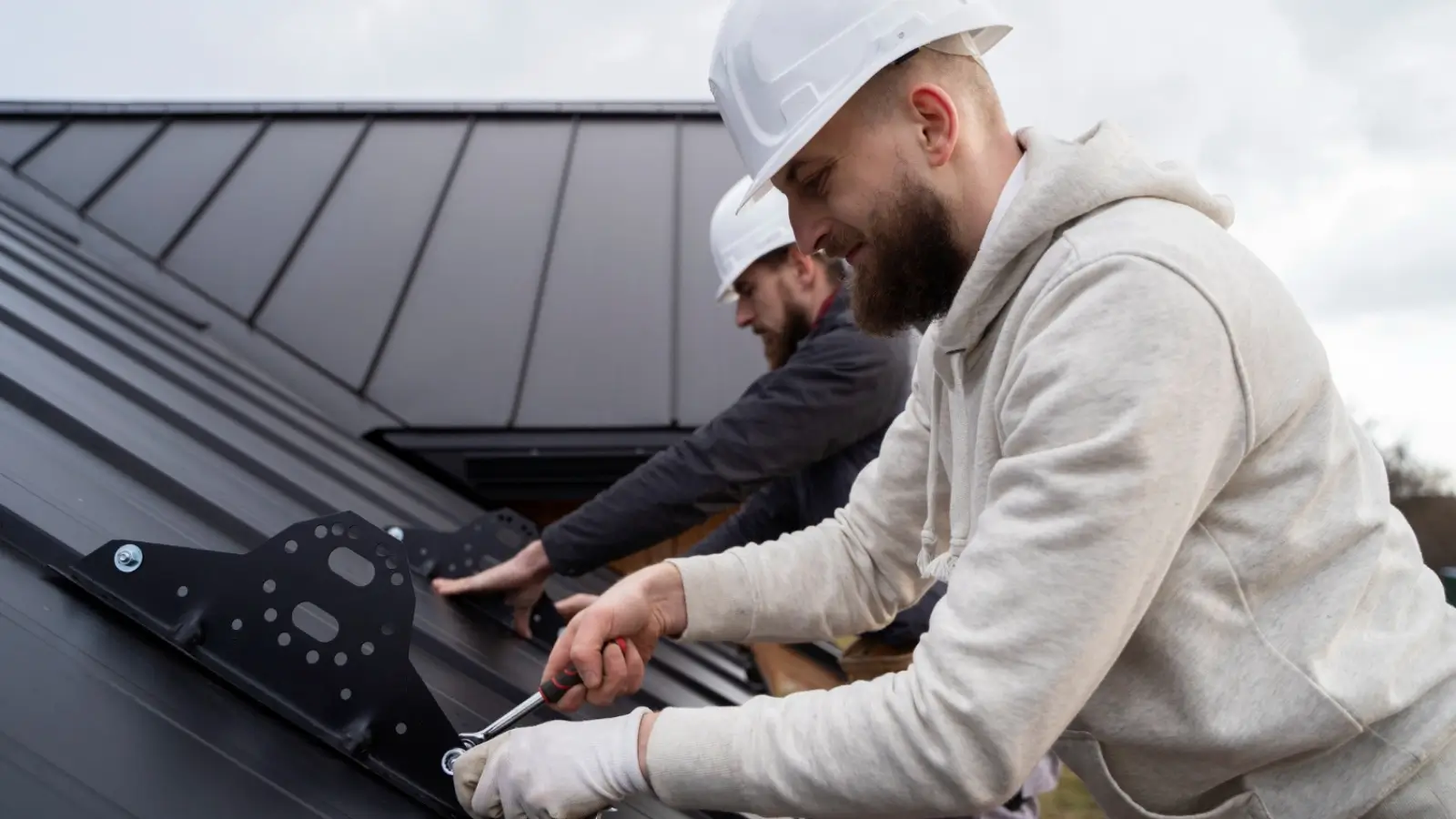
Metal roofing is renowned for its longevity, fire resistance, and ability to withstand extreme weather. Materials such as steel, aluminum, and copper provide a strong and lightweight roofing solution. Metal roofs are also energy-efficient, reflecting heat to reduce cooling costs, and many products are made from recycled materials, making them environmentally friendly.
3. Tile Roofing
Clay and concrete tiles offer exceptional durability, longevity, and aesthetic appeal. They can withstand harsh weather conditions and provide natural insulation, helping regulate indoor temperatures. Tile roofs are ideal for property owners looking for both strength and visual elegance.
4. Slate Roofing
Slate is an extremely durable material that can last over a century. While the upfront cost is higher, its longevity, fire resistance, and low maintenance requirements make it a worthwhile investment. Slate roofs provide a timeless, sophisticated appearance that enhances the overall architectural value of a property.
5. Synthetic Roofing Materials
Synthetic materials, such as rubber, polymer, or composite products, mimic the appearance of natural materials like slate or wood while offering increased durability and lower maintenance requirements. These materials are lightweight, easier to install, and often more affordable than traditional options, making them an appealing alternative for property owners.
Professional Installation Techniques
Even the highest-quality materials require precise installation to perform effectively. Professional roofing teams follow established protocols to ensure the roof is durable, weather-resistant, and long-lasting.
1. Inspection and Preparation
Prior to installation, a thorough inspection of the existing structure is essential. Roofers examine for structural weaknesses, water damage, or rot. Proper preparation sets the foundation for a successful roofing project.
2. Underlayment Installation
The underlayment acts as a secondary barrier against water infiltration and provides insulation. Modern underlayment materials are designed to resist moisture, enhance energy efficiency, and protect the roofing system from environmental damage.
3. Flashing and Ventilation
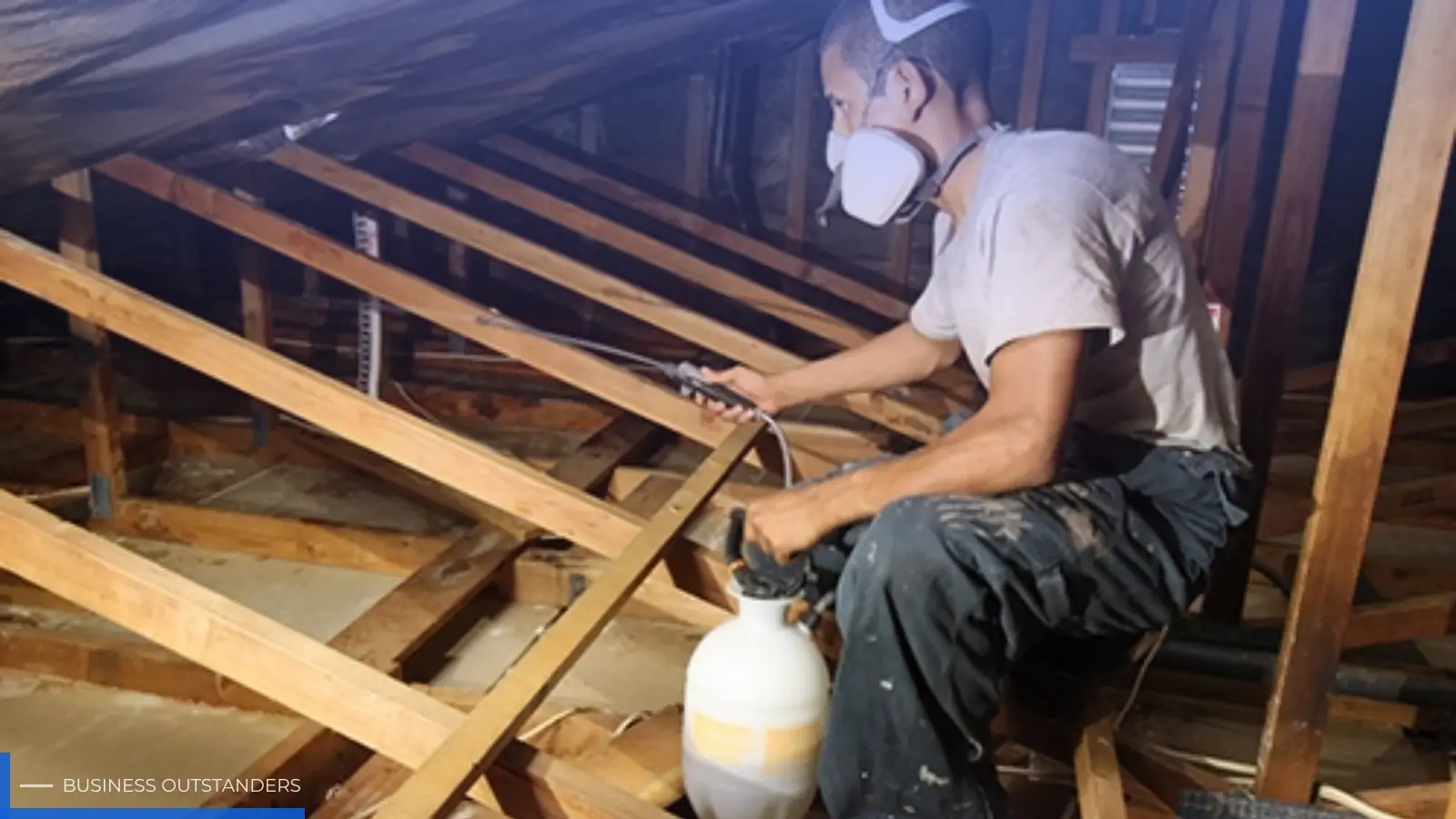
Flashing is installed around chimneys, vents, and valleys to prevent water penetration in vulnerable areas. Adequate ventilation is equally important, helping regulate attic temperatures, prevent moisture buildup, and reduce the risk of mold growth. Proper ventilation extends the lifespan of the roofing system and ensures optimal performance.
4. Final Installation and Inspection
After the primary roofing materials are installed, a final inspection ensures proper alignment, secure attachment, and overall integrity. This step minimizes the risk of leaks, structural damage, and premature deterioration, guaranteeing that the roofing system meets safety and performance standards.
Maintenance Strategies for Longevity
Regular maintenance is crucial to ensure a roof remains in optimal condition. Routine tasks include cleaning gutters, inspecting for damaged shingles or tiles, checking flashing, and addressing minor repairs before they escalate into major problems.
Seasonal inspections are recommended to account for weather-related damage. Winter storms, heavy rainfall, and summer heat can all impact roofing materials over time. Scheduling inspections at least twice a year, as well as after significant weather events, helps extend the life of the roof and prevents costly repairs.
Energy-Efficient and Sustainable Roofing
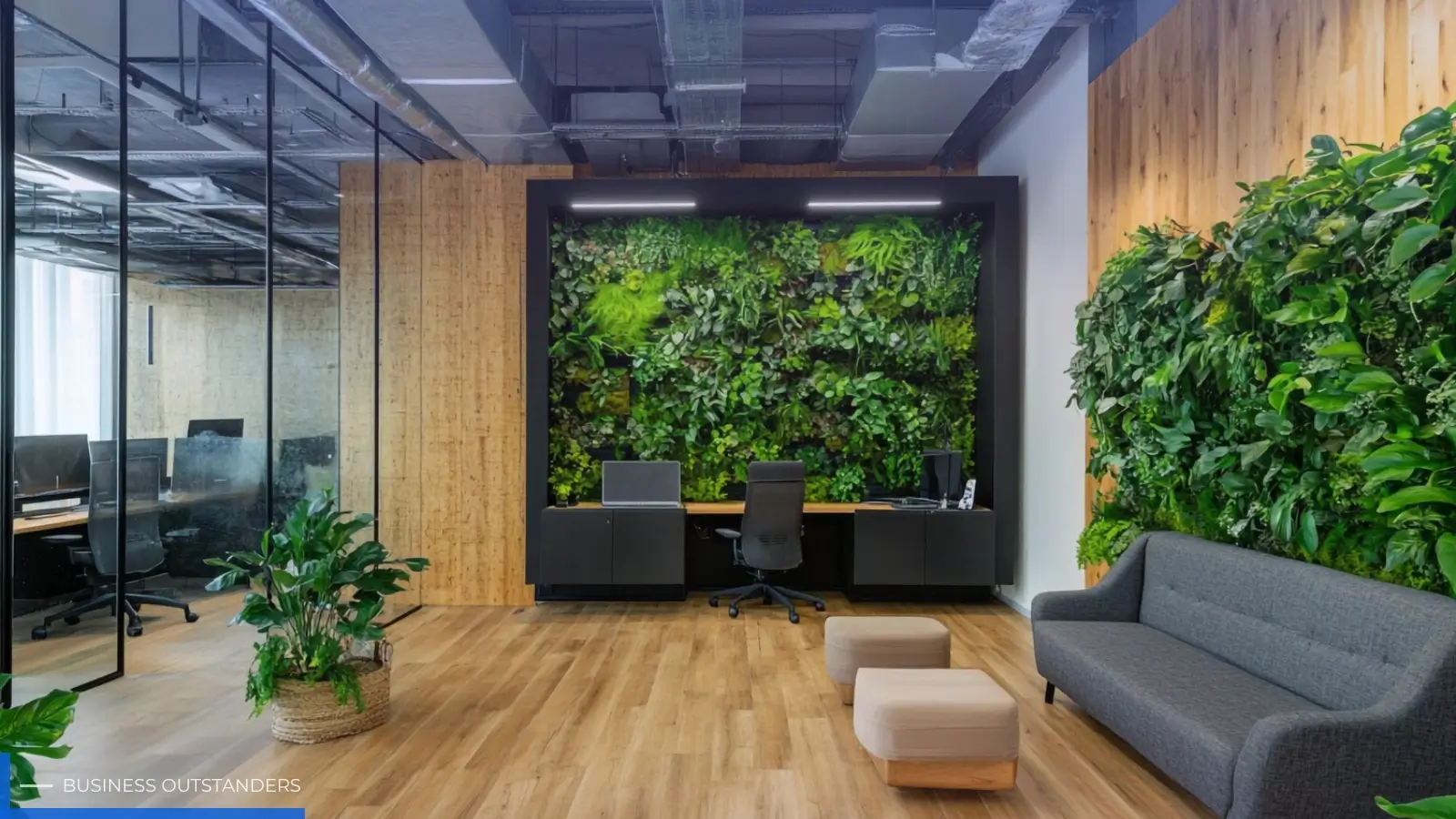
Sustainability and energy efficiency are key considerations in modern roofing solutions. Reflective roofing materials reduce heat absorption, lowering cooling costs during hot seasons. Green roofs, which incorporate vegetation, provide insulation, absorb rainwater, and promote environmental benefits such as improved air quality and biodiversity.
Additionally, integrating solar panels into roofing systems allows property owners to generate renewable energy, reduce electricity costs, and decrease reliance on non-renewable energy sources. Selecting sustainable and energy-efficient roofing options not only benefits the environment but also enhances the long-term value and efficiency of the property.
Choosing the Right Professionals
Engaging professional roofing teams ensures that every aspect of the project, from material selection to installation, is executed correctly. Skilled roofers have the knowledge, tools, and experience to complete the job efficiently while complying with building codes and safety regulations.
When selecting roofing professionals, consider their experience with specific materials, portfolio of completed projects, and client feedback. Hiring qualified roofers guarantees a durable, high-performing roofing system that meets both functional and aesthetic requirements.
Common Challenges in Roofing Projects
Roofing projects often encounter obstacles such as unexpected structural issues, weather delays, or material shortages. Clear communication between property owners and roofing professionals is essential to manage these challenges effectively.
Understanding warranty coverage for materials and labor also helps prevent disputes and ensures timely resolution of issues. By planning proactively and maintaining open communication, property owners can ensure a smooth roofing project and a high-quality result.
Conclusion
Modern roofing offers innovative materials, professional installation techniques, and energy-efficient options that combine durability, functionality, and visual appeal. From choosing the right materials to engaging skilled professionals and performing regular maintenance, every step is essential for achieving a long-lasting roof.
Professional roofing teams provide the expertise needed to ensure a roof withstands environmental challenges, remains energy-efficient, and enhances the property’s value. With proper planning, sustainable practices, and routine upkeep, property owners can enjoy a reliable, visually appealing, and long-lasting roofing system for years to come.
Investing in quality roofing today ensures protection, energy efficiency, and peace of mind for the future, making it one of the most important considerations for any building project.
Business Outstanders brings you sharp insights on tech, business, entrepreneurship, law, crypto, and more. We uncover what’s next. Stay updated, sign up for our newsletter and be part of the future!