High-traffic office buildings face hygiene challenges that most people simply do not think about until someone gets sick. Hundreds or even thousands of people moving through the same doors, elevators, restrooms, and break rooms every day create constant opportunities for germs to spread. Maintaining health standards in high-traffic office buildings requires more than a quick wipe-down at the end of the day. It requires a structured, consistent janitorial program that matches the pace and pressure of the building itself.
For office managers, facility directors, and building owners, understanding why regular office cleaning matters is the first step toward making it a real priority rather than an afterthought.
Why High Traffic Creates Higher Health Risk
The more people who touch a surface, the faster bacteria and viruses accumulate on it. A door handle in a quiet office might be touched a few dozen times a day. In a high-traffic building, that same handle could be touched hundreds of times before lunch. Each contact adds to the biological load on the surface, and without regular disinfection, that load grows throughout the day.
Common viruses like influenza and respiratory illnesses can survive on hard surfaces for several hours. In a busy office environment, one sick employee touching a shared keyboard, coffee machine, or elevator button can set off a chain of transmission that affects an entire floor before the end of the day. This is not hypothetical. It is how workplace illness outbreaks routinely begin.
The Real Cost of Poor Hygiene in the Workplace
Employee sick days are expensive. When a team member calls in sick, the work still needs to get done. Deadlines shift, coverage costs rise, and productivity drops. Studies consistently show that workplaces with structured professional cleaning programs report significantly fewer sick days than those relying on informal or reactive cleaning.
Beyond direct costs, the condition of an office building sends a message. Clients, job candidates, and business partners form impressions the moment they walk through the door. A visibly clean and well-maintained building signals professionalism and care. A poorly maintained one does the opposite, often without a single word being spoken.
How Regular Janitorial Services in High-Traffic Offices Make a Difference
The distinction between a building that looks clean and one that is genuinely hygienic comes down to consistency, frequency, and method. Regular janitorial services in high-traffic office buildings address all three.
High Touch Point Disinfection
The most important task in any busy office is the regular disinfection of high-touch surfaces. These include elevator buttons, door handles, light switches, shared equipment, restroom fixtures, and kitchen appliances. In a high-traffic building, these surfaces should be cleaned and disinfected multiple times throughout the day, not just once at closing time.
Think of a large office building where the lobby elevator serves dozens of floors and hundreds of trips per hour. Without midday disinfection of the buttons, every person who pressed the lobby button after 9am is touching the accumulated contact of everyone who pressed it before them. Scheduled disinfection breaks that chain repeatedly throughout the day.
Restroom Hygiene and Restocking
Restrooms in high-traffic buildings deteriorate quickly. A restroom that was clean at 8 am can be a hygiene concern by 10 am in a building with heavy foot traffic. Professional janitorial teams monitor and service restrooms on a scheduled rotation throughout the day, not just once. This includes cleaning and disinfecting surfaces, restocking soap and paper products, and addressing any issues before they become complaints.
Floor Care and Common Area Maintenance
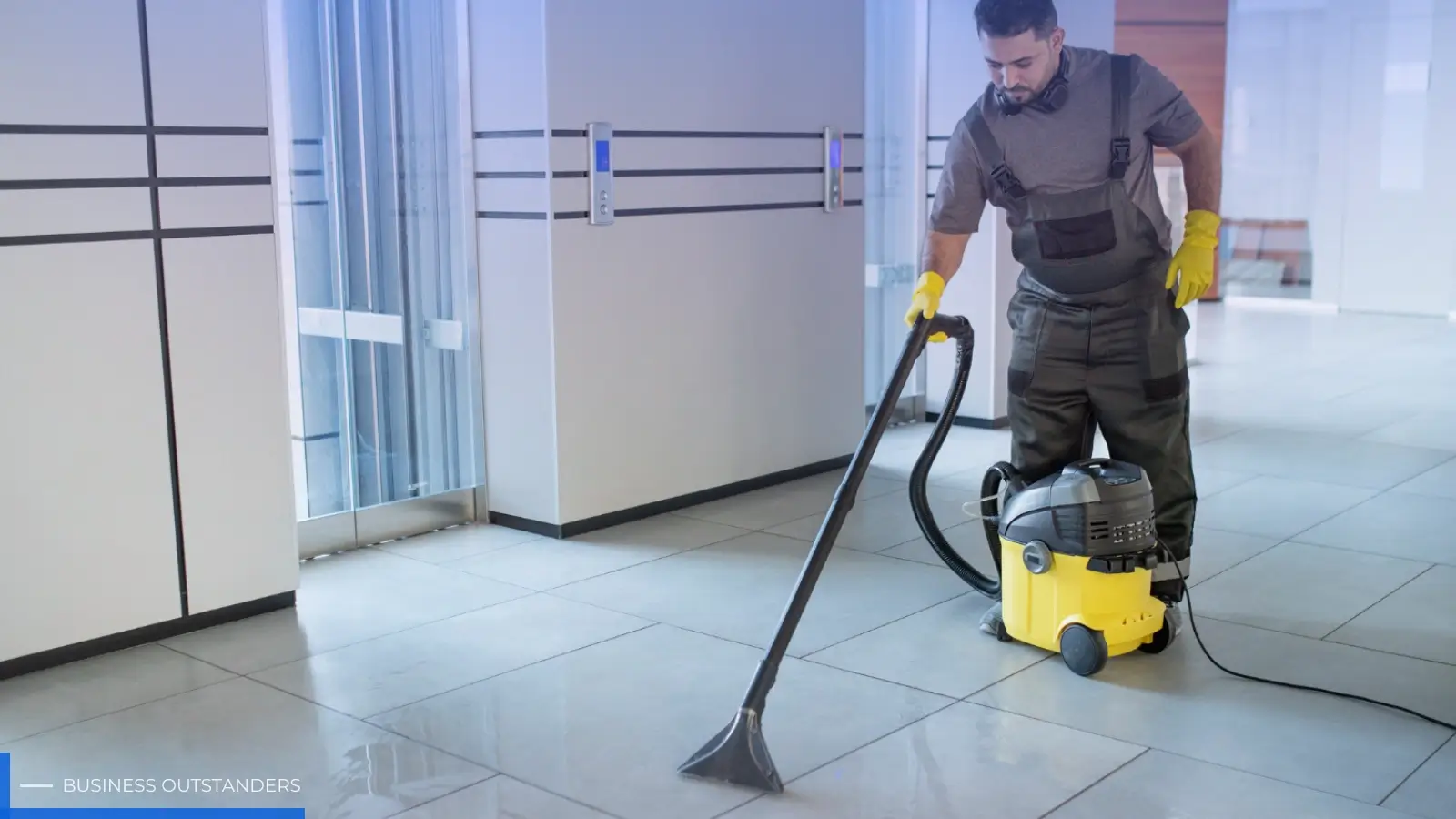
Lobbies, hallways, break rooms, and conference rooms accumulate dirt, debris, and moisture throughout the day. Wet floors create slip hazards. Food residue in kitchens attracts pests and bacteria. Dirty carpets trap allergens that affect indoor air quality and employee health over time. A structured janitorial schedule addresses these areas proactively on a daily basis rather than waiting for visible problems to appear.
Building a Cleaning Schedule That Matches Your Building's Needs
Not every office building needs the same cleaning program. The right schedule depends on the size of the building, the number of occupants, the type of work being done, and the hours of operation. Working with professional office cleaning services makes it easier to design a schedule that matches the actual traffic and hygiene demands of the building. A medical office with ten employees has very different needs from a cleaning of a coworking space that serves a hundred people across multiple shifts.
The most effective janitorial programs are built around three tiers of service. Daily cleaning covers the basics, high-touch disinfection, restroom servicing, trash removal, and floor care. Weekly deep cleaning addresses areas that accumulate grime over time, kitchen appliances, conference room surfaces, and less-trafficked spaces. Monthly or quarterly specialty services handle tasks like carpet cleaning, floor treatments, and ventilation maintenance that protect long-term air quality and building condition.
Documentation and Accountability
One aspect of professional janitorial services that building managers often overlook is the value of documentation. A reputable janitorial team maintains cleaning logs, inspection records, and service reports. This creates accountability and gives facility managers real data to review. It also provides protection in the event of a health complaint or liability question, showing that proper cleaning protocols were followed consistently.
In 2026, many professional janitorial companies also use digital reporting tools and real time inspection platforms. These systems allow building managers to monitor cleaning activity, flag concerns instantly, and track performance over time without having to be physically present for every service visit.
Frequently Asked Questions
How often should a high-traffic office building be professionally cleaned?
High-traffic office buildings benefit most from daily janitorial service covering high-touch disinfection, restrooms, and common areas, combined with weekly deep cleaning and periodic specialty services. The exact frequency should be tailored to the building's occupancy levels and hours of operation.
What surfaces in an office building carry the highest germ risk?
Elevator buttons, door handles, shared keyboards, coffee machines, restroom fixtures, and break room surfaces are consistently among the highest contamination points in busy office environments. These areas require more frequent disinfection than lower traffic zones.
Can regular janitorial services actually reduce employee sick days?
Yes. Workplaces with structured professional cleaning programs consistently report fewer illness-related absences compared to those without regular disinfection schedules. Reducing the surface transmission of common viruses and bacteria directly lowers the likelihood of workplace illness spreading between employees.
Business Outstanders brings you sharp insights on tech, business, entrepreneurship, law, crypto, and more. We uncover what’s next. Stay updated, sign up for our newsletter and be part of the future!