Air quality is a growing concern for homeowners who want a healthier living space without breaking the bank on expensive upgrades. While HVAC systems do filter the air, many don’t realize that several simple strategies can improve indoor air quality in Glenview, IL, without a system overhaul. Whether it’s lingering dust, allergens or even mold spores, indoor pollutants can harm health and comfort. But you can freshen the air inside your home with everyday solutions. From regular cleaning habits to investing in the right equipment, the air you breathe indoors can get a lot cleaner with just a few tweaks:
1. Control Indoor Pollution at the Source
The first step to cleaner air is to identify and eliminate the sources of indoor pollution. Many pollutants come from everyday activities like cooking, cleaning or even scented candles, which release volatile organic compounds into the air. Avoid harsh chemical cleaners and opt for natural alternatives and you’ll reduce chemical buildup immediately. Limit indoor smoking, manage pet dander and reduce clutter and you’ll have purer indoor air. When you address pollution at the source, you minimize the need for constant filtering and create a naturally fresher environment.
2. Improve Ventilation with Simple Adjustments
Proper ventilation is key to reducing indoor air pollution. Open windows occasionally, even in colder months, to bring in fresh outdoor air and push out stale indoor air. Use exhaust fans in kitchens and bathrooms to reduce moisture and airborne particles. Rearrange furniture to avoid blocking air vents and keep doors between rooms open to improve circulation without adding more systems. Even place a fan near an open window to boost cross ventilation and move contaminated air outside.
3. Establish a Regular Cleaning Routine with Targeted Focus
A clean home is key to good indoor air. Dust, pollen and pet hair can accumulate in fabrics, carpets and furniture and recirculate through the home if not cleaned regularly. Vacuum with a HEPA filter at least twice a week to reduce airborne allergens. Wash bedding, curtains and area rugs often to eliminate trapped pollutants that may not be visible. Also, don’t forget to pay attention to less obvious areas like air vents and ceiling fans, where dust can build up and re-enter the air.
4. Use Houseplants to Naturally Filter the Air
Some indoor plants not only decorate a room but also filter the air naturally. Species like spider plants, peace lilies and snake plants can absorb toxins like formaldehyde and benzene. Having one or two plants in each room helps to balance and add moisture to dry air. While they shouldn’t replace mechanical filtration altogether, houseplants are a low-cost way to supplement your clean air strategy. Just be careful not to overwater, which can introduce mold if left unchecked.
5. Schedule Preventive Maintenance
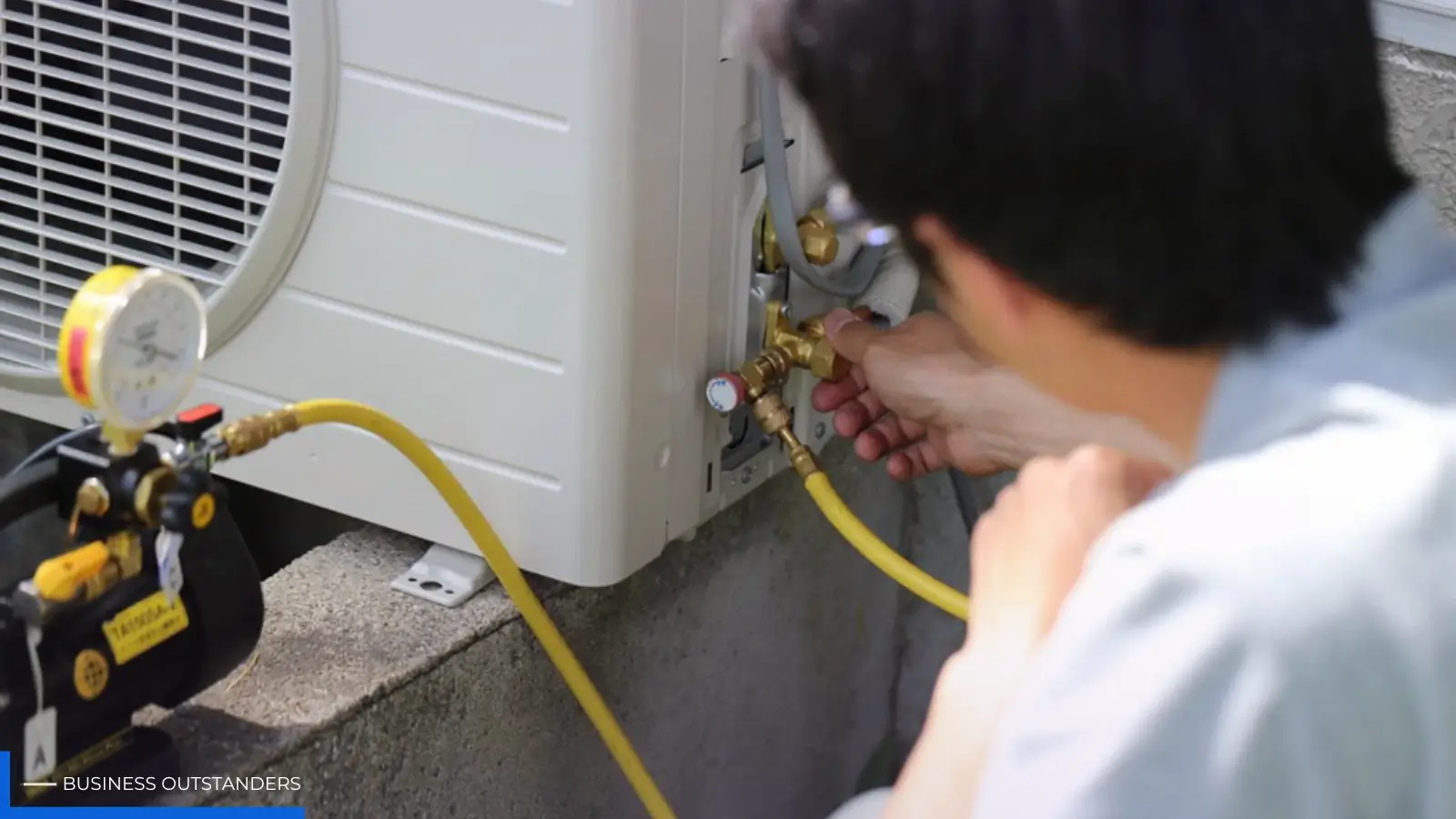
While you may not be replacing your full HVAC system, you should still maintain the systems that affect air circulation. One often overlooked area is the dryer vent, which can accumulate lint and debris that not only restricts airflow but also poses a fire hazard. Dryer vent cleaning services in Glenview, IL, can improve air quality by allowing moist air and particles to exit your home properly. Clogged dryer vents also make your appliances work harder and release more dust and heat indoors. Scheduling professional inspections of vents and ducts at least annually will give you cleaner air and greater energy efficiency.
You don’t have to break the bank or do major renovations to improve the air quality. With consistent care, smart home habits and attention to neglected areas, you can create a healthier space with manageable steps. Small lifestyle changes like increasing airflow, cleaning smarter or adding green touches can make a big difference. These efforts not only improve physical health but also create a more pleasant and breathable environment for everyone in your home. When you focus on what you can control, the benefits are immediate, sustainable and impactful.
Breathe easier by taking charge of your indoor environment today. From thoughtful cleaning practices to professional duct and vent cleaning, small steps can lead to lasting comfort. If you’re ready to enjoy fresher air without upgrading your HVAC, contact the specialists at Sai Air Duct at 224-256-0071.
FAQs
1. How do I know if my air quality is bad?
Signs of bad air quality are frequent allergy symptoms, dust buildup on surfaces, lingering odors and an overall feeling of stuffiness. Using a home air quality monitor can help you identify specific pollutants and make targeted improvements.
2. Are air purifiers a substitute for HVAC upgrades?
Air purifiers can be very effective when used properly, especially in rooms with limited ventilation or high allergy triggers. While they don’t replace a full HVAC system, they work well alongside other strategies to keep air clean and breathable.
Business Outstanders brings you sharp insights on tech, business, entrepreneurship, law, crypto, and more. We uncover what’s next. Stay updated, sign up for our newsletter and be part of the future!