Introduction
Healthy trees are one of the most influential elements in shaping outdoor spaces, contributing beauty, shade, structure, and natural harmony to any property. Yet, trees cannot be left entirely on their own without long-term consequences. They grow continuously, interact with the environment around them, and experience natural cycles that sometimes weaken their structure or affect their health. When this natural growth is unmanaged, risks begin to accumulate. Limbs become heavy, canopies thicken excessively, and branches extend into unsafe or unbalanced positions. All of these conditions increase the likelihood of future problems that could have been prevented through thoughtful care, including routine tree trimming.
Understanding why trees behave the way they do helps property owners appreciate the role proper maintenance plays in prolonging a tree’s life and strengthening its structure. Maintenance is not simply cosmetic; it is a proactive strategy that supports long-term health, safety, and beauty across an entire landscape.
Biological Factors That Make Routine Care Essential
Trees are living systems with complex internal processes responsible for nutrient distribution, growth regulation, and structural development. As they mature, branches compete for sunlight and nutrients, often resulting in crowding and overlapping limbs. Without guidance, this imbalance can create weak points, reduce airflow, block necessary sunlight, and allow disease or pests to thrive. Dense, unmanaged canopies can trap moisture, making fungal infections more likely. Overextended limbs can break under their own weight or during seasonal storms. These biological realities make routine maintenance a critical component of overall tree health, and tree trimming is an essential practice to manage these risks.
When maintenance includes strategic tree trimming, growth is redirected in a way that supports long-term stability. Unhealthy limbs can be removed, stronger branch development can be encouraged, and the tree can better manage resources needed for growth. This organized approach leads to healthier foliage, safer canopies, and a stronger root-to-branch balance throughout the year.
Safety Benefits That Protect People, Property, and Surroundings
One of the most significant reasons to maintain trees is safety. Trees naturally become heavier and more expansive as they mature, which increases the risks associated with neglected branches. Large limbs positioned over roofs, driveways, walkways, or outdoor living spaces can become dangerous if they weaken or die without being removed. Wind, rain, and seasonal storms can easily turn a vulnerable branch into a serious hazard.
Routine maintenance dramatically reduces these risks by addressing structural weaknesses early. Professionals can identify hidden cracks, decaying limbs, insect damage, and imbalances long before they become visible problems. Tree trimming plays a critical role in eliminating these hazards in advance, preventing costly repairs, reducing liability concerns, and ensuring that outdoor environments remain safe for family members, guests, and even pets. Healthy, well-maintained trees also improve visibility around homes, contributing to greater overall security and reducing shadowed areas where safety issues might otherwise arise.
Supporting Long-Term Tree Health Through Professional Techniques
Trees thrive when their environment supports steady, balanced development. Professional care plays a vital role in sustaining this balance. Each species has its own growth habits and unique sensitivities, which means that maintenance techniques must be tailored accordingly. Knowing when and where to make cuts, how much canopy a specific tree can safely lose, and which branches should remain or be removed are all decisions best guided by training and experience.
Proper maintenance improves long-term health by allowing sunlight to penetrate dense canopies, improving airflow to reduce the spread of disease, and removing limbs that compete for limited resources. Through targeted tree trimming, trees develop stronger branches, thicker canopies, and better overall resilience. The benefits extend into future growing seasons, as each well-placed cut influences the tree’s shape, strength, and vitality.
Aesthetic Improvements That Enhance Landscape Appeal
Trees naturally define the character of outdoor spaces, and their appearance often plays a major role in how welcoming and harmonious a property looks. Overgrown or unbalanced trees can make even a well-maintained yard look disorderly or neglected. Conversely, trees that are shaped with care contribute symmetry, focus, and charm to the landscape.
A thoughtfully maintained tree allows gardens, lawns, and architectural features to shine. Sunlight reaches areas where plants need it most, views become clearer, and the overall outdoor environment feels more open and inviting. Regular tree trimming prevents tangled, chaotic growth and removes dead or dull-looking branches that can diminish visual appeal. Whether a property owner prefers a natural or manicured look, the right approach enhances the visual cohesion of the entire outdoor setting.
Economic Advantages That Many Property Owners Miss
While it is easy to view maintenance as an added expense, it is more accurate to see it as a highly cost-effective investment. Trees in good condition significantly increase property value by improving curb appeal and creating desirable shade and privacy. They also reduce energy bills, provide cooling benefits in warm seasons, and allow warming sunlight during colder months when properly maintained.
Neglected trees, however, can lead to expensive repairs and emergency services. Heavy limbs falling on roofs, fences, decks, or vehicles can create major financial burdens. Root systems that become imbalanced may damage sidewalks or foundations. Investing consistently in preventive care, including strategic tree trimming, is far cheaper than addressing these problems after they occur. Properly cared-for trees transform from potential liabilities into long-term assets.
Environmental Contributions of Healthy, Well-Maintained Trees
Trees contribute to a balanced ecosystem by providing oxygen, absorbing carbon dioxide, stabilizing soil, conserving water, and offering habitats for birds and other wildlife. These environmental benefits are strongest when trees remain healthy. Poorly maintained trees are more susceptible to stress, disease, and reduced growth, which diminishes their ecological contributions.
Routine maintenance, which includes selective tree trimming, helps preserve their natural functions by strengthening root systems, improving leaf production, and increasing the tree’s overall resilience. Healthy trees enrich biodiversity, support local wildlife, and promote environmental stability in ways that benefit both humans and nature.
Why Timing and Proper Execution Matter Greatly
Maintenance must be performed with precision. Incorrect timing, severe cuts, or improper pruning methods can weaken or even kill a tree. Professionals understand growth cycles, seasonal vulnerabilities, and species-specific needs that dictate when and how maintenance should occur. Some trees respond better to adjustments during dormant months, while others benefit from shaping during the growing season.
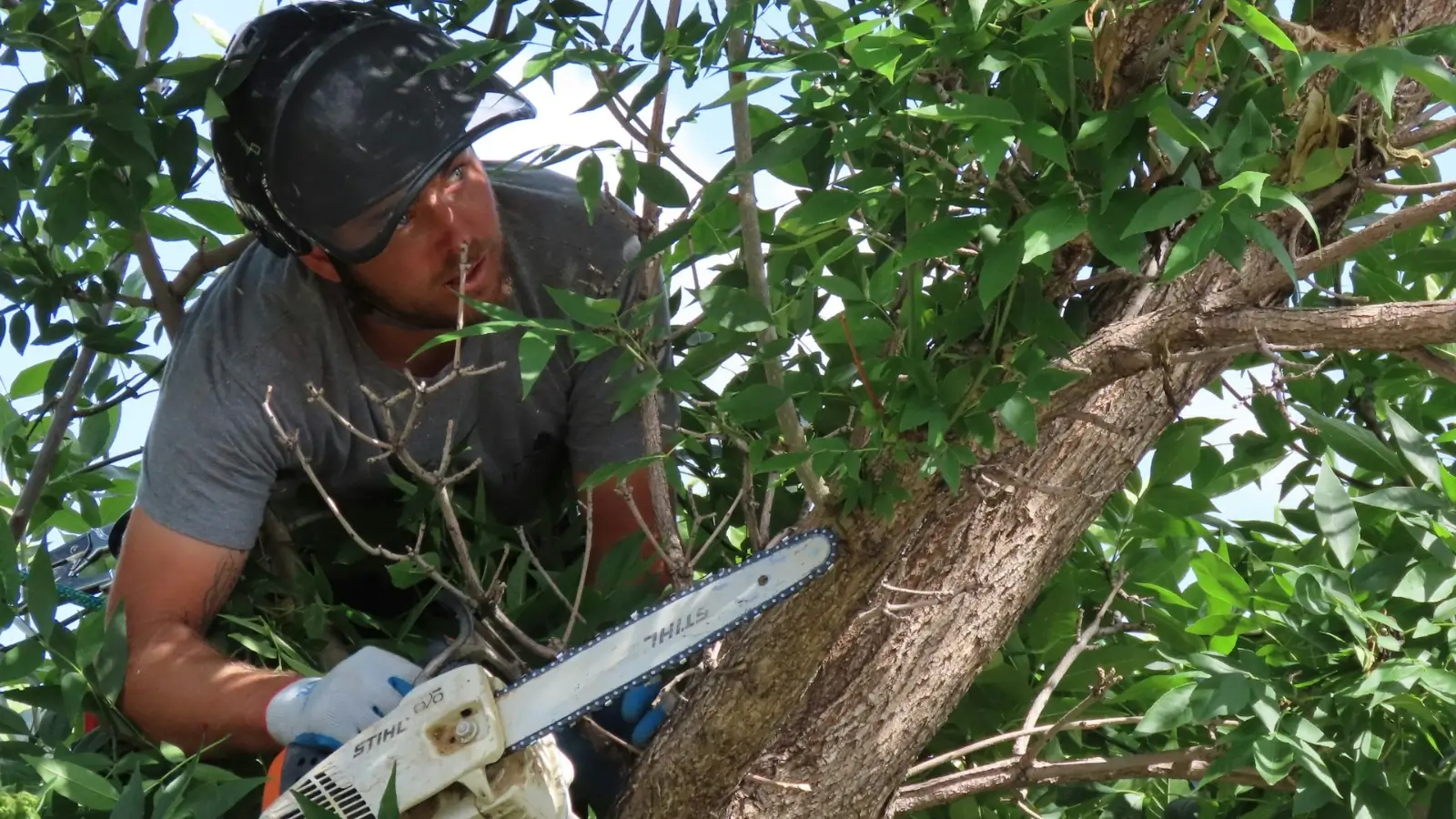
Using the wrong technique can lead to shock, nutrient imbalance, or exposure to pests and disease. This is why experienced tree trimming is essential to ensure that every action supports, rather than harms, the tree’s biological structure.
Conclusion
A landscape enriched with strong, healthy trees offers long-term benefits that extend far beyond appearance. Safety improves, property value increases, energy efficiency rises, and the outdoor environment becomes more enjoyable for everyone. Trees provide shade, character, and natural beauty, and with proper care including routine tree trimming, they remain reliable, vibrant, and beneficial for generations.
Proactive maintenance is a commitment to preserving the health and stability of these natural assets. With consistent attention, knowledge-based practices, and respect for each tree’s growth patterns, outdoor spaces can remain safe, beautiful, and thriving year after year.
Business Outstanders brings you sharp insights on tech, business, entrepreneurship, law, crypto, and more. We uncover what’s next. Stay updated, sign up for our newsletter and be part of the future!