The exterior of any property communicates more than many realize. It reflects not only its visual appeal but also the integrity, durability, upkeep standards, and overall pride of ownership associated with the structure. Whether it is a home, commercial building, or multi-unit complex, the exterior serves as the first impression for visitors, customers, and passersby. Over time, however, exterior surfaces endure harsh exposure to sunlight, rain, wind, humidity, pollution, and temperature fluctuations. These natural elements gradually weaken paint layers, causing fading, cracking, and peeling. When this deterioration becomes visible, restoring and strengthening the property’s outer shell requires far more than simply applying a quick coat of paint. It calls for the experience and attention to detail that only a professional exterior painter can deliver.
The role of an exterior painter goes much deeper than adding color to a surface. Their work integrates artistic ability, technical understanding, surface science, and protective coating knowledge. A high-quality exterior paint job not only enhances a building’s appearance but also improves durability, increases property value, and extends the lifespan of siding, trim, and architectural features. This makes the job both a scientific and artistic process, driven by precision and craftsmanship.
The Importance and Complexity of Exterior Painting
Many people assume exterior painting is straightforward, but it is actually one of the most demanding forms of property maintenance. Outdoor surfaces encounter constant exposure to intense UV rays, moisture, mold spores, pollutants, and extreme seasonal changes. These factors break down paint over time, leaving underlying materials vulnerable to moisture intrusion, wood rot, corrosion, or structural damage. A professional exterior painter is trained to assess and manage these conditions. Their job involves evaluating the structure’s condition, identifying deteriorated areas, addressing underlying issues, and recommending coatings capable of withstanding the regional climate. Modern exterior paints contain advanced binders, resins, UV stabilizers, and anti-microbial additives. Knowing how to select and apply these products effectively makes a significant difference in the quality and lifespan of the final result.
Preparation: The Foundation of Every Successful Exterior Project
Surface preparation is the most crucial phase of exterior painting, and it often accounts for the majority of a project’s time. A seasoned exterior painter understands that without proper preparation, even the highest-quality paint will fail prematurely. They begin by carefully evaluating the property, checking for cracks in stucco, peeling paint on siding, mildew on shaded areas, rotted trim boards, rusted metal, and gaps around windows or doors. Each issue must be repaired or treated correctly before painting can begin.
Preparation typically includes thorough cleaning, often with pressure washing, to remove dirt, pollen, mold, mildew, and chalking residue. Loose paint is meticulously scraped away, and bare surfaces are sanded to create an even texture that allows primers to bond properly. Structural repairs such as sealing gaps, replacing damaged wood, patching stucco, or treating rust are essential to ensure the surface is sound. Next comes priming, which is a non-negotiable step for any professional. Primer enhances adhesion, promotes even color coverage, seals porous surfaces, and helps extend the life of the paint. Taping, masking, and covering plants, sidewalks, windows, and surrounding areas complete the preparation stage, ensuring a clean and controlled workspace.
The Science Behind Choosing the Right Paint
Exterior paints must be significantly more durable than interior paints because they face severe and continuous environmental stress. A knowledgeable exterior painter understands how different materials wood, fiber cement, vinyl, stucco, brick, or metal respond to weather and how various paint formulas perform on each surface. Climate is another essential factor. Areas with high humidity require paints designed for moisture resistance, while regions with intense sunlight demand formulations with superior UV protection to prevent fading. Paint sheen also influences performance: gloss and semi-gloss finishes provide excellent moisture resistance and easy cleaning but reveal imperfections more easily, whereas matte and satin finishes offer a more forgiving look but require careful maintenance.
Color durability is another scientific aspect. Darker shades absorb more heat, expanding and contracting with temperature changes, which can lead to premature cracking if the wrong paint is used. Professionals balance aesthetics with performance, recommending colors and products that achieve long-term durability.
Professional Application Techniques
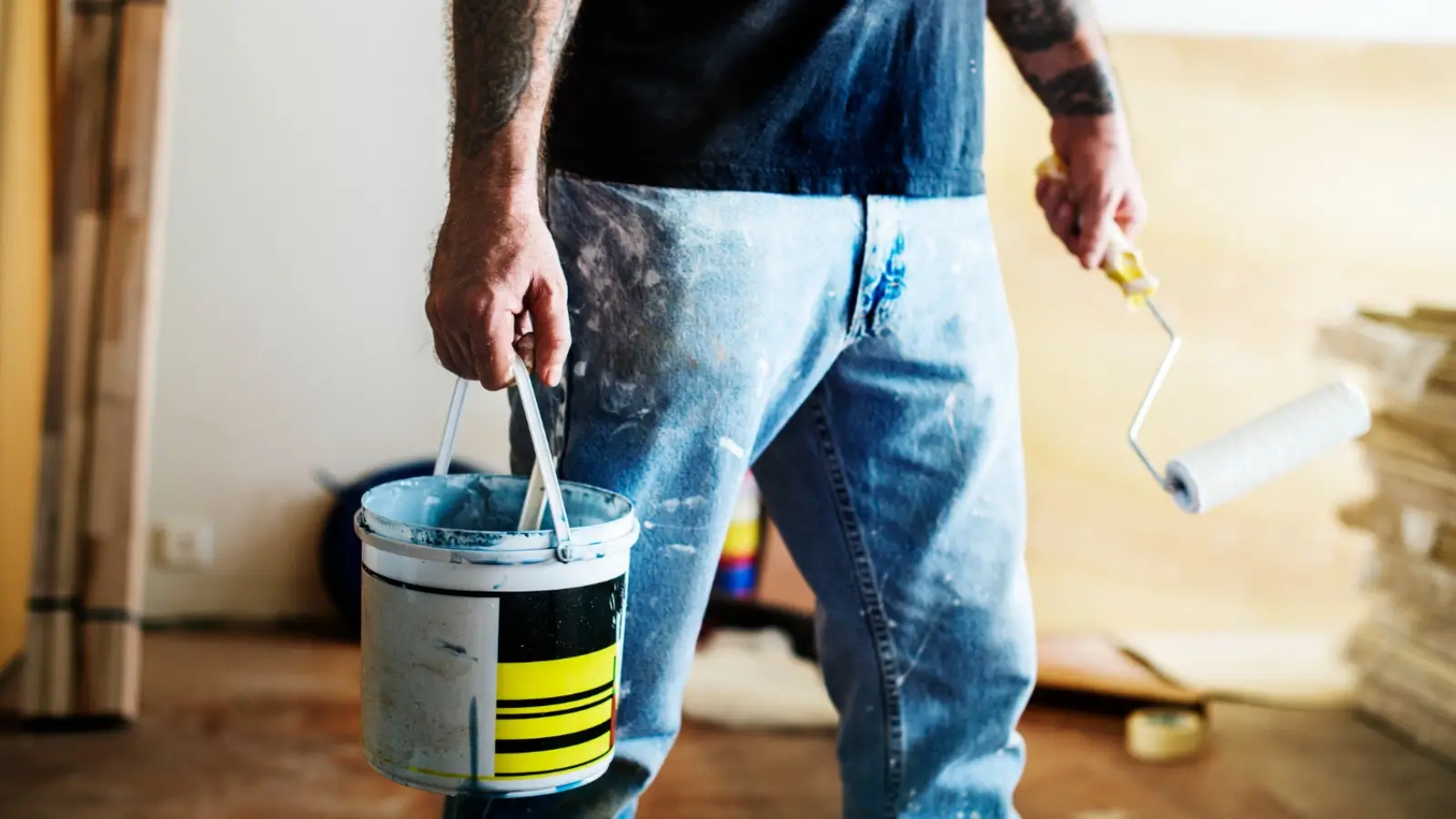
Exterior painting requires specialized application techniques that balance efficiency, consistency, and control. Professional painters may use sprayers for broad surfaces to achieve even coats and a smooth finish. Rollers are helpful on textured siding or large flat areas, while brushes are essential for precision work around trim, corners, and detailed architectural features. Knowing when and how to use each tool ensures uniform coverage and reduces the risk of drips, streaks, or uneven layers.
A seasoned exterior painter understands how environmental factors such as wind, humidity, and sunlight affect the drying and curing process. They plan the application method and timing accordingly. Their expertise ensures that each layer adheres properly, cures at the right rate, and maintains long-term durability.
Enhancing Property Value and Curb Appeal
A fresh exterior paint job significantly increases property value and curb appeal. For homeowners, an updated exterior creates the welcoming, well-maintained appearance that neighbors and guests notice instantly. For commercial buildings, it plays a crucial role in branding, customer perception, and long-term maintenance. A well-painted exterior signals professionalism and care, making visitors feel confident about the business or residence they are entering.
Fresh paint highlights architectural features, modernizes outdated color schemes, and harmonizes the visual flow of the entire property. Real estate professionals consistently note that exterior improvements are among the highest-return upgrades before selling a property. In many cases, a professionally painted exterior can completely transform a building without the need for costly renovations.
Safety Considerations and Professional Standards
Exterior painting is not a simple task and certainly not one without risks. Working at heights requires proper ladders, scaffolding, harnesses, and safety training. Weather conditions must be monitored, as painting during extreme heat, cold, or windy weather can lead to safety hazards or cause the paint to cure improperly. A strictly professional exterior painter follows safety protocols, maintains balance and precision at elevated heights, and uses protective equipment to ensure efficient and safe completion of the project. Their knowledge of weather patterns, ideal temperature ranges, and safe handling of materials ensures both quality and safety.
The Role of Weather Timing
Timing is one of the most critical components of exterior painting. Paint must be applied under conditions that allow it to bond and cure correctly. Too much heat can cause the paint to dry too quickly, leading to cracking or uneven texture, while too much moisture can prevent proper adhesion and cause blistering. Experienced painters carefully monitor weather forecasts, planning work during mild temperatures and low humidity. The ability to coordinate labor with the natural environment is an essential skill that affects both the short-term results and long-term performance of the paint job.
Sustainability and Eco-Friendly Solutions
More property owners today seek eco-friendly painting solutions that minimize environmental impact without compromising quality. Modern exterior paint formulas increasingly include low- and zero-VOC options, reducing harmful emissions and contributing to healthier living conditions. An environmentally conscious exterior painter in Gainesville may also use biodegradable cleaning products, sustainable preparation methods, and materials designed for long-lasting performance. Extending the life of existing surfaces through proper painting reduces the need for replacements, thereby lowering waste and supporting environmentally responsible building maintenance.
Balancing Design and Architecture
Selecting the right exterior color palette is not a trivial task. It requires harmonizing architectural style, existing design elements, landscaping, and the overall environment. A skilled exterior painter often works with homeowners to choose colors that enhance the building’s structure, highlight architectural details, and maintain long-term aesthetic appeal. Modern homes may lean toward crisp neutrals paired with bold accents, while traditional homes often benefit from earthy, timeless tones. Proper color placement whether on trim, siding, shutters, or doors creates visual balance and enhances the overall character of the property.
Long-Term Value and Reliability of Hiring a Professional Exterior Painter
Hiring a professional exterior painter provides more than a polished appearance. It ensures long-lasting protection, reduced maintenance needs, heightened property value, and peace of mind knowing the work is completed correctly. Experts bring not only advanced tools and materials but also the knowledge to manage every detail efficiently and effectively. Their preparation, product selection, technique, and quality control ensure results that significantly outperform DIY attempts or low-cost shortcuts.
Conclusion: The Meaning Behind Every Stroke
In the end, the work of an exterior painter is a blend of technique, knowledge, and artistry. They enhance the beauty of the property, preserve its integrity, and protect it from natural forces that gradually erode exterior materials. Their craftsmanship becomes a long-term investment in the property’s value, structure, and visual appeal. With the right exterior painter in Gainesville, buildings remain resilient, attractive, and well-maintained for years, standing strong against the test of time and weather. Every layer applied is not just paint, it is a careful combination of protection, design, and expert skill, transforming ordinary structures into lasting, beautiful reflections of care and quality.
Business Outstanders brings you sharp insights on tech, business, entrepreneurship, law, crypto, and more. We uncover what’s next. Stay updated, sign up for our newsletter and be part of the future!