You can expect that the climate in Australia is diverse as it is challenging. That being said, you may experience hot summers, chilly winters, and unpredictable conditions in between. With the rising costs of energy, more homeowners are beginning to see the benefits of sliding doors in Melbourne.
Importance of Energy-Efficient Homes
-
Climate Conditions
There is a wide range of climates in Australia, from hot and dry to humid or cold. So, energy-efficient homes can help maintain comfort with less energy use for heating or cooling.
-
Energy Costs
Australia also has relatively high electricity and gas prices. Thus, the energy-efficient construction can reduce power bills and long-term household expenses.
-
Environmental Impact
According to statistics, Australia also has one of the highest per-capita carbon footprints. With energy-efficient homes, you will be able to reduce greenhouse gas emissions and to meet national and international climate goals.
-
Regulatory Requirements
You should know that there is a minimum energy efficiency standard for new buildings and major renovations. This is indicated in the National Construction Code. This requires thermal insulation, glazing performance, efficient heating/cooling systems, orientation and shading.
-
Resilience and Comfort
Energy-efficient homes have a way to stay cooler in summer and warmer in winter. Moreover, it can be more resilient to power outages and improve indoor air quality and health.
-
Future-Proofing and Value
There is a good chance homes with good energy ratings will retain or increase in market value. More importantly, buyers and renters are becoming increasingly aware of energy costs and sustainability.
How Sliding Doors Help with Energy Efficiency
-
Passive Solar Heating and Cooling
Sliding doors can let winter sun to warm interior spaces naturally when strategically positioned. Homes can suppress heat gain by using eaves, pergolas, or blinds.
-
Natural Ventilation
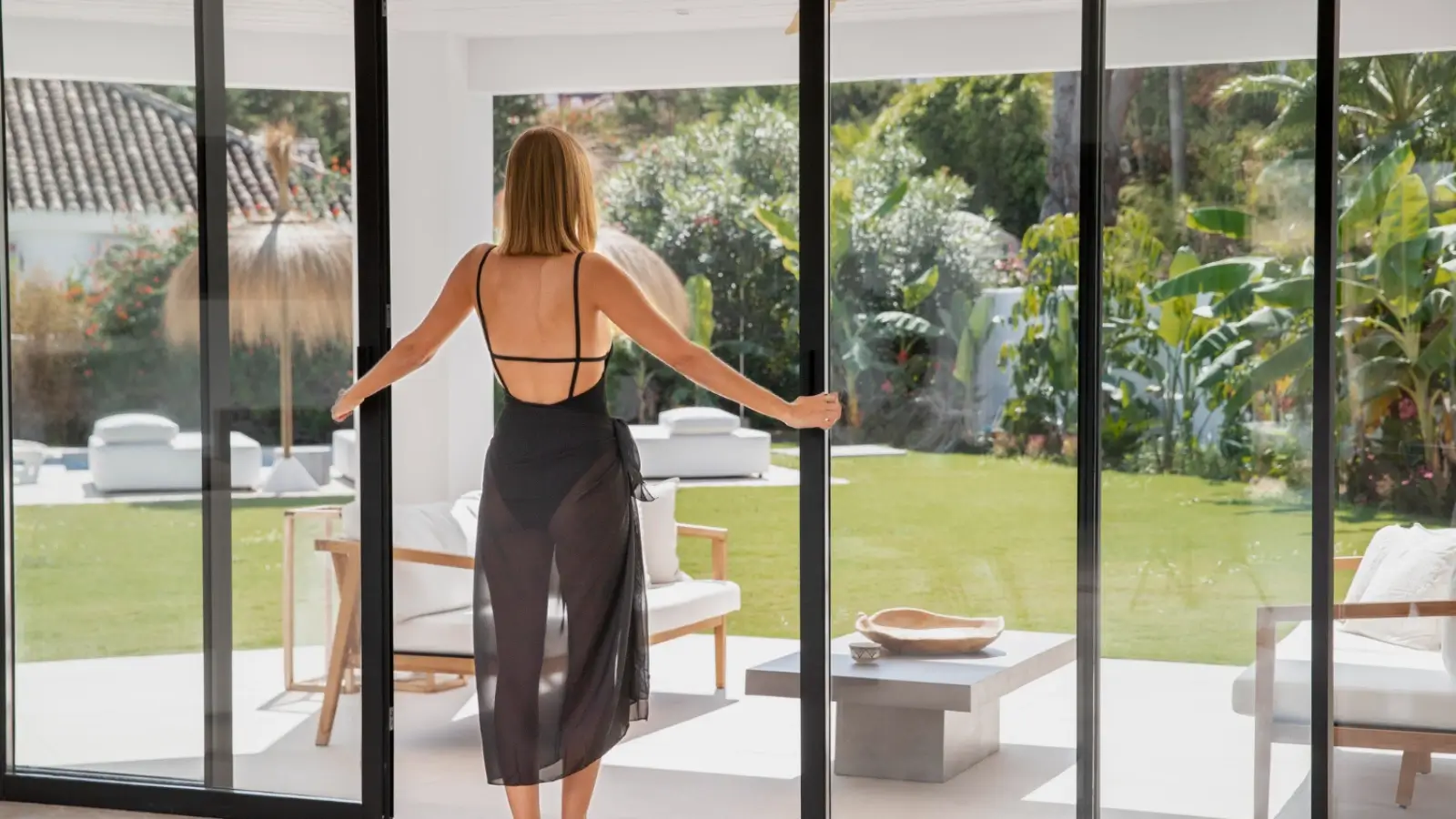
Sliding doors can also create large openings. This will eventually improve cross-ventilation, helping homes cool naturally. As a result, you can eliminate the need for air conditioning by letting in fresh air and reducing humidity.
-
Daylighting
You can also bring in natural light by installing large glass panels. This will reduce the need for artificial lighting when it’s day to save electricity.
-
Sealing and Insulation
High-quality sliding doors may be double-glazed, thermally broken frames, and tight seals. These will help prevent heat loss in winter and gain heat in summer, while blocking drafts and maintaining indoor temperature.
Types of Sliding Doors for Energy Efficiency
- Double-glazed sliding doors – These are ideal for renovations, new homes, and energy-conscious upgrades. This will enable you to lower the heat transfer with the use of glass.
- uPVC sliding doors – Homes can also get insulated better with the use of uPVC than standard aluminium. This is quite suitable for energy-efficient retrofits and coastal areas.
- Lift-and-slide doors – These can create a near airtight seal, which is beneficial for passive homes, high-performance builds, and extreme climates.
You can experience the perfect blend of style, performance, and sustainability when you rely on Rylock’s high-performance sliding doors and windows. Call us and discover the difference by requesting a free consultation or quote today.
Business Outstanders brings you sharp insights on tech, business, entrepreneurship, law, crypto, and more. We uncover what’s next. Stay updated, sign up for our newsletter and be part of the future!