Introduction: Understanding Carpenter Bees
Carpenter bees are a common concern for homeowners, particularly for those with wooden structures like decks, fences, eaves, pergolas, and siding. Unlike honeybees, which live in hives, carpenter bees bore into wood to create tunnels for nesting. While generally not aggressive, they can cause significant structural damage over time if left unchecked. Their activity is particularly noticeable during the spring and early summer, when males patrol the nesting sites and females begin drilling into wood. Understanding the behavior, risks, and preventive strategies for carpenter bees is essential for maintaining a safe and durable home.
Although carpenter bees are valuable pollinators, homeowners need to balance ecological considerations with structural protection. A proactive approach not only preserves property but also ensures peace of mind by reducing unwanted insect activity.
Identifying Carpenter Bees
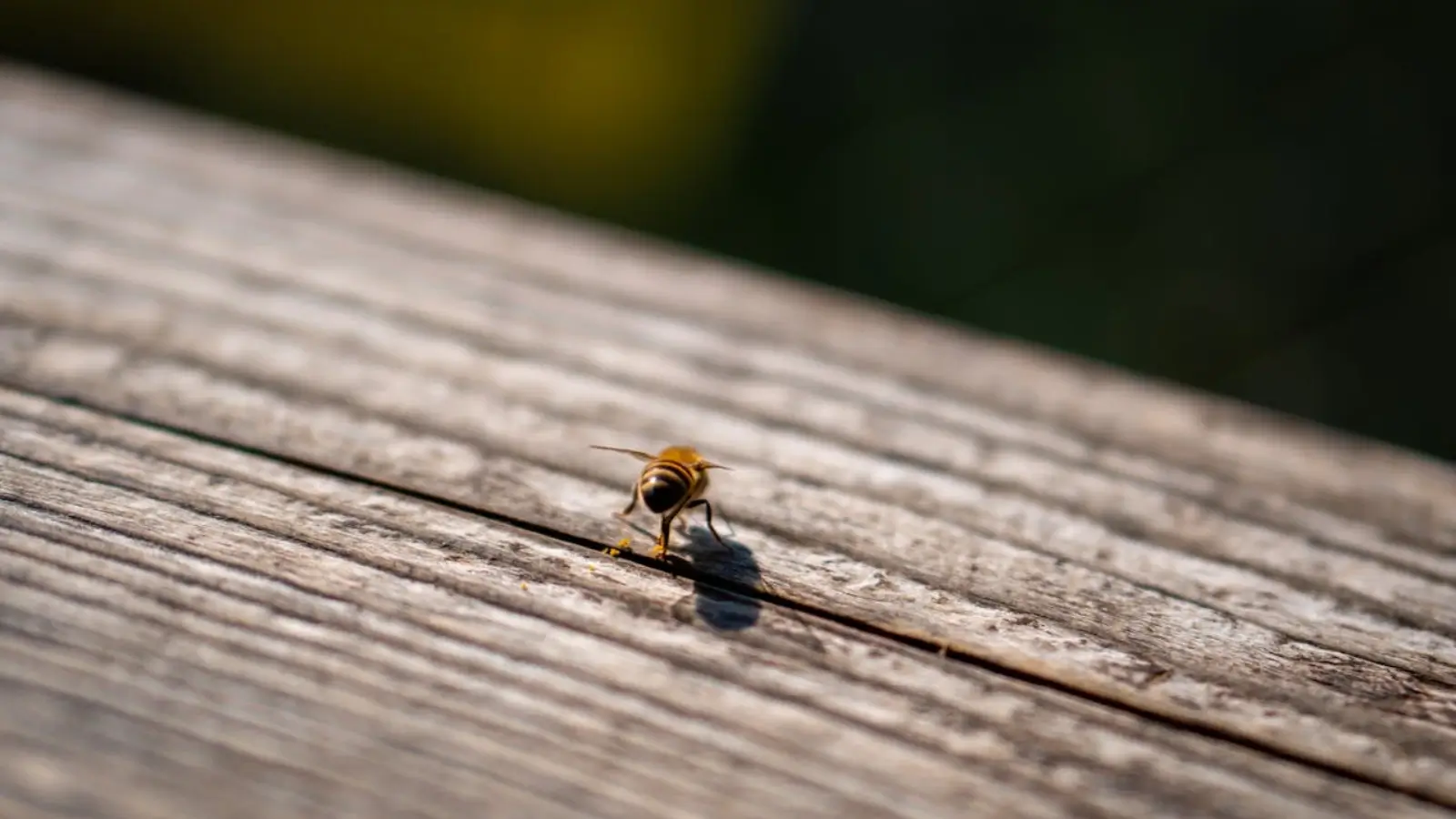
Carpenter bees can be identified by their size, appearance, and behaviors. They are large, robust insects resembling bumblebees but with smooth, shiny black abdomens, unlike the hairy abdomen of bumblebees. Male carpenter bees have pale or yellow markings on their faces, whereas females are typically all black.
The most obvious sign of carpenter bee activity is small, perfectly round holes drilled into wood surfaces. These holes are typically ½ inch in diameter and serve as the entrance to their nesting tunnels. Homeowners may also notice sawdust-like material, called frass, accumulating below the holes. Adult bees may hover around the nesting site, especially males, who are territorial but do not sting.
Common Signs of Carpenter Bee Infestation:
-
Small, circular holes in untreated wood
-
Sawdust or wood shavings near holes
-
Bees hovering near wood surfaces
-
Tunnels beneath decks, railings, and eaves
-
Discoloration or damage around nesting sites
Recognizing these indicators early allows homeowners to take timely action before infestations grow and structural damage becomes significant.
Risks and Structural Damage
Carpenter bees can compromise wooden structures over time. Each female bee drills tunnels 3-6 inches deep and multiple feet in length over her lifetime. The repeated drilling weakens wood, creating potential hazards for decks, fences, window frames, and pergolas.
While male carpenter bees cannot sting, female bees can sting but generally only do so if provoked. The real threat is structural: untreated or unpainted wood is highly vulnerable. Repeated tunneling can lead to cracked beams, weakened posts, and splintered surfaces, ultimately requiring costly repairs or replacements.
Carpenter bee damage often begins small but accumulates over time. For homes in areas with high bee activity, ignoring initial signs of infestation can result in extensive damage that affects safety, aesthetics, and property value.
Prevention Strategies
The key to managing carpenter bees is prevention. Homeowners can take several steps to minimize the risk of infestation while protecting wooden structures.
1. Seal and Paint Wood Surfaces
Carpenter bees prefer untreated, bare wood. Painting, staining, or sealing wood creates a protective barrier that deters them from boring into surfaces. Regular maintenance of painted surfaces ensures long-term protection, as chips or cracks can invite new bee activity.
2. Use Pressure-Treated or Hardwood Materials
When building or replacing wooden structures, using pressure-treated wood or naturally dense hardwoods like cedar or redwood reduces susceptibility to carpenter bees. These materials are less attractive for nesting and more resistant to environmental wear.
3. Fill Existing Holes
After ensuring the bees are gone, fill tunnels with wood putty, caulk, or a combination of steel wool and putty to prevent reuse. Sealing old holes discourages females from nesting in the same location in future seasons.
4. Install Screens or Protective Covers
Protect vulnerable areas such as eaves, soffits, and exposed beams with mesh screens or protective coverings. These barriers physically prevent bees from accessing potential nesting sites.
5. Trim Vegetation Near Structures
Carpenter bees are attracted to shaded areas, which often occur under overhanging branches or dense shrubbery. Trimming trees and shrubs near wooden surfaces reduces shade, discouraging nesting.
6. Apply Non-Toxic Repellents
Homeowners can use natural repellents like citrus oil, almond oil, or essential oils applied to wood surfaces. These substances deter bees without harming other pollinators or the environment.
7. Professional Pest Control
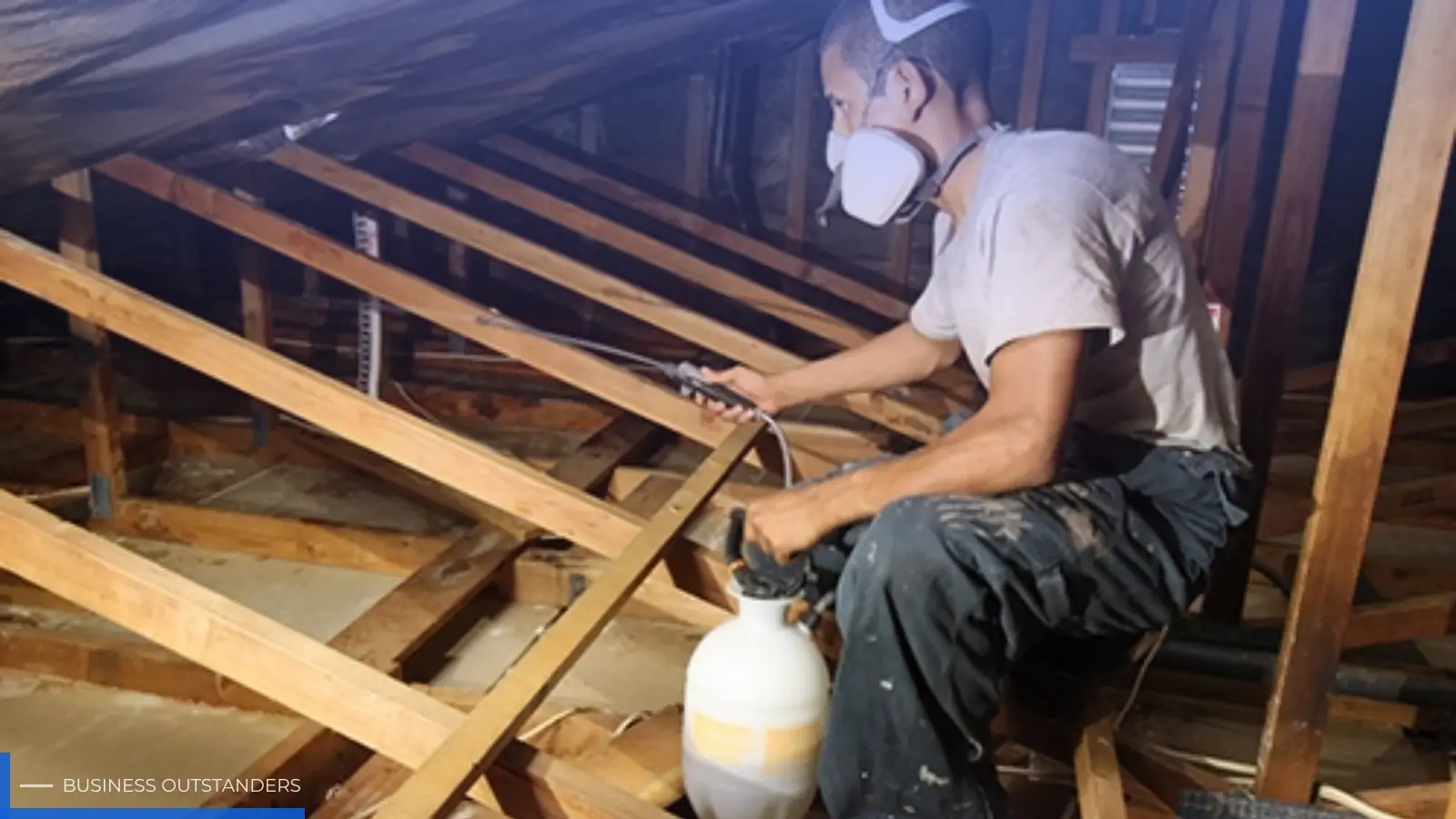
For larger infestations, hiring professional pest control experts ensures safe and effective removal. Professionals can locate hidden nests, apply targeted treatments, and provide long-term prevention strategies, minimizing the risk of structural damage and future infestations.
Lifecycle and Behavior of Carpenter Bees
Understanding the lifecycle of carpenter bees is crucial for effective management. Female carpenter bees emerge in the spring and search for suitable wooden surfaces to create tunnels. They bore into wood, lay eggs, and provision each tunnel with pollen and nectar for the larvae. After completing their nests, the adult bees overwinter in crevices or abandoned tunnels until the next spring.
Male carpenter bees, although territorial and aggressive in defending nesting areas, do not have stingers. Their behavior is primarily a nuisance rather than a threat, as they chase intruders but cannot physically harm humans.
Seasonal patterns influence carpenter bee activity. Spring is peak nesting season, whereas summer sees larvae developing inside tunnels. Winter months are relatively inactive, making early spring the best time for preventive treatments.
DIY vs Professional Management
Homeowners often wonder whether they can handle carpenter bee infestations themselves or if professional assistance is necessary.
DIY Methods
-
Applying wood sealants, paints, or stains
-
Filling existing tunnels with putty or caulk
-
Using natural repellents or traps
-
Regular inspection and maintenance of wooden surfaces
While DIY approaches can be effective for small infestations, they require careful timing and consistency. Homeowners must ensure that bees are not actively nesting when sealing holes, as this could trap live bees inside.
Professional Solutions
Professional pest control services provide several advantages:
-
Accurate identification of infestations
-
Safe and targeted removal of nests
-
Use of industrial-grade repellents and treatments
-
Long-term prevention advice
-
Protection for larger or hard-to-reach areas
Professionals are particularly valuable for homes with multiple wooden structures or persistent infestations that DIY methods fail to resolve.
Eco-Friendly Considerations
Carpenter bees are important pollinators, so eradication should be approached thoughtfully. Instead of exterminating them entirely, homeowners can focus on deterrence and preventive measures. Using eco-friendly cleaning and treatment solutions ensures minimal harm to other beneficial insects and the surrounding environment.
Balancing structural protection with ecological responsibility means homeowners can coexist with carpenter bees while preventing damage to valuable wood surfaces.
Common Mistakes to Avoid
-
Ignoring early signs – Small holes or sawdust accumulation may seem minor but can escalate if ignored.
-
Using high-pressure sprays – This can damage wood and may not remove bees effectively.
-
Applying treatments at the wrong time – Sealing tunnels with active bees inside is inhumane and ineffective.
-
Neglecting preventative maintenance – Painted or sealed wood needs regular upkeep to remain resistant.
-
Overusing chemical pesticides – Harsh chemicals can harm beneficial pollinators and the local ecosystem.
Avoiding these mistakes ensures long-term success in managing carpenter bees while protecting both property and the environment.
Seasonal Maintenance and Inspection
Regular inspection of wooden structures is key to preventing carpenter bee damage. Homeowners should check:
-
Roof eaves, soffits, and fascia boards
-
Decks, railings, and pergolas
-
Fences, siding, and window frames
Spring and early summer are critical times for inspection, as this is when bees are actively looking for nesting sites. Monitoring throughout the season helps detect early activity and prevents extensive damage.
Conclusion
Carpenter bees can pose challenges for homeowners, but with the right knowledge and proactive measures, their impact can be minimized. Early identification, preventive strategies, proper maintenance, and, when necessary, professional intervention are key to protecting wooden structures.
By implementing preventative treatments, maintaining painted or sealed surfaces, and practicing eco-friendly deterrence, homeowners can enjoy both a structurally sound home and the benefits of pollination provided by these bees. Taking action early ensures that decks, fences, eaves, and other wooden components remain safe, durable, and visually appealing for years to come.
A well-maintained property balances the needs of the home with environmental responsibility, providing a safe, functional, and aesthetically pleasing outdoor environment while coexisting responsibly with local wildlife.
Business Outstanders brings you sharp insights on tech, business, entrepreneurship, law, crypto, and more. We uncover what’s next. Stay updated, sign up for our newsletter and be part of the future!