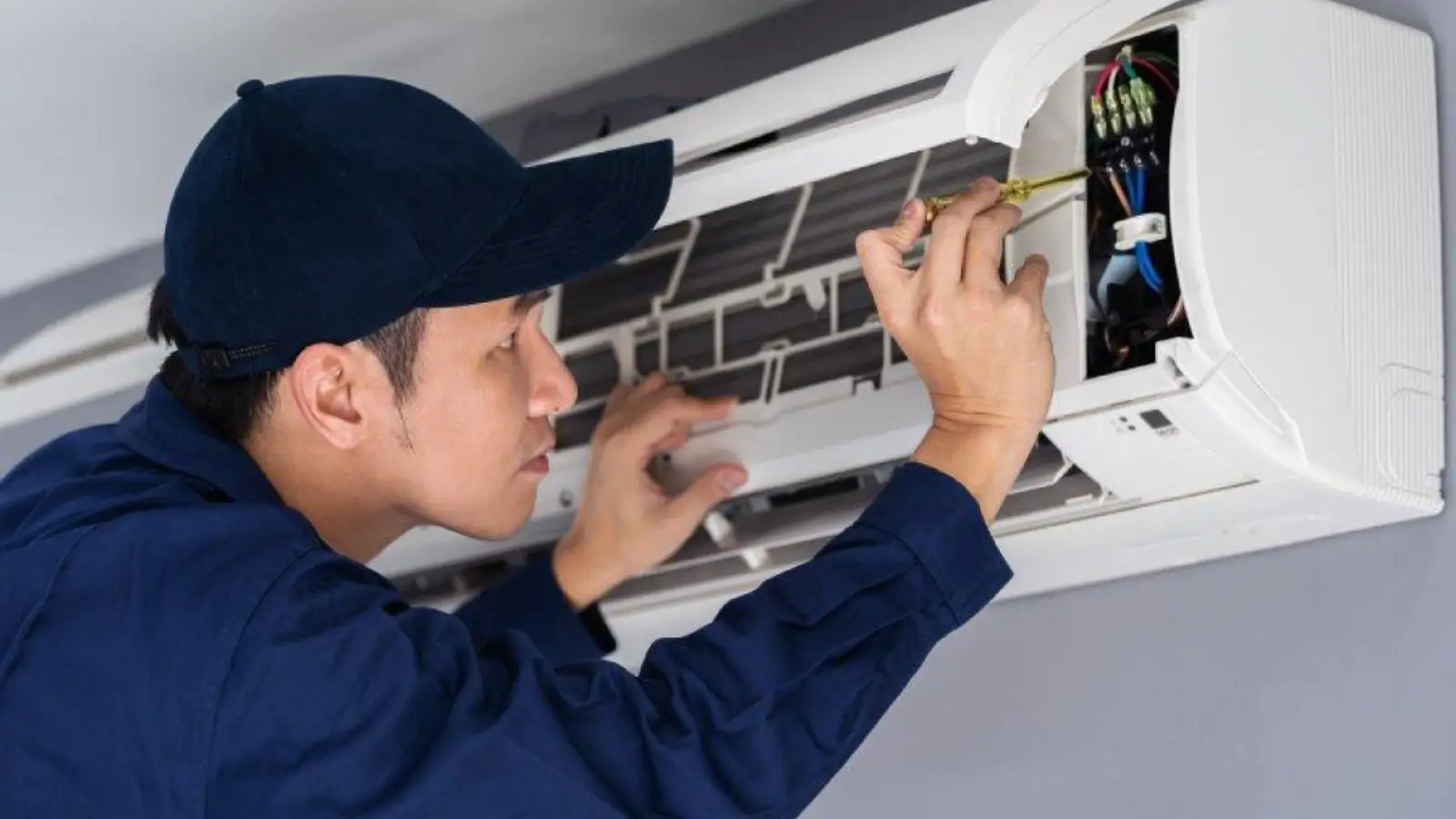
Proper maintenance and timely repairs of your air conditioning unit are critical for ensuring efficient and reliable operation, especially during peak cooling seasons. Whether you own a residential air conditioning system from Carrier Corporation or a commercial AC service contract with Trane Technologies, understanding how your cooling system functions and identifying common issues early can save you from costly HVAC service calls.
Understanding How Your Air Conditioner Works
At its core, an air conditioner is designed to transfer heat from indoors to outdoors, providing energy efficient cooling and improving indoor air quality. Whether your system is a central air conditioner from Lennox International Inc., a split system repair model by Daikin Industries, or a heat pump service unit from Mitsubishi Electric, the fundamental components are similar.
An air conditioning unit primarily consists of:
-
Evaporator Coil (Cooling Coil): Located inside the air handler or furnace, this is where the refrigerant absorbs heat from indoor air.
-
Compressor: Usually situated outside, this component pumps refrigerant through the system, compressing it to increase its pressure and temperature.
-
Condenser Coil: Releases heat from the refrigerant to the outdoor environment.
-
Expansion Valve: Regulates refrigerant flow into the evaporator coil.
-
Thermostat: Controls the system's operation by monitoring indoor temperature; accurate thermostat repair is crucial for consistent performance.
-
Air Filter and Ductwork: Ensures clean air circulation and maintains indoor air quality through regular duct cleaning and filter replacement.
Understanding these elements helps in diagnosing and carrying out routine cooling system maintenance tasks.
Diagnosing Common AC Issues: Noise, No Cooling, and Leakage
Certain problems frequently affect air conditioning units from brands like Goodman Manufacturing or Bryant Heating & Cooling Systems. Recognizing these issues is the first step in effective DIY repair:
1. Unusual Noises:
While some sound is normal, grinding, screeching, or banging noises often point to mechanical failures such as worn-out compressor components or fan motor issues, which may necessitate compressor replacement.
2. No Cooling or Insufficient Cooling:
If your central air repair system fails to cool your space adequately, possible causes include a refrigerant leak, dirty cooling coil, or thermostat malfunction. Low refrigerant levels drastically reduce system efficiency and can damage the compressor if left untreated.
3. Water Leakage:
Leaks around the air handler often result from clogged condensate drain lines or frozen evaporator coils. Condensate drain cleaning is an essential part of cooling system maintenance to avoid water damage and mold growth.
Step-by-Step DIY Fixes for Typical Air Conditioner Problems
1. Filter Replacement
Dirty filters restrict airflow, reduce efficiency, and affect indoor air quality. Regularly replacing or cleaning the air filter improves performance and prolongs the lifespan of the air conditioning unit. Most manufacturers, including Rheem Manufacturing Company and York International Corporation, recommend monthly inspections during heavy use.
2. Cleaning the Cooling Coil and Condensate Drain
Dust and dirt accumulation on the cooling coil reduce heat transfer efficiency. Gently cleaning these coils helps maintain energy efficient cooling. Additionally, flushing out the condensate drain with a mixture of vinegar and water prevents clogging.
3. Thermostat Repair and Calibration
An erratic thermostat can cause your system to cycle improperly or fail to maintain the desired temperature. Simple fixes include replacing batteries, recalibrating the thermostat, or upgrading to programmable models available from American Standard Heating & Air Conditioning.
4. Checking Refrigerant Levels and Detecting Leaks
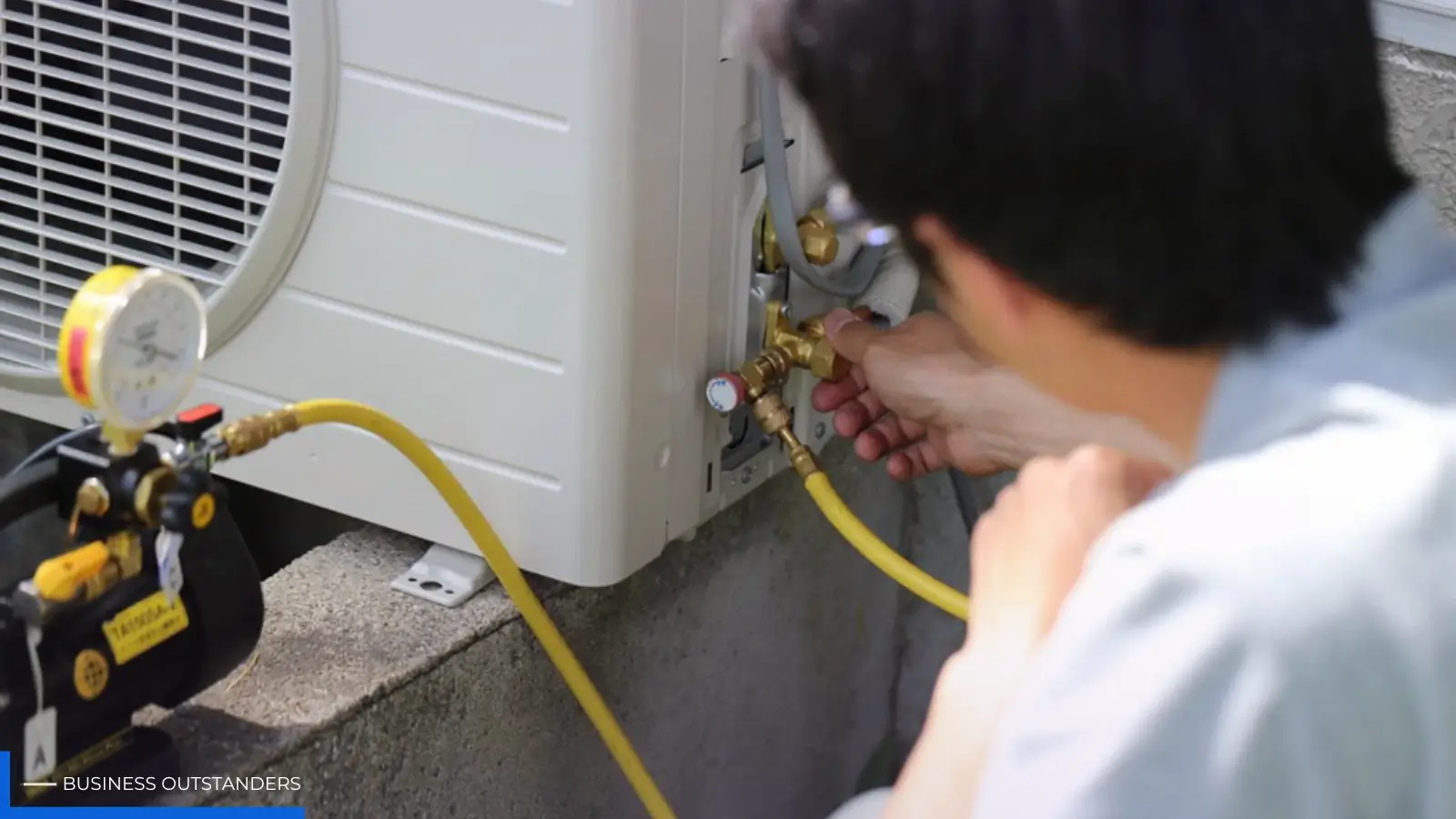
While handling refrigerant requires certification, you can check for leaks by observing oily residue near connections or listening for hissing sounds. If a refrigerant leak is suspected, scheduling an emergency AC repair with a professional HVAC technician is advised to avoid potential damage during compressor replacement.
5. Examining and Tightening Electrical Components
Loose or corroded wires can cause intermittent problems. Power down the system and inspect connections for corrosion or wear signs. If found, tighten or replace them carefully, ensuring safety standards are met. You can explore Professionair for more detailed insight.
Preventive Maintenance Tips to Keep Your AC Running Smoothly
Routine cooling system maintenance is vital to avoid premature failures and maintain optimal performance. Consumers appreciate preventive measures from leading brands like Bryant Heating & Cooling Systems and Daikin Industries, who emphasize tune-ups and inspections.
-
Schedule an AC tune-up at least annually to include compressor checks, refrigerant inspections, and thorough cleaning.
-
Perform regular duct cleaning to improve airflow and indoor air quality.
-
Ensure adequate clearance around outdoor condenser units from debris and vegetation.
-
Monitor the thermostat setting for efficient energy use, utilizing programmable or smart thermostats where possible.
Commercial property owners should consider periodic maintenance contracts with reputable HVAC service providers like Trane Technologies or Carrier Corporation to handle complex multi-zone systems effectively.
Business Outstanders brings you sharp insights on tech, business, entrepreneurship, law, crypto, and more. We uncover what’s next. Stay updated, sign up for our newsletter and be part of the future!